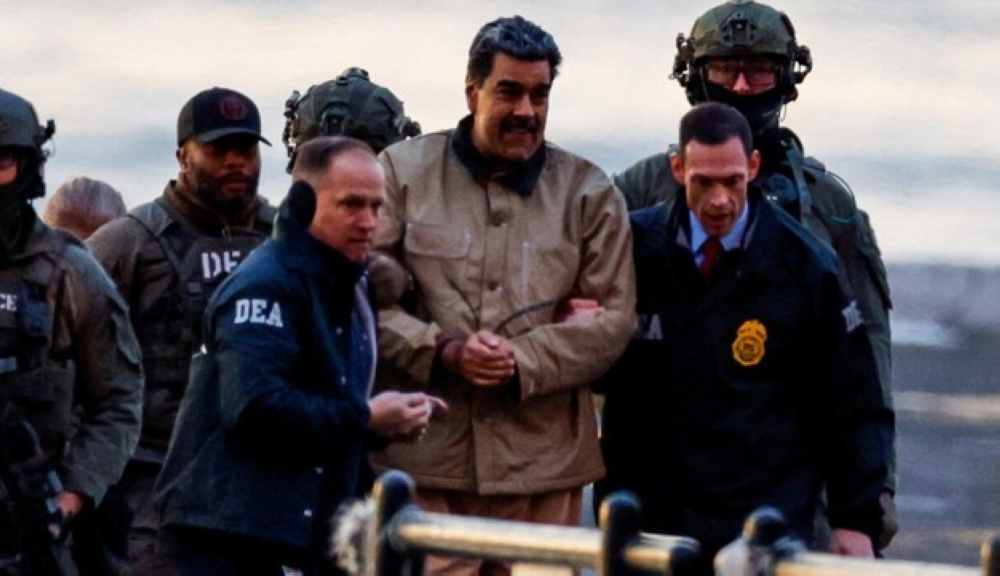
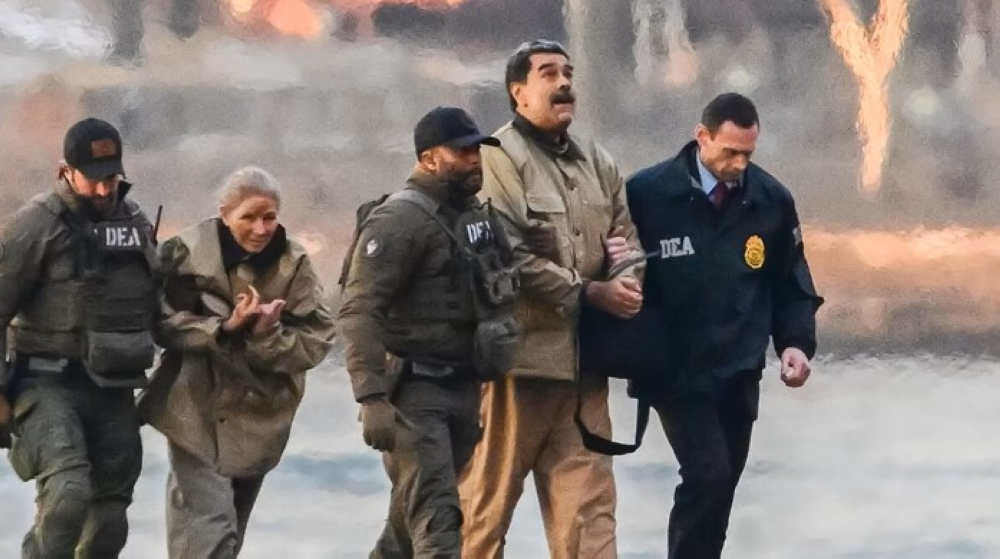
في سابقة تاريخية هزت الأوساط السياسية الدولية، مثل الرئيس الفنزويلي نيكولاس مادورو، يوم الإثنين، أمام محكمة فيدرالية في نيويورك، حيث دفع ببراءته من التهم الموجهة إليه والمتعلقة بـ "إرهاب المخدرات" وحيازة الأسلحة. وجاءت هذه الجلسة عقب عملية عسكرية أمريكية أفضت إلى توقيفه ونقله إلى الولايات المتحدة، في حدث يمثل منعطفاً حاداً في العلاقات الدولية وتاريخ أمريكا اللاتينية.
تفاصيل الجلسة الأولى والدفع بالبراءة
ووفقاً لما نقلته وسائل إعلام أمريكية من داخل قاعة المحكمة، وقف مادورو البالغ من العمر 63 عاماً ليعلن بصوت واضح: "أنا بريء، لست مذنباً". وأكد الرئيس الفنزويلي خلال الجلسة الإجرائية أنه لا يزال يعتبر نفسه الرئيس الشرعي لفنزويلا، مشيراً إلى أن عملية اعتقاله تمت داخل منزله في العاصمة كراكاس، مندداً بالطريقة التي نُفذت بها العملية العسكرية.
خلفيات الصراع والاتهامات الأمريكية
لا يعد هذا المثول وليد اللحظة، بل هو تتويج لسنوات من التوتر المتصاعد بين واشنطن وكراكاس. فقد سبق لوزارة العدل الأمريكية أن وجهت اتهامات رسمية لمادورو وعدد من كبار مساعديه بتحويل فنزويلا إلى دولة راعية للمخدرات، زاعمة تعاونه مع جماعات مسلحة لتهريب الكوكايين إلى الولايات المتحدة. وتنظر الإدارة الأمريكية إلى هذه المحاكمة كانتصار لسياسة الضغط الأقصى، بينما يرى أنصار مادورو أنها تدخل سافر في سيادة دولة مستقلة ومحاولة لتغيير النظام بالقوة.
إجراءات أمنية مشددة وقاضٍ بملف مثير
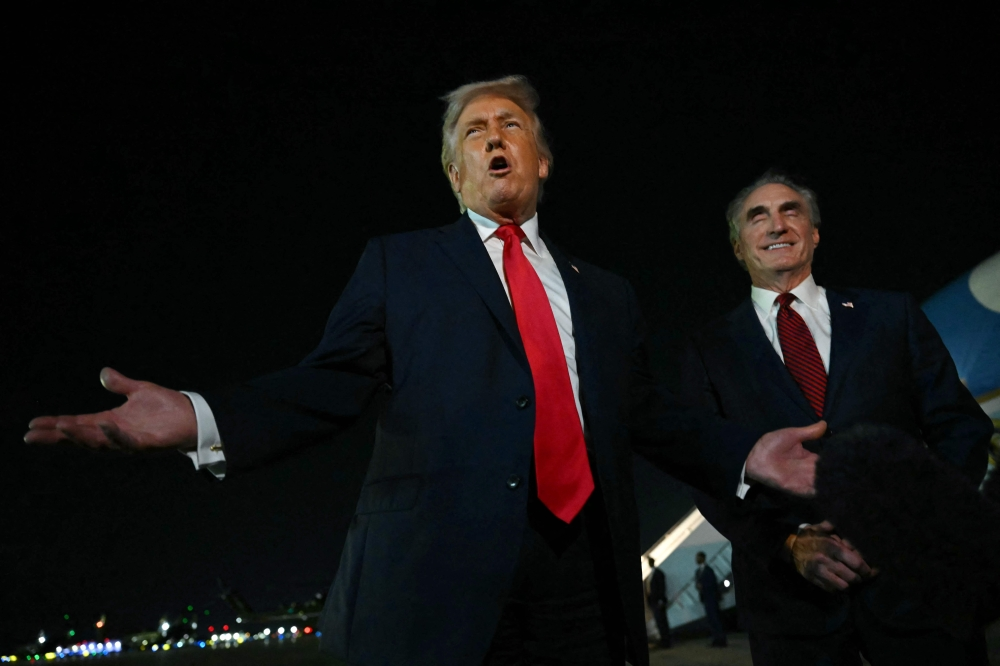
شهدت المحكمة إجراءات أمنية غير مسبوقة، حيث منعت السلطات الأمريكية البث المباشر لوقائع الجلسة، واكتفت بالسماح لعدد محدود من الصحفيين بالحضور. ومن المفارقات اللافتة في هذه القضية، اختيار إدارة الرئيس دونالد ترامب لقاضٍ متقاعد يبلغ من العمر 92 عاماً لتولي محاكمة مادورو. والمثير للجدل أن هذا القاضي نفسه سبق له إصدار أحكام قضائية ضد ترامب في قضايا سابقة، مما يضفي طابعاً من التعقيد والترقب حول مسار العدالة في هذه القضية الحساسة.
التداعيات المتوقعة: فراغ السلطة وأسواق الطاقة
يثير اعتقال ومحاكمة رئيس دولة وهو لا يزال في منصبه مخاوف جدية من حدوث فراغ في السلطة داخل فنزويلا، التي تمتلك أكبر احتياطي نفطي في العالم. يتوقع المحللون أن يؤدي هذا الحدث إلى:
- اضطرابات داخلية: احتمال تصاعد الصراع بين أنصار الحزب الاشتراكي الموحد والمعارضة الفنزويلية للسيطرة على القصر الرئاسي.
- تأثيرات اقتصادية: قد تشهد أسواق النفط العالمية تذبذباً ملحوظاً نظراً للغموض الذي يكتنف مستقبل قطاع الطاقة الفنزويلي، خاصة مع العقوبات القائمة.
- ردود فعل دولية: من المرجح أن تثير العملية حفيظة حلفاء مادورو الدوليين، وتحديداً روسيا والصين، مما قد يؤدي إلى توترات دبلوماسية جديدة في مجلس الأمن الدولي.
وبينما تستمر الإجراءات القانونية في نيويورك، تظل الأنظار موجهة نحو كراكاس لمعرفة من سيمسك بزمام الأمور في ظل هذا الزلزال السياسي الذي قد يعيد رسم خريطة التحالفات في أمريكا الجنوبية.