في تطورات متسارعة للمشهد الفنزويلي عقب العملية العسكرية الأخيرة، وجهت السلطات الأمريكية، يوم السبت، تحذيراً شديد اللهجة لرعاياها المتواجدين في فنزويلا، داعية إياهم إلى المغادرة "فوراً". وبررت واشنطن هذا الإجراء بأن الوضع الأمني في البلاد بات "غير مستقر" ويشهد تقلبات خطيرة، وذلك بالتزامن مع خروج أول تصريح للرئيس الفنزويلي المخلوع، نيكولاس مادورو، من محبسه في الولايات المتحدة.
رسالة طمأنة من سجن نيويورك
بعد مرور أسبوع على اعتقاله في عملية نوعية، كسر نيكولاس مادورو حاجز الصمت من داخل زنزانته في نيويورك. ونقل الحزب الحاكم في فنزويلا مقطع فيديو لنجل مادورو، ينقل فيه رسالة مقتضبة من والده قال فيها: "نحن بخير.. نحن مقاتلون". وتأتي هذه الرسالة في محاولة لرفع معنويات أنصاره الذين أصيبوا بصدمة عقب الأحداث الأخيرة.
ويقبع مادورو وزوجته سيليا فلوريس حالياً في السجن الفيدرالي ببروكلين، وذلك منذ مثولهما أمام القضاء الأمريكي يوم الإثنين الماضي. وقد دفع الزوجان ببراءتهما من لائحة الاتهامات الثقيلة الموجهة إليهما، والتي تتصدرها تهمة "الاتجار بالمخدرات"، في انتظار الجلسة القضائية المقبلة المقررة في 17 مارس القادم.
تفاصيل العملية العسكرية وتداعياتها
كانت عملية اعتقال مادورو قد تمت عبر إنزال للقوات الخاصة الأمريكية ترافقت مع ضربات جوية مكثفة على العاصمة كراكاس. ووفقاً للإحصائيات الصادرة عن السلطات الفنزويلية، فقد أسفرت هذه العملية عن مقتل ما لا يقل عن 100 شخص، مما زاد من حدة الاحتقان في الشارع الفنزويلي.
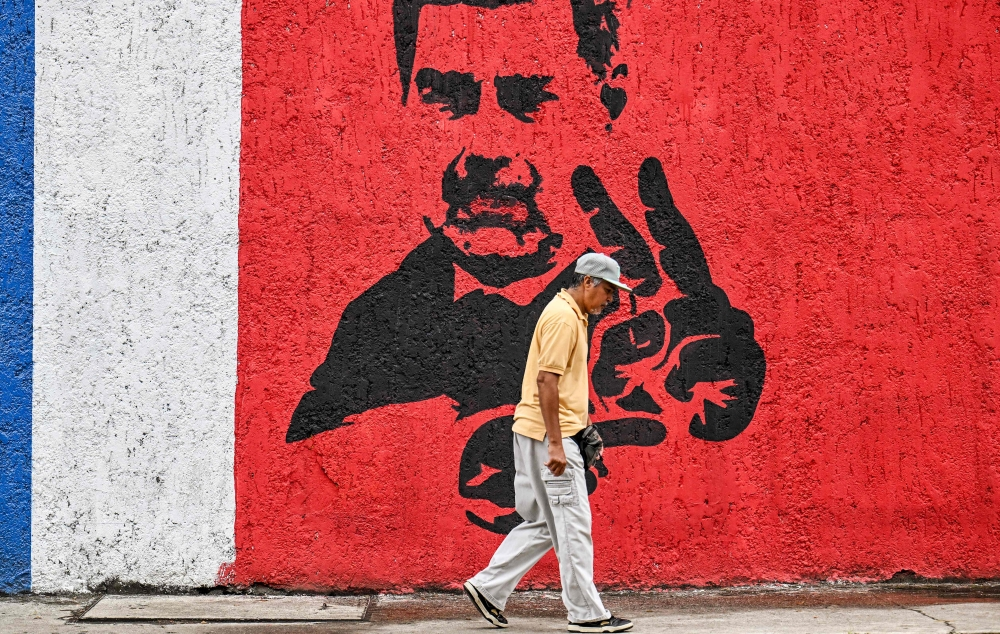
وفي سياق ردود الفعل الداخلية، شهدت شوارع كراكاس تظاهرات ضمت نحو ألف شخص من المؤيدين للتيار التشافي، رافعين لافتات تطالب بعودة مادورو وزوجته، وهتفوا بشعارات مثل "مادورو وسيليا هما عائلتنا". وعلى الرغم من الدعوات المستمرة للتظاهر يومياً منذ العملية التي جرت في 3 يناير، إلا أن الحشود لم تكن بالكثافة المتوقعة، وغابت القيادات البارزة للحزب الاشتراكي الموحد عن المشهد الميداني.
خلفيات الصراع والتوتر التاريخي
لا يمكن فصل هذا الحدث عن السياق التاريخي المتوتر للعلاقات الأمريكية الفنزويلية. فلطالما اعتبرت واشنطن نظام مادورو "نظاماً غير شرعي"، خاصة بعد انتخابات 2024 التي وصفتها المعارضة والمجتمع الدولي بالمزورة. وقد فرضت الولايات المتحدة على مدار سنوات عقوبات اقتصادية خانقة على قطاع النفط الفنزويلي وشخصيات حكومية بارزة، متهمة النظام بتحويل فنزويلا إلى ملاذ آمن للجريمة المنظمة وتجارة المخدرات العابرة للحدود.
مستقبل غامض وفراغ في السلطة
يضع اعتقال رأس السلطة في فنزويلا البلاد أمام مفترق طرق خطير. فمن جهة، تحاول الرئيسة بالوكالة، ديلسي رودريغيز، ملء الفراغ السياسي وتماسك الجبهة الداخلية، حيث صرحت خلال زيارة لمعرض زراعي: "لن نهدأ لحظة واحدة حتى يعود الرئيس. سننقذه، بالطبع سنفعل". ومن جهة أخرى، يرى مراقبون أن غياب مادورو قد يؤدي إلى صراعات أجنحة داخل الحزب الحاكم أو يفتح الباب أمام المعارضة لاستعادة المشهد السياسي بدعم دولي، مما يجعل الأيام المقبلة حاسمة في تحديد مصير الدولة اللاتينية الغنية بالنفط.