Philippe Diallo, president of the French Football Federation, sparked widespread controversy and numerous speculations in sporting circles following his recent statements regarding the identity of the next French national team coach who will succeed current coach Didier Deschamps after the 2026 World Cup. These statements came during an exclusive interview Diallo gave to the French newspaper Le Figaro, opening the door to many questions about the future of the French national team's coaching staff.
Diallo's statements regarding the identity of the next French national team coach
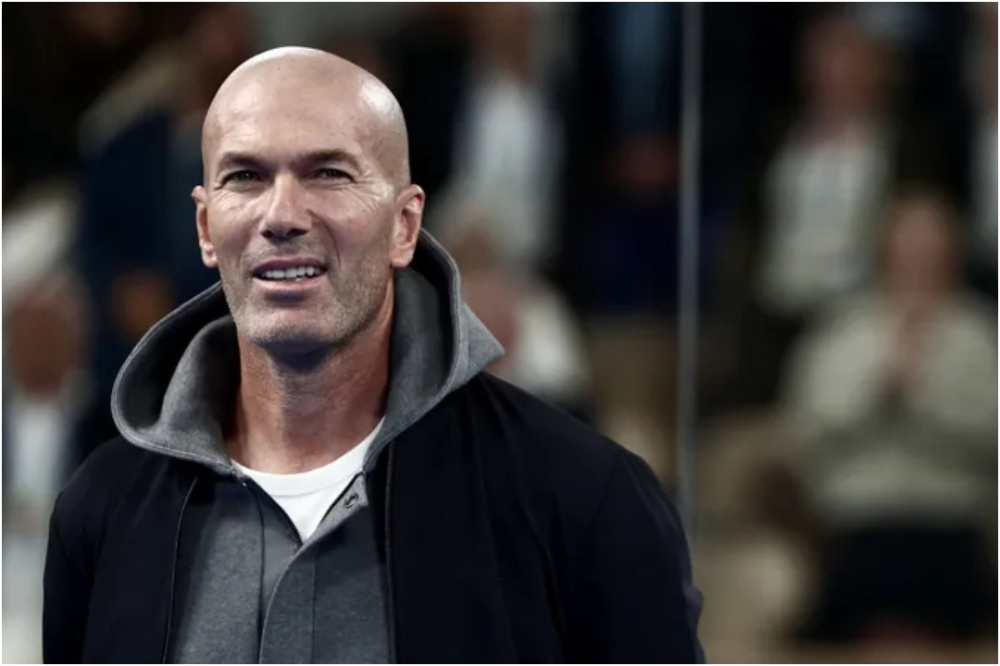
In response to a direct question from the newspaper about whether he knew the name of the next French national team coach , Diallo confidently replied, “Yes, I know his name,” but he refused to reveal it at this time. When the newspaper pressed him to find out if the coach was the legendary Zinedine Zidane, considered the favorite and most popular candidate to succeed Deschamps, Diallo dodged the question with a cryptic smile, saying, “I invite you to meet us after the World Cup,” thus confirming his desire to postpone the official announcement until after the tournament.
Diallo revealed further details, indicating that he had received “fewer than five applications, all from French candidates” for the sensitive position. He outlined the essential qualities of the prospective coach, emphasizing that he would be tasked with “leading one of the biggest national teams in the world.” He added: “The candidate must possess multiple attributes and also be accepted by the French people, because the French national football team is their national team. A strong relationship must be built between the coach and the fans, something Deschamps successfully achieved during his fourteen-year tenure, and his successor must do the same.”.
Deschamps' historical legacy and the transitional phase
To understand the significance of this anticipated change, one must consider the historical context of the French national team under Didier Deschamps. Since taking charge in 2012, Deschamps has successfully rebuilt the French team, transforming it into a formidable force on the world stage. He led his country to victory in the 2018 World Cup in Russia, the 2021 UEFA Nations League title, and reached the finals of both Euro 2016 and the 2022 World Cup. This impressive legacy makes the selection of his successor a highly sensitive strategic decision, as the new coach will be tasked with maintaining this exceptional level of competitiveness.
The expected impact of the new technical leadership internationally
The impact of a coaching change extends far beyond the French domestic scene, resonating widely at both the regional and international levels. If a figure of Zinedine Zidane's stature, with his charisma and illustrious history of achievements with Real Madrid (including a historic three Champions League titles), were to take the helm, it would undoubtedly generate unprecedented media and public interest. Furthermore, this change could influence the national team's playing style and the way its star players are utilized, consequently impacting the balance of power in upcoming European and global tournaments.
Preparations for the "Roosters" and upcoming friendly matches
On the field preparation front, Didier Deschamps and his players will travel to the United States for two high-profile friendlies: the first against Brazil on March 26, and the second against Colombia on March 29. The team will also play two more friendlies on French soil, facing Ivory Coast in Nantes on June 4, and then an opponent yet to be determined in Lille on June 8.
Among these important dates, Deschamps is scheduled to announce the final squad for the 2026 World Cup on May 13. The French national team faces tough group stage matches, having been drawn against Senegal, a team that will qualify through the intercontinental play-offs, and finally Norway. In this journey, "Les Bleus" will be looking to write a new chapter of footballing glory before the start of a new era.