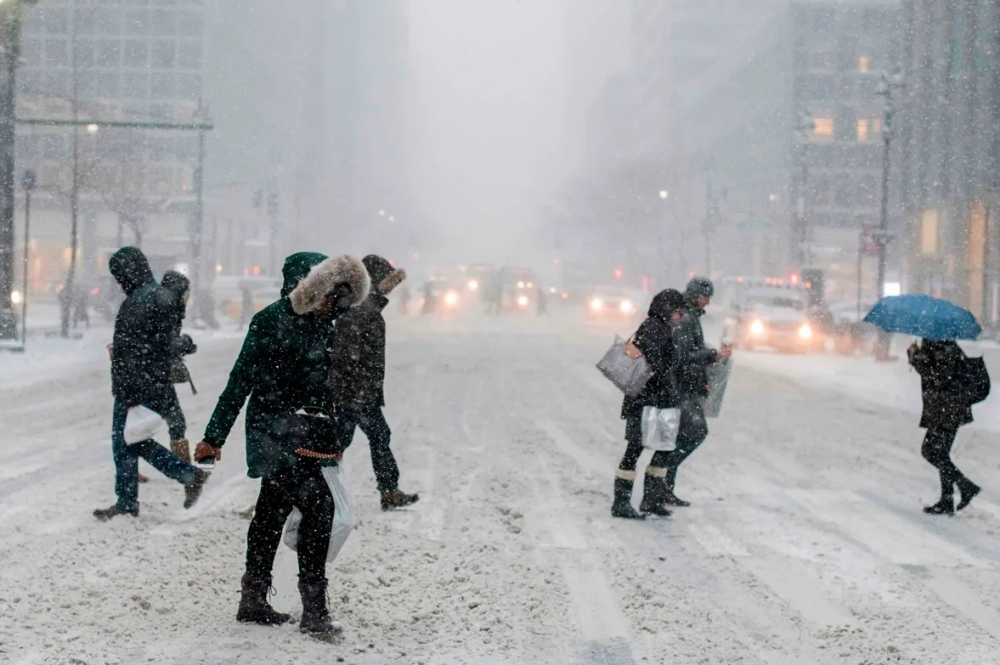
Authorities in New York City announced on Monday that 13 deaths from hypothermia have been confirmed amid a severe cold wave that has gripped the city and large parts of the United States since January. This tragedy underscores the humanitarian and logistical challenges faced by major cities in dealing with extreme weather events.
In a press statement, New York City Mayor Eric Adams explained that the city is experiencing one of the longest continuous periods of sub-zero temperatures (-32 degrees Fahrenheit) in its recorded history. He noted that the total number of deaths during this period has reached 16, with 13 believed to have died as a direct result of the extreme cold, while the other three cases were linked to drug overdoses, which the freezing temperatures may have exacerbated. Adams confirmed that none of the victims were living in a tent on the street at the time of their deaths, but some had been in contact with city shelter services.
General context: Polar storms and climate change
This extreme cold snap, which affected not only New York but also large swaths of the northeastern and midwestern United States, is attributed to a phenomenon known as the Arctic blast. This occurs when the jet streams surrounding the Arctic weaken, allowing icy air to flow south into regions unaccustomed to such drastic temperature drops. Many climate scientists link the increasing frequency and intensity of these events to global climate change, as the warming Arctic disrupts historically stable weather patterns.
The importance of the event and its expected impact
At the local level, this crisis is placing immense strain on municipal resources. In addition to the loss of life, the city is facing infrastructure challenges such as frozen pipes and disruptions to public transportation, as well as increased demand for emergency services and shelters. The city administration has responded by activating its emergency plans. Mayor Adams stated, “We have set up heating centers and deployed a fleet of 20 vehicles staffed with healthcare professionals to provide assistance to the homeless.” He added that more than 930 shelters have been provided and 18 people have been forcibly relocated to shelters because they posed a danger to themselves. Regionally and internationally, these events highlight the growing vulnerability of major urban centers to extreme weather events and underscore the urgent need for global adaptation strategies to address the impacts of climate change, which are no longer mere future projections but a tangible reality affecting the lives of millions.