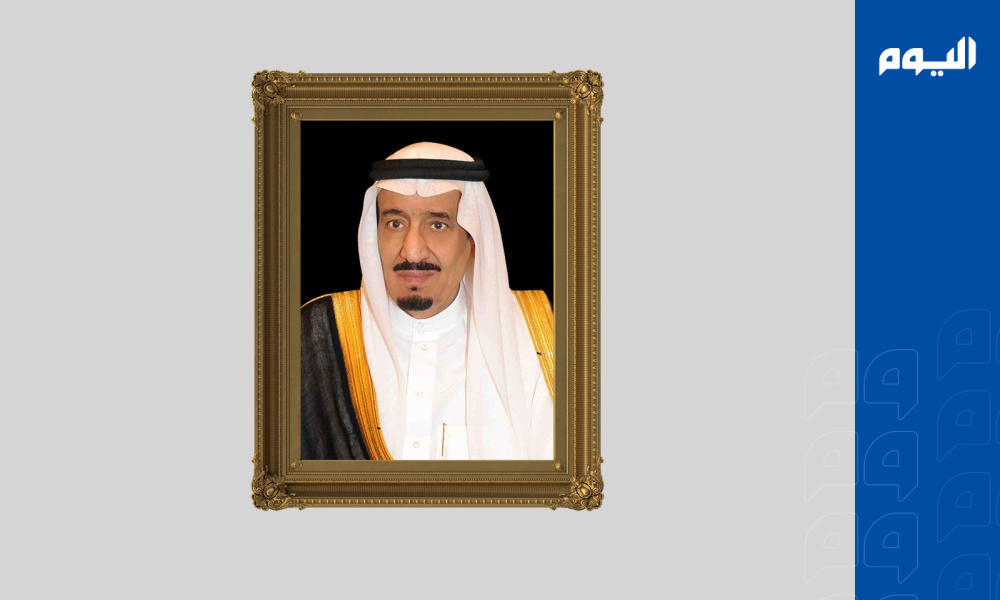
New royal decrees issued by the Custodian of the Two Holy Mosques
A series of royal decrees were issued today by the Custodian of the Two Holy Mosques, King Salman bin Abdulaziz Al Saud, which constitute the highest executive and legislative authority in the Kingdom of Saudi Arabia. These decrees come within the framework of the ongoing development and modernization process the country is witnessing, as royal decrees represent a pivotal point in shaping policies, directing the course of government administration, and appointing senior officials in key positions within the state.
Historical context and constitutional significance of royal decrees
Royal decrees derive their power and importance from the Basic Law of Governance in the Kingdom, serving as the primary instrument through which the King exercises his executive and regulatory powers. Historically, these decrees have marked pivotal turning points in the development of the Saudi state, from the establishment of ministries and government agencies to the enactment of regulations and laws, culminating in the launch of major strategic projects. They are not merely administrative decisions, but rather embodiments of the state's will and overarching directives, and are used to effect fundamental changes, including the appointment of ministers, regional governors, and senior military commanders, as well as the approval of the state budget and the ratification of international agreements.
Local impact and alignment with Vision 2030
Domestically, royal decrees have a direct and profound impact. These decisions are often closely linked to the goals of Saudi Vision 2030, spearheaded by Crown Prince Mohammed bin Salman. The decrees accelerate economic and social reforms by restructuring government agencies to enhance their efficiency or establishing new specialized bodies in promising sectors such as tourism, entertainment, and culture. New appointments to leadership positions aim to inject fresh perspectives and revitalize administrative thinking to meet the demands of the next phase. The impact of these decrees is directly felt by citizens through improved government services, the creation of new job opportunities, and a more attractive investment environment that draws both domestic and foreign capital.
The regional and international importance of sovereign decisions
The impact of royal decrees extends beyond domestic affairs to the regional and international arenas. Saudi Arabia, with its political and economic weight as the world's largest oil exporter and a member of the G20, makes its sovereign decisions a matter of global interest and scrutiny. Any changes in key ministerial positions, such as those of foreign affairs, energy, or defense, are carefully analyzed by governments and international institutions to understand the future direction of Saudi policy. For example, a decision concerning the energy sector could affect the stability of global oil markets, and appointments to diplomatic posts may signal shifts in alliances and regional relations, making these decrees a significant indicator for policymakers and investors worldwide.