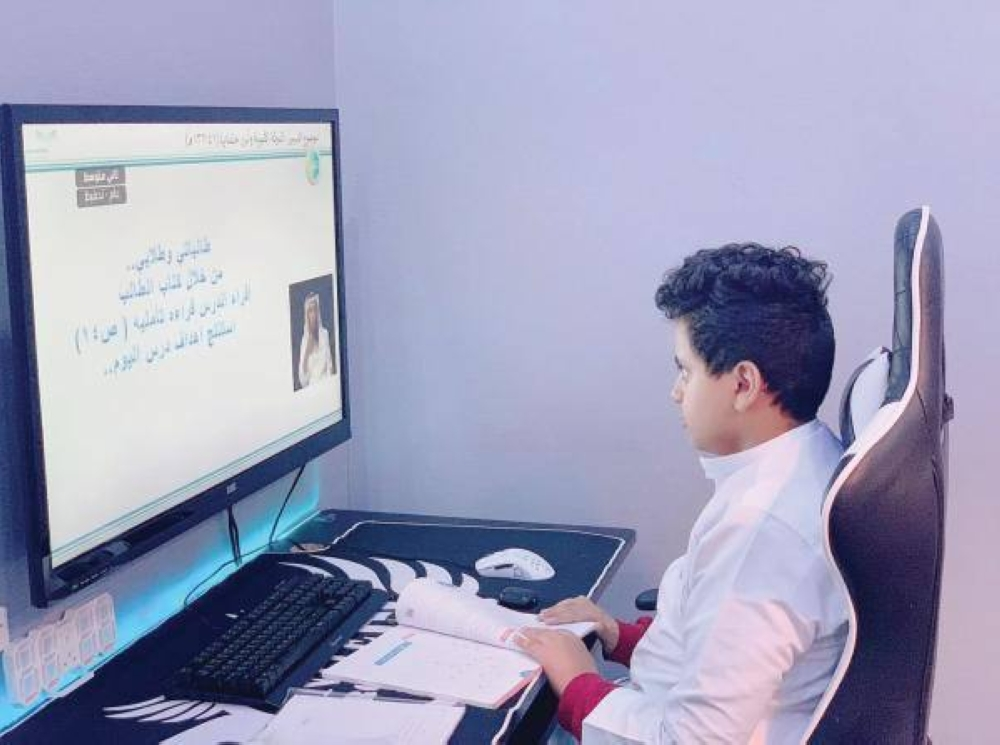
في خطوة تهدف إلى تعزيز نزاهة العملية التعليمية وضمان تكافؤ الفرص بين الطلاب، أقرت وزارة التعليم في المملكة العربية السعودية بروتوكولاً تقنياً وتنظيمياً جديداً ومشدداً لضبط آليات "الاختبارات الإلكترونية عن بُعد". وتأتي هذه الإجراءات ضمن الدليل العام للعام الدراسي 1447 هـ – 2025م، مستهدفة الطلاب من ذوي الظروف الخاصة الذين تحول ظروفهم دون الحضور الفعلي للمدارس.
سياق التحول الرقمي وضمان الجودة
تأتي هذه الخطوة استكمالاً لمسيرة التحول الرقمي التي شهدتها المنظومة التعليمية في المملكة خلال السنوات الأخيرة، حيث تسعى الوزارة إلى سد الفجوة بين البيئة المدرسية والمنزلية. ولم يعد التعليم عن بعد مجرد خيار طارئ، بل أصبح مساراً تعليمياً يتطلب معايير جودة توازي التعليم الحضوري. وتهدف هذه الضوابط الجديدة إلى الحفاظ على مصداقية الشهادات العلمية ومخرجات التعليم، وضمان أن تكون الدرجات الممنوحة تعكس بصدق المستوى التحصيلي للطالب دون أي مؤثرات خارجية.
بيئة اختبارية منضبطة ورقابة رقمية
وحددت اللائحة الجديدة معايير دقيقة لبيئة الاختبار المنزلي، حيث ألزمت الطالب بتوفير مكان منعزل يتسم بالهدوء التام، مع إضاءة كافية ومستمرة، وخلو المحيط من أي أجهزة إلكترونية إضافية أو أشخاص قد يثير تواجدهم الشبهات. وفرضت الوزارة تشغيلاً إلزامياً للكاميرا والميكروفون طوال فترة الاختبار دون انقطاع، مشترطة توجيه النظر حصرياً لشاشة الاختبار والالتزام بالصمت المطبق لتفادي رصد أي سلوكيات قد تُصنف كمحاولة للغش.
التحقق من الهوية والزي الرسمي
لضمان أقصى درجات الأمان، استوجب البروتوكول إبراز الهوية الوطنية أو البطاقة التعريفية أمام الكاميرا بوضوح قبل البدء للتحقق الرقمي من شخصية الطالب. كما ألزمت التعليمات الطلاب بإجراء مسح مرئي شامل (360 درجة) لمكان الجلوس والمحيط عبر الكاميرا عند بداية الجلسة، لتقديم إثبات فوري بخلو الموقع من أي وسائل مساعدة غير نظامية.
ومن أبرز الشروط التي نصت عليها اللائحة، ضرورة الالتزام بارتداء "الزي الرسمي" أثناء البث المباشر للاختبار. ويحمل هذا الشرط دلالات تربوية ونفسية هامة، حيث يساهم في استشعار الطالب لجدية الموقف التعليمي واحترام قدسية الاختبار، مما يعزز من الانضباط الذاتي حتى خارج أسوار المدرسة.
التعامل مع الأعطال التقنية
وفيما يخص الجانب التقني، وضعت الوزارة حلولاً مرنة لضمان حقوق الطلاب؛ حيث منحت اللائحة المعلمين صلاحية استثنائية للسماح للطالب بتكرار الدخول للاختبار في حال واجه انقطاعاً فنياً طارئاً خلال النصف الأول من الوقت المحدد. كما وجهت إدارات المدارس بتحديد مواعيد بديلة عاجلة عند حدوث أعطال تقنية عامة، مع إمكانية تعويض الطالب المتأخر تقنياً بوقت إضافي، أو إحالة حالته للجنة الاختبارات الطارئة لاعتباره غياباً بعذر في حال تعذر استكمال الاختبار.