The General Authority for the Care of the Two Holy Mosques announced the launch of a modern and innovative mechanism for organizing the Iftar (breaking the fast) program for worshippers at the Two Holy Mosques during the holy month of Ramadan. This strategic step comes in close cooperation with the national platform for charitable work, "Ihsan," and the "Nusk" Foundation, as part of the Kingdom of Saudi Arabia's efforts to digitize services provided to pilgrims and ensure the highest standards of governance and transparency.
Digital registration and payment mechanism
The authority explained that the new mechanism relies entirely on technology to ensure streamlined procedures and data accuracy. The process begins with individuals or non-profit organizations wishing to provide breakfast services registering their information through the authority's official website. Following initial approval, the applicant is directed to pay the allocated amount for the meal via the trusted "Ihsan" platform. Once payment is complete, the procedures are finalized, the final permit is issued, and the donor receives an immediate notification confirming the acceptance and documentation of their contribution.
The historical and spiritual dimension of breakfast tables
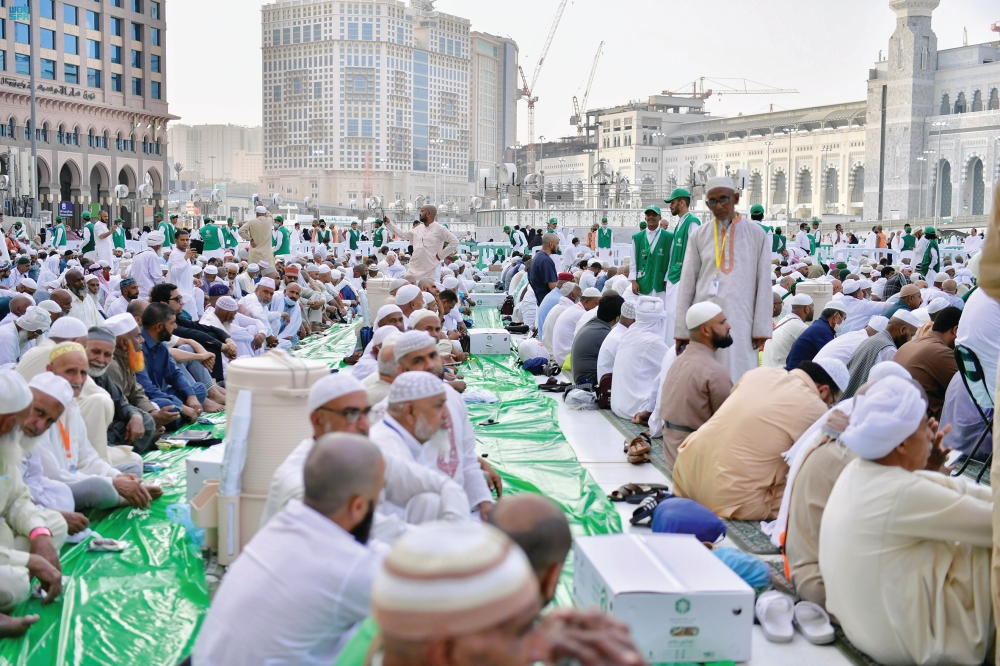
The iftar meals at the Two Holy Mosques are a deeply rooted Islamic tradition and a cultural phenomenon that is renewed annually. Travel extends for long distances within the courtyards and halls of the Grand Mosque in Mecca and the Prophet's Mosque in Medina, bringing together millions of Muslims from around the world to share a single meal. Historically, these meals were managed through traditional individual and community efforts. However, the millions-strong increase in the number of pilgrims and visitors necessitated a significant shift in management methods to ensure the smooth flow of movement and maintain the cleanliness and sanctity of the holy sites—a goal achieved through the new system.
The importance of the partnership with "Ihsan" and "Nusk"
This tripartite collaboration represents a model of integration between government entities and national digital platforms, and it has multiple dimensions and impacts:
- Enhancing transparency and reliability: Payment through "Ihsan" ensures that donations reach their correct recipients, and cuts off the path to irregular or random cash donations, thus enhancing the confidence of donors from inside and outside the Kingdom.
- Improving the visitor experience: The “Nusk” platform contributes to organizing the operational aspect, which positively impacts the comfort of worshippers and pilgrims, and reduces overcrowding and randomness during Iftar time.
- Sustainability and quality: The new mechanism ensures the provision of meals that are subject to strict health controls, which raises the quality of food provided and reduces food waste, thus achieving a sustainable social and environmental impact.
This initiative is consistent with the goals of the Kingdom’s Vision 2030 in serving the guests of God, and harnessing technology to provide an accessible and safe spiritual experience, reflecting the honorable image of the Kingdom in serving the Two Holy Mosques and their visitors.