The arrival of the Crew-12 mission follows an unprecedented event
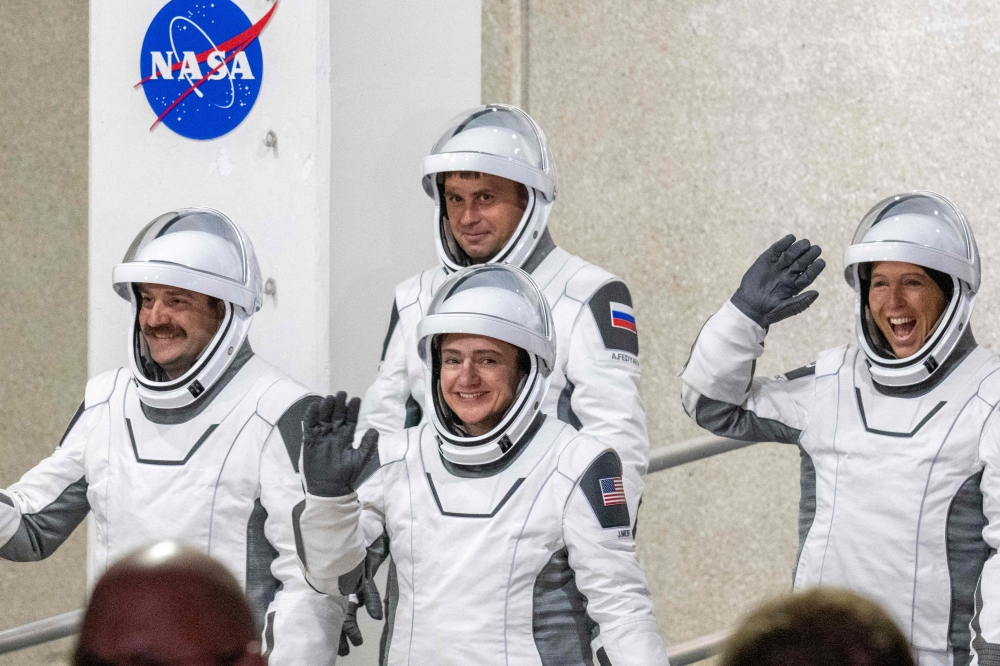
In a new development that underscores the continuity of scientific missions in space, four astronauts of different nationalities arrived at the International Space Station on Saturday as part of NASA's Crew-12 mission. This crew replaced a previous crew that had to return to Earth early due to a medical emergency involving one of its members, marking the first medical evacuation in the station's more than two decades of operation. The mission launched from Cape Canaveral in Florida aboard a SpaceX Falcon 9 rocket, and after a journey of approximately 34 hours, the capsule successfully docked with the orbiting laboratory, beginning a scientific mission scheduled to last several months.
International Space Station: A symbol of international cooperation and a beacon of science
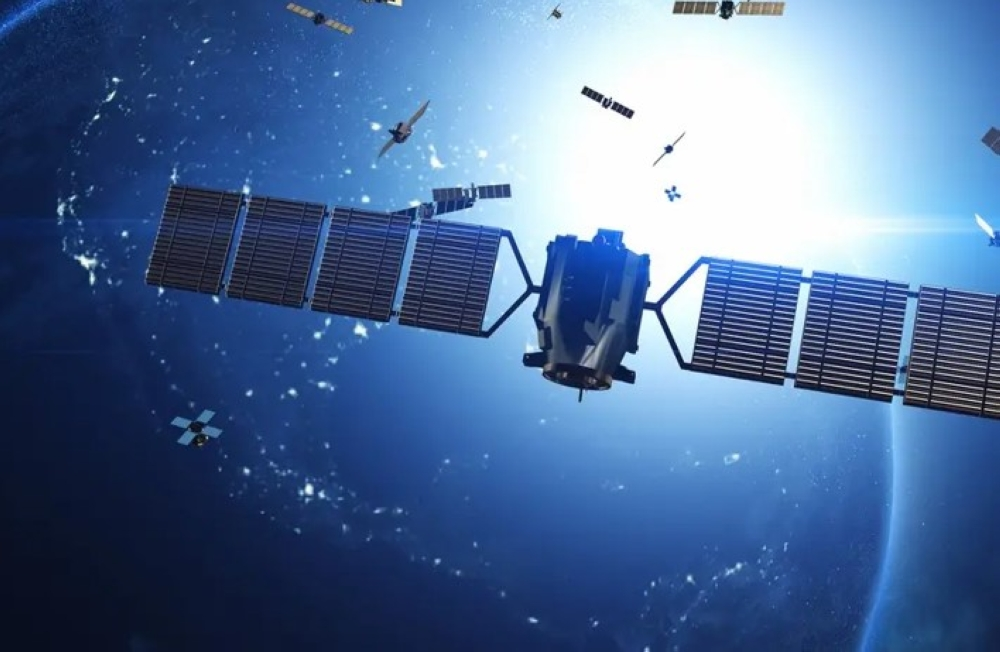
Orbiting Earth at an altitude of approximately 400 kilometers, the International Space Station (ISS) is the largest international scientific and engineering project in history. Began as a symbol of post-Cold War cooperation, it is operated by five major space agencies: NASA (United States), Roscosmos (Russia), the European Space Agency (ESA), the Japan Aerospace Exploration Agency (JAXA), and the Canadian Space Agency (CSA). Since November 2000, the station has never been without a human presence, making it a unique platform for conducting research impossible on Earth, particularly research related to the effects of microgravity on biological and physical systems.
The importance of the task and its scientific impact
The new crew, comprising American Jessica Meir (mission commander), American Jack Hathaway, French Sophie Adenauer, and Russian Andrey Fedyaev, is tasked with completing and conducting hundreds of scientific experiments. Their research will focus heavily on studying the effects of long-term spaceflight on the human body, which is vital for the success of ambitious future missions to explore the Moon and Mars. Among the planned experiments, French astronaut Sophie Adenauer will test a sophisticated system that uses artificial intelligence and augmented reality to enable astronauts to perform self-administered medical examinations using ultrasound, enhancing their medical independence on long-duration spaceflights. Jessica Meir said upon arrival: “We have linked the legacy of more than 25 years of continuous human presence in space to this very spot. When we look back at Earth from these windows, we are reminded that collaboration is not only possible, but essential.”.
Healthcare challenges in space
The previous medical evacuation highlighted the complex logistical and medical challenges of spaceflight. While the incident was alarming, the successful and rapid return of the crew demonstrated the effectiveness of emergency protocols and provided valuable lessons for the future. The ability to manage medical emergencies is a cornerstone of planning for any sustainable human presence beyond Earth, and these events underscore the importance of ongoing research aboard the station to develop innovative medical solutions.