The clash between continents returns: The Intercontinental Cup in its new format
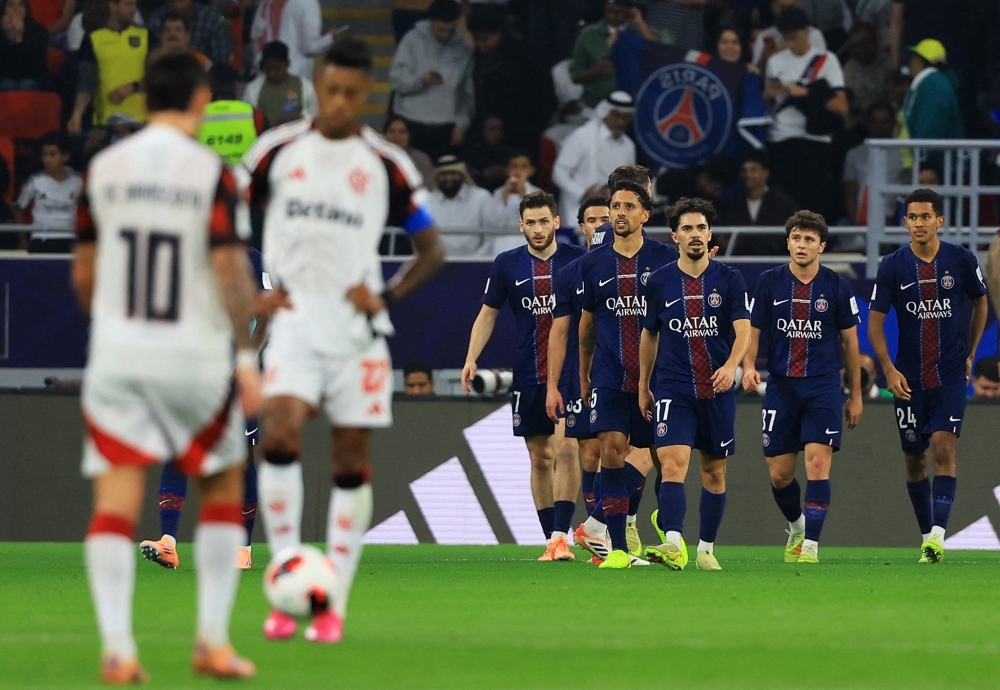
In the world of football, clashes between the champions of Europe and South America hold a special place, representing a historic struggle for global club supremacy. This competitive spirit is returning with a vengeance following FIFA's announcement of the relaunch of the Intercontinental Cup (the Confederations Cup) with a new and exciting format starting in 2024. This decision evokes memories of classic encounters and opens the door to potential future clashes between giants like Paris Saint-Germain of France and Flamengo of Brazil, the two poles of their respective continents.
Historical background: From the Toyota Cup to the world
The idea of a world club champion wasn't a recent one. The original Intercontinental Cup was launched in 1960, annually pitting the UEFA Champions League winner against the Copa Libertadores champion. The tournament went by various names, most notably the "Toyota Cup" during its long sponsorship period, and was held in Japan. This competition represented a dream for the biggest clubs in both continents and featured memorable matches that remain etched in the memories of fans. However, the tournament, in its original format, was discontinued in 2004, replaced by the FIFA Club World Cup, which included the champions of all continents, thus altering the dynamics of the direct rivalry between Europe and South America.
The importance of the new tournament and its expected impact
The revival of the Intercontinental Cup aims to enhance the value of continental titles and create a prestigious annual tournament. The new format will feature qualifying rounds between the champions of Asia, Africa, and Oceania, with the winner facing the South American champion (Copa Libertadores). The ultimate winner will then face the UEFA Champions League winner in the final. This system guarantees a clash between the best club in Europe and the champion of the rest of the world, restoring the tournament's historical prestige.
Globally, the tournament raises the bar for competition and provides a new platform for clubs to prove their superiority. Regionally, it gives clubs outside Europe a greater opportunity to shine and reach the coveted final. For clubs like Paris Saint-Germain, who strongly aspire to win the UEFA Champions League, winning the Intercontinental Cup would be the culmination of their sporting project and a confirmation of their global dominance. Conversely, a club as prestigious as Flamengo, with its rich history in the Copa Libertadores, sees this tournament as an opportunity to restore the glory of Brazilian and Latin American football on the international stage.