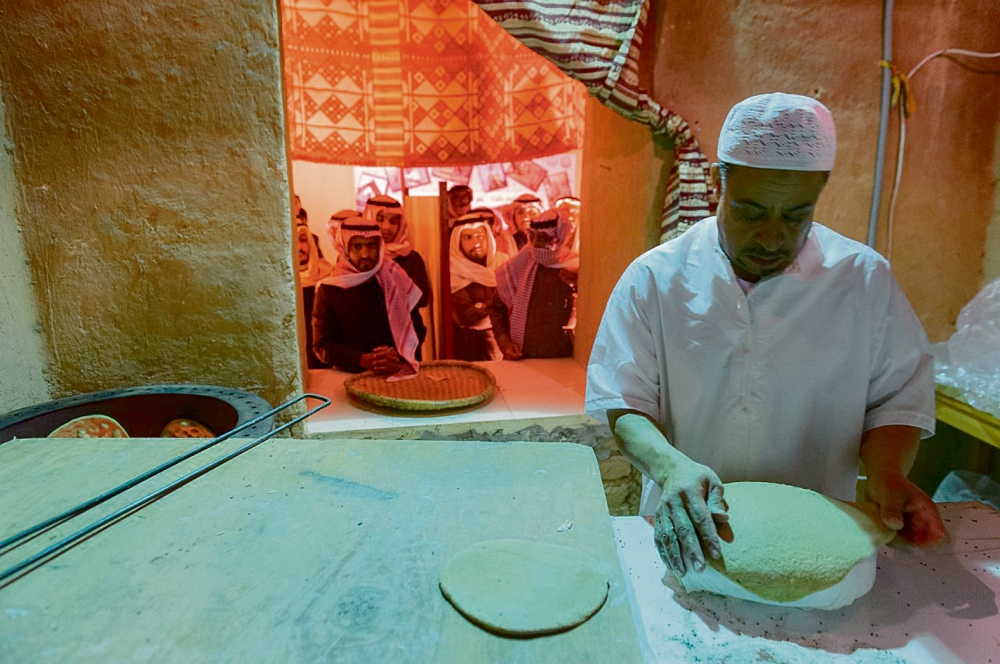
In a move aimed at transforming the food and retail sector, the Ministry of Municipalities and Housing has adopted comprehensive new municipal regulations for bakeries and confectioneries. This step is part of the Ministry's ongoing strategy to raise food safety standards and improve the urban landscape across Saudi Arabia's cities and governorates, in line with the goals of Vision 2030 and the Quality of Life Program.
Context of development and improvement of the urban landscape
These regulatory updates are part of the Kingdom's ongoing efforts to eliminate visual pollution and unify the architectural identity of commercial establishments. The Ministry has granted existing establishments an 18-month grace period from the date of publication of the regulations, reflecting the commitment of relevant authorities to supporting the private sector and giving it sufficient time to adapt to the new standards without disrupting business operations.
The new requirements cancel all previous regulations that conflict with them, as they focused heavily on the aesthetic and engineering aspect, obliging establishments to be located within licensed commercial buildings or complexes, with full compliance with the Saudi Building Code in all construction work.
Precise spatial and engineering standards
The regulations imposed precise space requirements to ensure a comfortable and safe working environment, specifying the following:
- The minimum area for semi-automated bakeries is 150 square meters (or according to the license and size of the business).
- A minimum area of 24 square meters is required for food kiosks within shopping malls.
- A 10 square meter area for kiosks in independent commercial areas.
As part of improving the overall appearance, the ministry obligated shops to install “Securit” type glass facades with a thickness of no less than 12 mm, with a complete ban on installing service extensions, electrical wires, or external air conditioning units on the building facade, to ensure that the facades are free of any visually distorting elements.
Promoting food safety and public health
The requirements were not limited to external appearance, but delved into the core of the operational process to ensure consumer health, and included:
- Thermal control: Obliging facilities to adjust temperatures so that they do not exceed 25 degrees Celsius, while providing humidity and temperature measuring devices, and covering ventilation openings with metal mesh to prevent the entry of pests.
- Preparation tools: Prohibit the use of wooden boards or knives with wooden handles for cutting meat and poultry to prevent the accumulation of bacteria, and replace them with materials that are easy to clean and sterilize.
- Personal hygiene: Separate preparation areas from toilets, and provide handwashing basins that operate with a non-manual mechanism (sensors or pedals).
Transparency and consumer rights
To reinforce the principle of transparency, the regulations require bakeries to display the calorie count for all products and clearly disclose the 14 approved allergens on menus and visible signs. They also emphasize the prohibition of refreezing thawed food or refrigerating heated food, and stipulate that hot food must be consumed within two hours if its temperature drops below 60 degrees Celsius.
Digital transformation and compliance
The regulations keep pace with technological advancements by mandating the provision of electronic payment methods and the placement of a QR code (the unified electronic code) on the storefront, facilitating access to licensing information for both inspectors and customers. The ministry also emphasized the necessity of security cameras to enhance security and prevent the unauthorized use of public sidewalks.