In a move long awaited by Italian football fans, the Rome City Council has officially given the green light to begin construction of Roma's new stadium . This decisive decision, made on Friday, opens a new chapter in the history of the capital club, as AS Roma plans to begin building its home ground in 2027 in the Pietralata district of northeast Rome. This state-of-the-art sports complex is widely expected to be one of the main venues for the UEFA European Championship (Euro 2032).
The Wolves' Journey Towards Sporting Independence
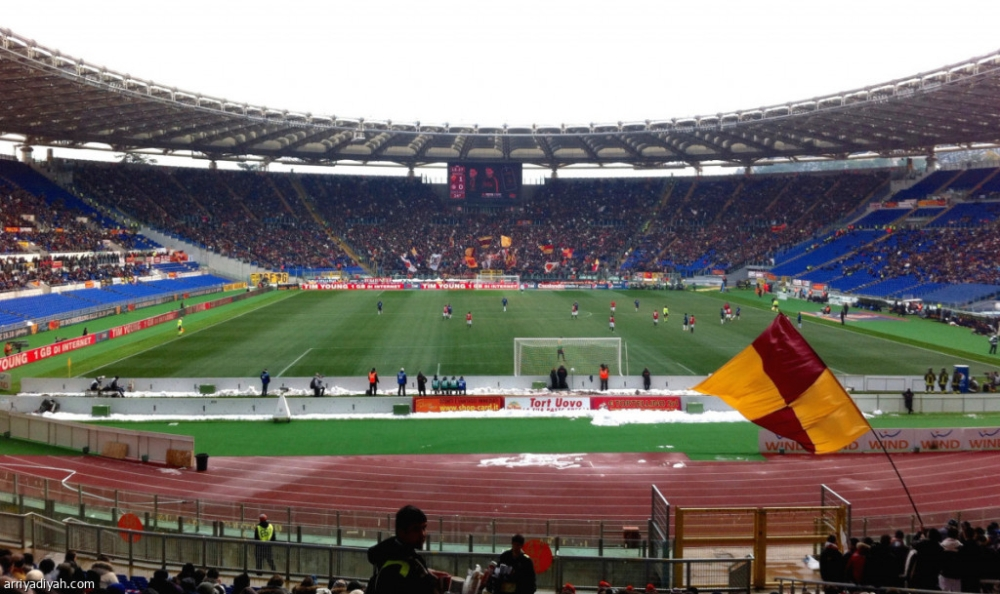
For decades, AS Roma shared the historic Stadio Olimpico with their arch-rivals Lazio. The stadium is owned by the Italian National Olympic Committee. Despite its rich history, the lack of a dedicated stadium posed a significant economic obstacle for the capital's clubs compared to other European giants, and even domestically compared to Juventus, who benefited immensely from their own ground. Therefore, the American Friedkin family, owners of AS Roma, made this project a top priority several months ago. The project aims to create a state-of-the-art sports complex with a capacity of approximately 60,000 spectators, at a massive total cost estimated at around one billion euros. This will contribute to increased revenue and provide an exceptional fan experience.
Voting details and the city administration's position
The Rome City Council session saw strong support for the project, with 39 out of 44 members voting in favor of the "technical and economic feasibility study" presented by the club's management. In this context, Rome's mayor, Roberto Gualtieri, expressed his great optimism, saying, "We are all very happy, as there is a strong majority in favor of this stadium." Gualtieri added, outlining the expected timeline, "We can envision construction beginning in the first half of 2027. This would allow the stadium to be ready to host matches for the 2032 European Championship, which will be co-hosted by Italy and Turkey." However, some bureaucratic hurdles remain, as the project must obtain final approval from several departments, particularly at the regional level, to overcome the complexities that have long been criticized by Serie A clubs.
The impact of Roma's new stadium on Italy's Euro 2032 ambitions
The issue of sports infrastructure and stadiums in Italy is a complex and sensitive one, particularly in the context of preparations for hosting Euro 2032. Many Italian stadiums are outdated, with most having undergone no major renovations since the 1990 World Cup. Discontent reached a peak when UEFA President Aleksander Čeferin described the state of Italian stadiums as "shameful" last May. This underscores the strategic importance of this project, as Italy is set to submit a final list of five modern stadiums this year to host matches for the continental tournament, with Roma's planned stadium being a key component of this selection.
What about their traditional rivals, Lazio?
Amid these rapid developments on the red and yellow sides of the capital, Lazio is not standing idly by. The club is also seeking to renovate the historic Flaminio stadium, which has been abandoned since the Italian national rugby team stopped playing its matches there during the Six Nations tournament. The mayor of Rome confirmed the city's commitment to supporting both clubs in achieving their ambitions, noting that the local administration is working "with equal seriousness on this project" for Lazio, to ensure the development of the sporting infrastructure of the Italian capital as a whole.