A new beginning in the skies of the north: Al-Jawf International Airport begins its operational activities
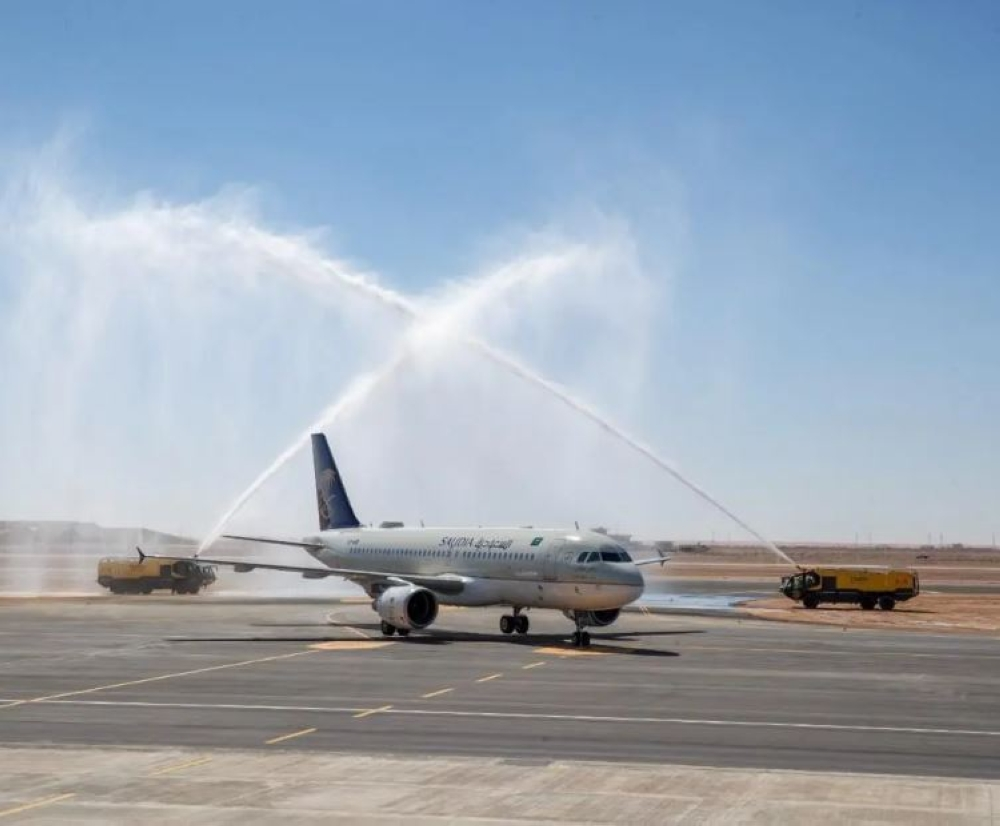
In a move representing a significant leap forward for the air transport sector in northern Saudi Arabia, the new Al-Jouf International Airport, part of the "Second Airports Cluster," commenced full operations today, welcoming its first flights amidst comprehensive preparations. This achievement culminates concerted efforts to transfer all operations from the old airport to the new terminals, designed according to the latest international standards to serve passengers and enhance the region's position as a vibrant destination.
A huge leap in capacity and infrastructure
The new airport represents a dramatic increase in operational capacity, with an estimated capacity of 1.6 million passengers annually, compared to just 175,000 at the old airport – a historic growth rate exceeding 800%. This enormous increase would not have been possible without the state-of-the-art infrastructure spanning a total area of 24,000 square meters. The new terminal features 16 check-in counters, including two self-service kiosks, in addition to 11 departure and arrival gates and five double passport control counters, ensuring a smooth and efficient passenger flow.
Project context and its importance within Saudi Vision 2030
The opening of the new Al-Jawf Airport cannot be viewed as an isolated event, but rather as an integral part of the National Civil Aviation Strategy stemming from Saudi Vision 2030. This strategy aims to transform the Kingdom into a leading global logistics hub and increase the capacity of Saudi airports to meet the growing demand for air travel for tourism and business purposes. Developing peripheral airports like Al-Jawf Airport is a cornerstone for achieving balanced development across the Kingdom's regions and opening new economic opportunities in sectors such as tourism, logistics, and industry by connecting these regions with a more efficient domestic and international aviation network.
Expected impact on Al-Jawf region and the Kingdom
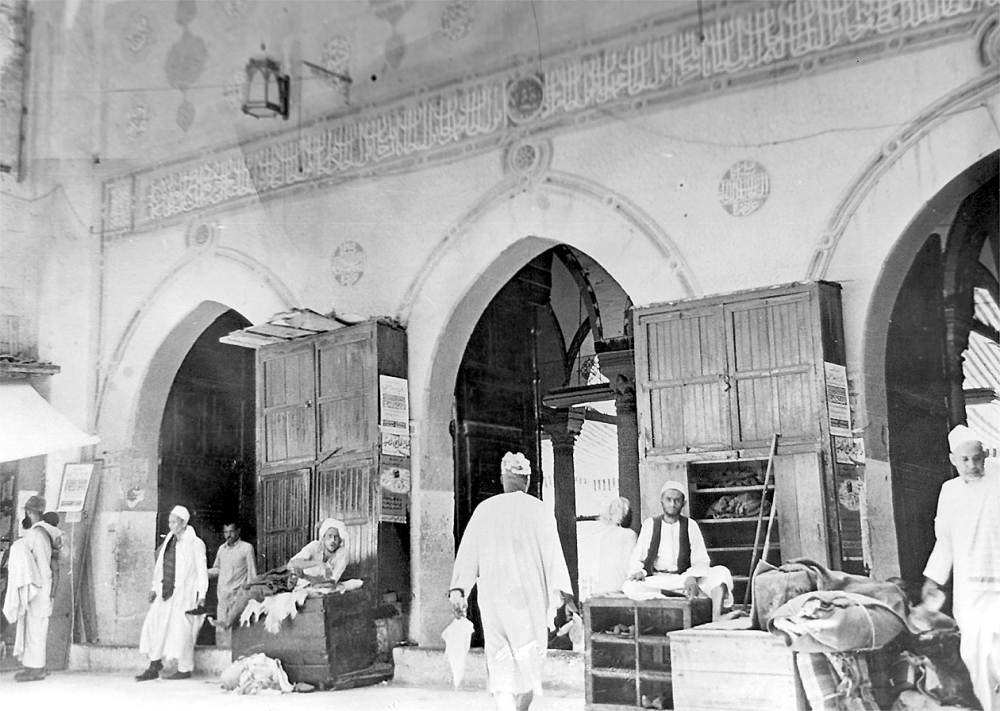
The new airport is expected to have a multifaceted positive impact. Locally, it will act as an engine of economic growth in the Al-Jawf region by creating direct and indirect job opportunities, facilitating the movement of businesspeople and investors, and supporting the region's renowned agricultural exports, particularly olive oil and dates. Nationally, the airport will contribute to boosting domestic and international tourism by providing easier access to Al-Jawf's unique archaeological and historical sites, such as the Rajajil Columns and the Mosque of Omar Ibn Al-Khattab. Internationally, the airport places the region on the regional aviation map, paving the way for future direct international flights and enhancing the Kingdom's position as a global tourist destination.
A design that combines modernity and heritage, and integrated services
The airport's design reflects its local identity, with interior and exterior designs showcasing the heritage of the Al-Jawf region while incorporating modern touches to ensure passenger comfort. Olive trees, symbolizing the region's identity, adorn the approximately 5,000 square meters of green space surrounding the airport. The airport also prioritizes a comprehensive and comfortable travel experience for all, featuring sensory rooms for passengers with autism spectrum disorder, accessible services for people with disabilities, diverse retail spaces spanning 1,700 square meters, and parking for 648 vehicles.