The National Center for Meteorology in Saudi Arabia issued
Weather details in Al-Aqiq Governorate
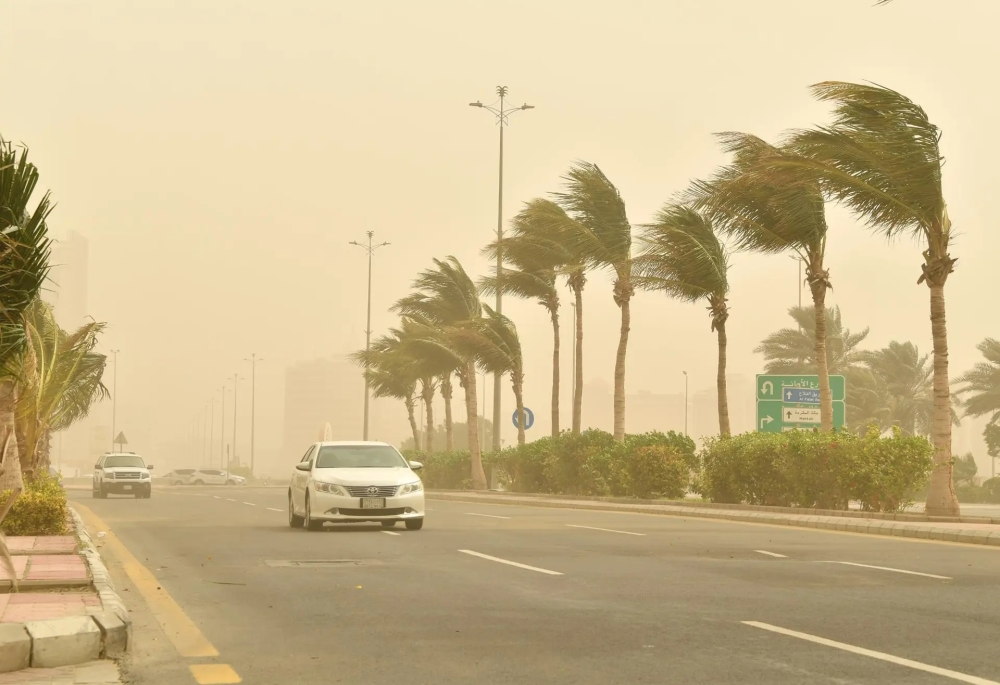
The center explained in its daily report that Al-Aqiq , in the Al-Baha region, is experiencing active surface winds that are stirring up dust and sand. Forecasts indicate that this weather condition will cause a significant decrease in horizontal visibility, with the expected range ranging between 1 and 3 kilometers, necessitating caution from road users.
The Meteorology Department indicated that this ongoing situation - God willing - will remain in effect until 8 pm this evening, calling on citizens and residents in the governorate to follow weather updates through official channels.
Dust particles affect Sharurah
In a related development, the National Center for Meteorology warned of dust storms Sharurah Governorate , which will cause near-zero horizontal visibility, ranging from 1 to 3 kilometers. The center stated that this weather condition in Sharurah will persist until 3:00 PM.
The geographical and climatic context of the affected areas
These warnings come as part of the ongoing monitoring of weather fluctuations in the Kingdom, as the Al-Baha region is characterized by its mountainous nature and rugged terrain, which may amplify the impact of active winds, while Sharurah Governorate is located on the edge of the Empty Quarter desert, making it periodically exposed to sandstorms and dust particles as a result of its open desert nature.
Public safety and health recommendations
Given the impact of dust storms and particulate matter on public health and road safety, experts and relevant authorities always emphasize the need to follow the following safety guidelines in such circumstances:
- For respiratory patients: It is advised to avoid going out into open areas except when absolutely necessary, and to wear medical masks to avoid inhaling dust that may aggravate asthma and allergies.
- For drivers: Leave sufficient distance between vehicles, use warning signals when necessary, and avoid high speeds due to low visibility, especially on highways connecting governorates.
The National Center of Meteorology works diligently to monitor these weather phenomena using the latest technologies and satellites to ensure that accurate information is delivered to the public and relevant government agencies, with the aim of preserving lives and property.