Decisive statements from NATO leadership
NATO Secretary General Mark Rutte categorically affirmed that there is no alternative to the US nuclear umbrella protecting the European continent. His remarks came during the Munich Security Conference, at a time of growing debate within Europe about the need to strengthen its independent defense capabilities, particularly in the area of nuclear deterrence.
Rutte told reporters, “I think any discussion in Europe aimed at strengthening collective nuclear deterrence is a good thing, but no one in Europe is calling for replacing the American nuclear umbrella.” He added, explaining, “Everyone understands that it is the ultimate guarantor, and that all other discussions complement it, not replace it.”.
General context and historical background
The roots of the American nuclear umbrella can be traced back to the Cold War era, forming the cornerstone of NATO's deterrence strategy against the Soviet threat. Under this strategy, known as "nuclear sharing," the United States deploys tactical nuclear weapons in several European allies (such as Germany, Italy, Belgium, the Netherlands, and Turkey), with a commitment to defend any ally under attack, including the use of nuclear weapons if necessary. This commitment, enshrined in Article 5 of the NATO treaty, has been the strongest security guarantee for Western Europe for decades.
These renewed discussions come against the backdrop of two key factors: first, the Russian war in Ukraine, which has revived fears of a large-scale conflict in Europe, and second, uncertainty about the continuity of American security commitments, especially given former US President Donald Trump’s statements questioning the usefulness of NATO and calling on Europeans to shoulder more of the burden of defending themselves.
The importance of the event and its expected impact
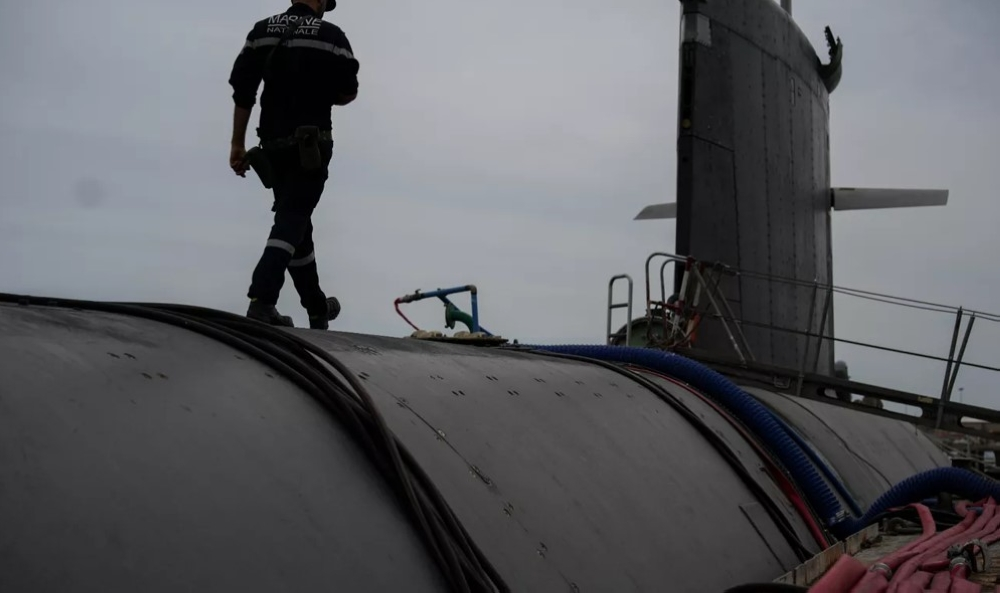
These statements carry significant weight both regionally and internationally. At the European level, Rutte's remarks came after Germany revealed it had held "closed-door" talks with France regarding extending the French nuclear deterrent to include European allies. France, along with the United Kingdom, possesses its own independent nuclear arsenal. In this context, German Chancellor Friedrich Merz stated that he had discussed "European nuclear deterrence" with the French president. British Prime Minister Keir Starmer also announced that his country was "strengthening its nuclear cooperation with France.".
However, establishing an independent European deterrent force faces enormous political and technical challenges, particularly regarding who would control its deployment and how it would be funded. Therefore, these European initiatives are seen as an attempt to strengthen the “European pillar” within NATO, rather than a break from American guarantees. They represent a contingency plan and a response to calls for burden-sharing, more than a viable alternative project.
Internationally, the NATO Secretary General’s statements send a dual message: a message of reassurance to Washington that European allies are not seeking to dispense with its leadership role, and a message of deterrence to Moscow that the alliance remains cohesive and that its collective nuclear capabilities, led by the United States, remain reliable and strong.