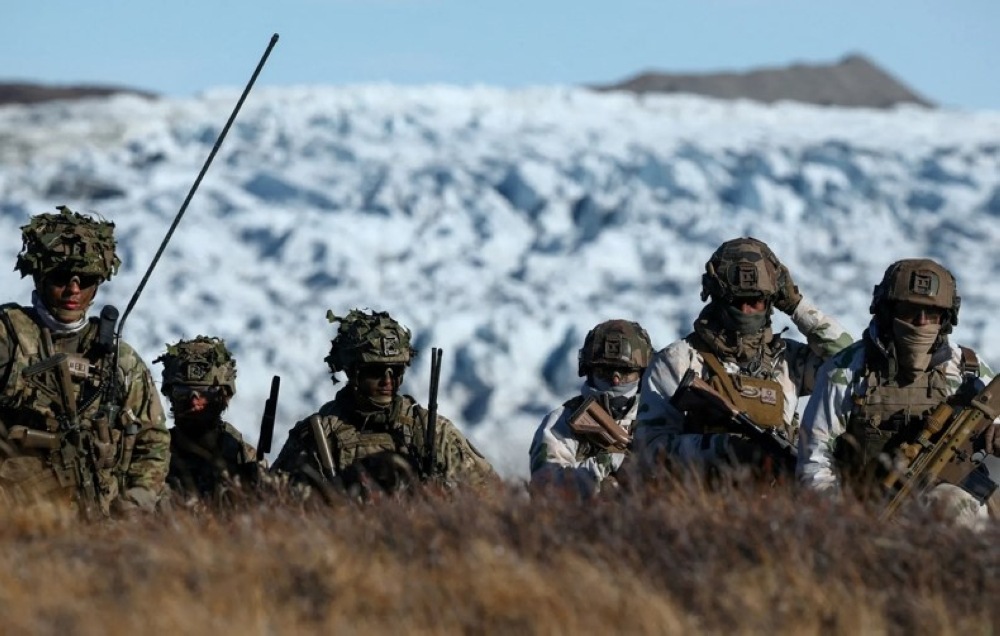
In a significant geopolitical development reflecting the intensifying international competition for resources and strategic locations, NATO Secretary General Mark Rutte revealed the true objectives of the intensive talks underway with the United States regarding Greenland. Speaking on Thursday on the sidelines of the World Economic Forum in Davos, Rutte emphasized that the central aim of these efforts is to block any Russian or Chinese influence on the Danish-controlled territory and prevent their access to the vital Arctic region.
The “Seven” Alliance to Protect the Arctic
The NATO Secretary General explained that the talks are not limited to bilateral discussions but aim to establish a joint security umbrella guaranteeing the safety of seven key Arctic nations: the United States, Canada, Denmark, Iceland, Sweden, Finland, and Norway. This initiative comes amid growing Western concerns about Russia's increasing military activity in the Arctic, as well as China's economic ambitions, which have led it to declare itself a "near-Arctic state" and pursue the creation of what is known as the "Arctic Silk Road.".
The strategic and economic importance of the conflict
These moves are particularly significant given the region's historical and geographical context. With the melting ice caused by climate change, the Arctic has become a new arena for international competition. New waterways are opening shorter trade routes between Asia and Europe, as well as revealing vast untapped reserves of natural resources and rare earth minerals. Washington and its allies are striving to ensure that Beijing and Moscow do not exploit these opportunities to expand their military or economic influence in NATO's backyard, especially since Greenland hosts the Thule Air Base, a cornerstone of the US missile early warning system.
The Danish position: Sovereignty is a red line
In a related development, Danish Prime Minister Mette Frederiksen emphasized her country's steadfast position in this complex equation. In an official statement, she affirmed Copenhagen's desire to continue a "constructive dialogue" with allies in Washington and Brussels regarding strengthening security in Greenland and the Arctic region, but she drew a clear line between cooperation and concessions.
Commenting on reports circulating about draft agreements, Frederiksen said, “We can negotiate all political aspects, including security arrangements, investments, and economic cooperation, but we can never negotiate our sovereignty and territorial integrity.” She emphasized that the issue of sovereignty was not up for discussion, reassuring the Danish public and the people of Greenland that cooperation with NATO and the United States would not compromise national sovereignty, but rather strengthen collective defense against emerging threats.