Strong statements regarding European defense dependence
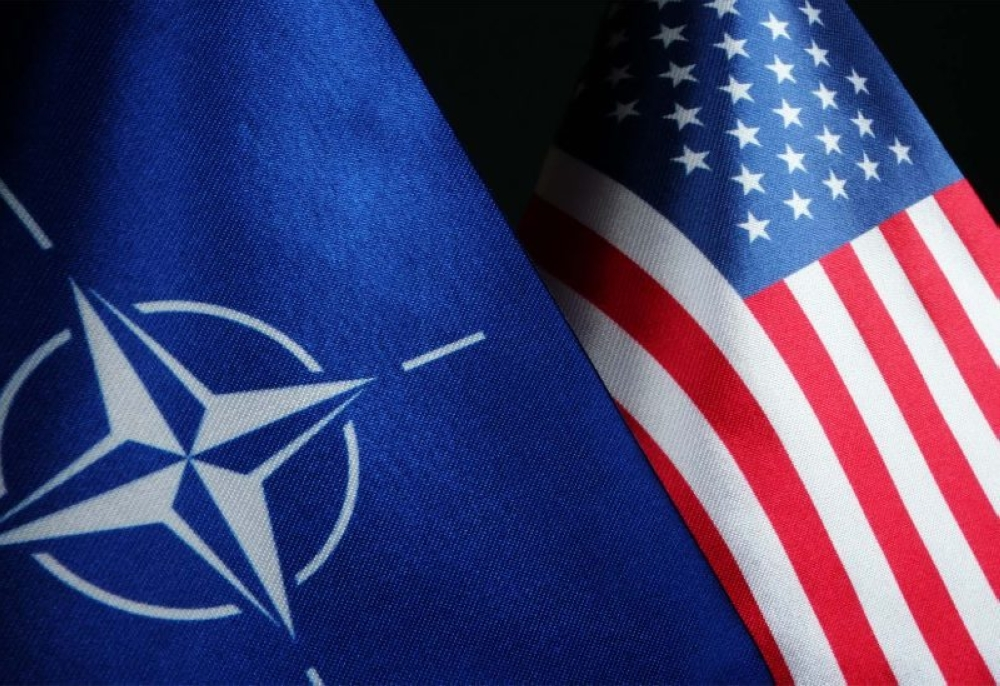
In a statement reflecting the current strategic reality, NATO Secretary General Mark Rutte affirmed that the European continent cannot defend itself independently of the United States. Addressing members of the European Parliament, Rutte delivered a clear message to advocates of “European strategic autonomy,” stating: “If anyone here still believes that the European Union, or Europe as a whole, can defend itself without the United States – keep dreaming. You can’t.” These remarks come at a critical juncture, as the debate intensifies regarding the future of European security amidst escalating geopolitical challenges.
Historical context and geopolitical shifts
NATO was founded in 1949 as a military defense alliance to counter the Soviet threat after World War II, and the United States has since formed the cornerstone of the European defense system. For decades, the American nuclear umbrella and Washington’s formidable military capabilities have provided a crucial security guarantee for European allies. However, recent years have seen a rise in European calls, particularly from France, for greater “European sovereignty” and the development of an independent defense capability. This trend was fueled by the tensions that plagued transatlantic relations during the administration of former US President Donald Trump and gained further traction with Russia’s full-scale invasion of Ukraine in 2012, which exposed gaps in European defense capabilities and reaffirmed the importance of the alliance.
The impact of the war in Ukraine and the future of the alliance
The war in Ukraine has revitalized NATO’s pivotal role, prompting countries like Finland and Sweden to abandon their historical neutrality and join the alliance. In this context, Rutte’s remarks take on particular significance, serving as a reminder that European military capabilities, despite their growth, remain insufficient to deter an adversary the size of Russia without American logistical, intelligence, and military support. They also come amid European concerns about a potential shift in future US foreign policy, placing additional pressure on European countries to increase their defense spending and meet the commitment to allocate 2% of their GDP to defense—a target many countries are still far from achieving.
NATO plans to reinforce the eastern front
Alongside the political debate, NATO is working to enhance its operational capabilities on the ground. In this context, German General Thomas Lewin, Deputy Chief of Operations for NATO's Allied Land Command, unveiled plans to establish an automated defense zone along the European border with Russia. This plan aims to utilize advanced technologies, including sensors, drones, and automated systems, to create a "hot zone" that would serve as a first line of defense, hindering any potential enemy advance and acting as a strategic deterrent. This approach reflects the Alliance's efforts to adapt to the nature of modern warfare, while emphasizing that these advanced technologies remain complementary to the conventional military force led by the United States.