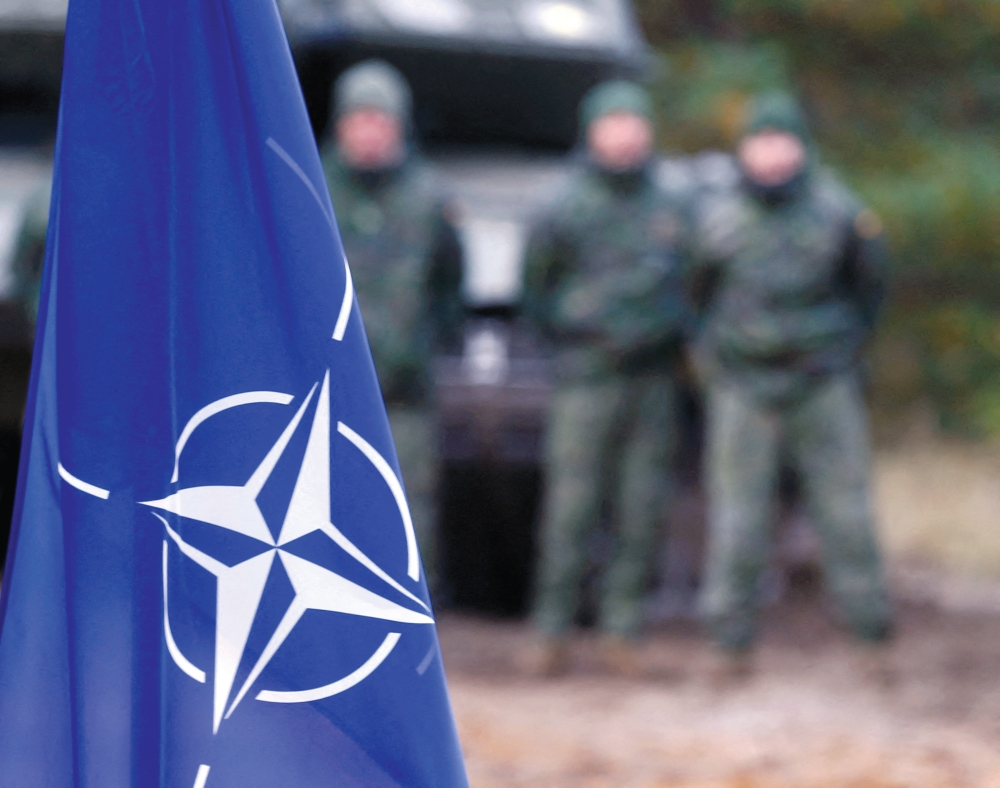
NATO's acting Secretary General, Mark Rutte, announced that member states are investing tens of billions of euros to bolster their defense capabilities, a move reflecting a major strategic shift in the global security landscape. This announcement comes amid intensive preparations for the alliance's summit scheduled for Washington in July, which is expected to shape the future of NATO deterrence and defense in the face of growing challenges.
Historical background: From spending cuts to the need for deterrence
NATO was founded in 1949 as a collective defense alliance to counter the Soviet threat during the Cold War. Following the collapse of the Soviet Union, most member states experienced a period of reduced military spending, known as the “peace dividend.” However, this trend began to change dramatically in 2014 after Russia’s annexation of Crimea. At the Wales Summit that year, NATO members pledged to increase their defense spending to 2% of GDP by 2024. While this goal had remained ambitious for many countries for years, it laid the groundwork for a reassessment of defense priorities.
Turning Point: The War in Ukraine and its Impact
Russia’s full-scale invasion of Ukraine in February 2022 marked a turning point, awakening Europe to the reality of direct military threats. The 2% target was no longer seen as a ceiling on ambition, but rather as the minimum necessary to guarantee the Alliance’s security. Rutte explained that the defense ministers of the member states would meet at NATO headquarters to follow up on the implementation of decisions made at previous summits, most notably the Vilnius Summit in 2023, and to discuss future plans to ensure their defense investments are effective and aligned with the Alliance’s collective needs.
The importance of new investments and their expected impact
The significant increase in defense spending is not simply about purchasing new equipment; it aims to achieve several strategic objectives. First, it strengthens the combat readiness of forces on the alliance's eastern flank and sends a clear deterrent message to Russia. Second, it rebuilds strategic stockpiles of ammunition and equipment that have been severely depleted due to support provided to Ukraine. Third, and most importantly in the long term, it strengthens the European defense industrial base to increase production capacity and meet growing demand, a point emphasized by Rutte, who stated that increased investment must be accompanied by the availability and procurement of the necessary defense capabilities.
Internationally, this shift in NATO spending signals a new global arms race, with countries like Russia and China likely to respond with similar increases in their military budgets. The decision also places pressure on the national budgets of member states, potentially sparking internal debates about priorities between defense and other sectors such as health and education. Ultimately, this trend confirms that the world has entered a new era of geopolitical competition, and that security and defense have once again become top priorities on the international agenda.