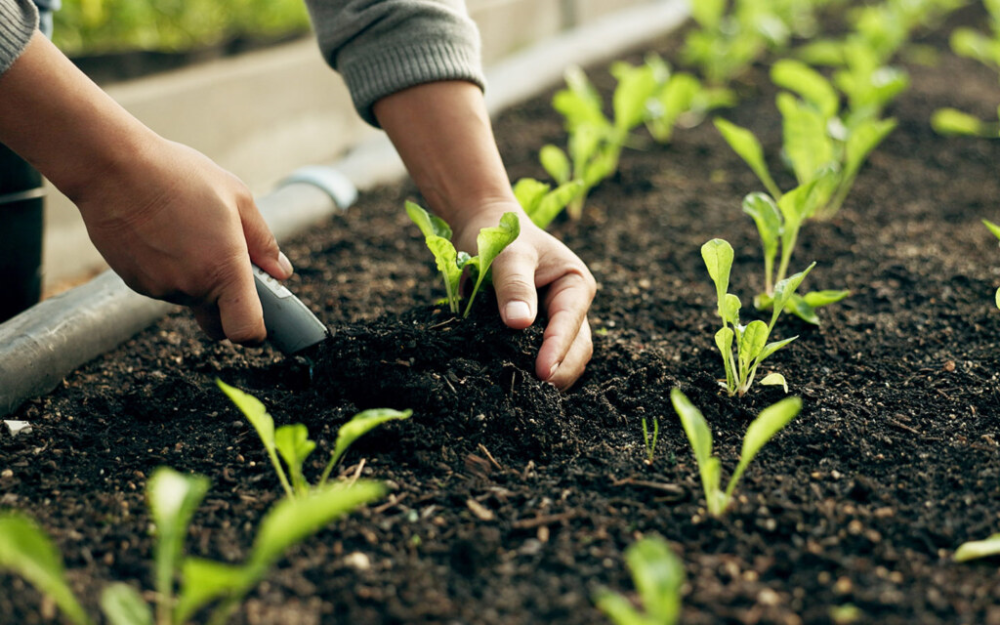
In a strategic move reflecting the Kingdom of Saudi Arabia's commitment to environmental sustainability, the National Afforestation Program the adoption of a list of more than 55 native plant species suitable for the nature and terrain of the Qassim region. This step is a key component of national efforts to enhance vegetation cover and combat desertification, directly aligning with the objectives of the Saudi Green Initiative and the Kingdom's Vision 2030.
Local Nature Return Strategy
This announcement is not merely an agricultural list; it represents a qualitative shift in the Kingdom's afforestation strategies, focusing on native plants instead of imported ones. The importance of this approach lies in the superior ability of local plants to adapt to harsh climatic conditions, such as high temperatures and water scarcity, thus ensuring the sustainability of vegetation cover and reducing water waste—one of the most significant challenges facing arid and semi-arid regions.
The approved list includes a wide variety of trees and shrubs, as well as perennial and annual grasses. This diversity aims to restore ecological balance and establish a culture of cultivating species suited to diverse environments, thus effectively contributing to reducing land degradation and desertification.
The most prominent plant species and their ecological identity
The selected collection includes species that form part of the environmental and cultural identity of the Qassim region and the Arabian Peninsula. Among the most prominent of these species are:
- Trees and shrubs: Acacia, Samar, Ghadha, Ramth, Arfaj, Sheeh, Wild Sidr, and Talh.
- Biological families: These plants descend from ancient families such as the legumes, the sedges, the tamarisk, the grasses, the composites, and the nightshade.
This selection reflects the biological richness of the region, as these species are characterized by their deep roots and ability to stabilize the soil, making them the first line of defense against dust storms and desertification.
Comprehensive coverage of the Qassim terrain
The program's study and selections were based on the unique topographical diversity of the Qassim region. The plan encompasses not only cities but also valleys, plains, sand dunes (Nafud), and extends to inland meadows, salt flats, and mountains. This geographical comprehensiveness ensures the restoration of ecosystems across various natural habitats, thereby promoting the return of wildlife and biodiversity to the region.
Community partnership for a green future
Recognizing that environmental protection is a shared responsibility, the program aims to lead a broad community movement through this initiative. This will be achieved by engaging the public, private, and non-profit sectors in afforestation efforts to ensure the sustainability of these natural resources for future generations.
The national effort is currently focused on raising awareness of harmful environmental practices such as illegal logging and unregulated grazing, while also promoting a culture of environmental volunteerism. These efforts aim to transform citizens from passive recipients of services into active and influential partners in protecting and developing their local environment, thereby enhancing quality of life and creating a healthy and sustainable environment.