In a strategic move reflecting the Kingdom of Saudi Arabia’s commitment to environmental protection and sustainability, the National Afforestation Program today announced a significant scientific and environmental achievement: the identification and classification of 134 native plant species perfectly suited to the climatic and geographical conditions of the Makkah region. This announcement is part of ongoing efforts to enhance vegetation cover and combat desertification, directly contributing to the goals of the “Green Saudi Arabia” initiative, which stems from the Kingdom’s Vision 2030.
Biodiversity supports environmental sustainability
The program explained in its report that the approved plant list boasts a unique biodiversity that ensures the sustainability of afforestation projects and minimizes water waste. The list includes a wide range of vegetation, from perennial and large trees to climbing shrubs, annual grasses, and grasses. Among the most prominent species to be relied upon in future projects are:
- Main trees: Sidr, Moringa, Acacia, and Talh.
- Coastal plants: Mangrove trees, which play a vital role in protecting the beaches.
- Aromatic and medicinal plants: such as lavender and senna.
- Native wild trees: hawthorn, arak, and tamarisk.
Context of the initiative and its strategic importance
This announcement is not merely a listing of plants; it is a cornerstone of the Kingdom's environmental strategy. The "Green Saudi Arabia" initiative, which aims to plant 10 billion trees within the Kingdom, requires meticulous attention to detail in selecting plant species to ensure their survival and growth under harsh climatic conditions. The selection of native plants is specifically driven by their superior ability to adapt to high temperatures and water scarcity, making them a more economically and environmentally sound option compared to imported species.
This step is particularly important in the Makkah region, given its religious significance and the millions of pilgrims and visitors it receives annually. Increasing vegetation cover will directly contribute to moderating the climate, lowering temperatures, and improving air quality, which will positively impact the health and well-being of the region's residents and visitors.
Genetic richness and amazing geographical adaptation
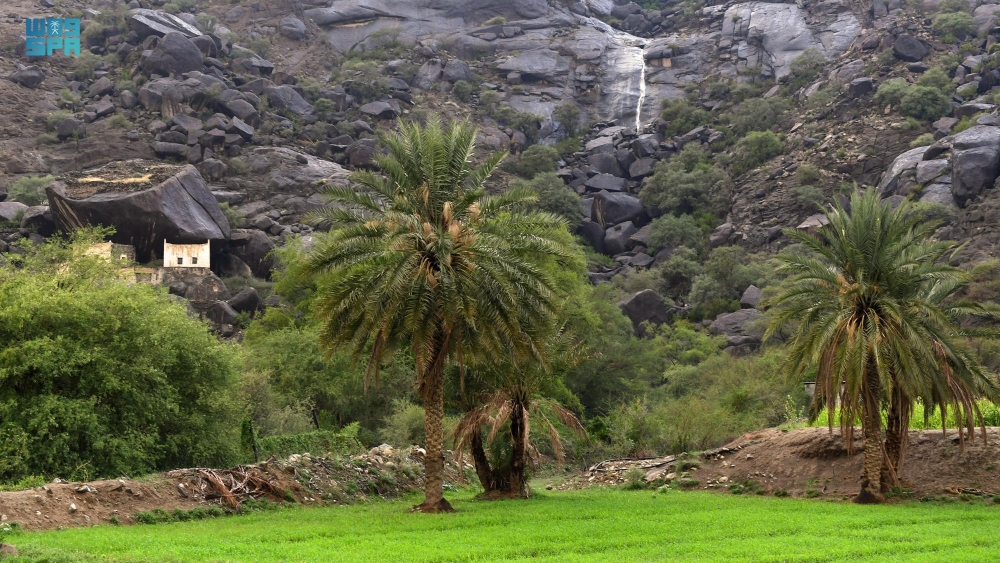
The environmental report revealed that these plants descend from ancient plant families reflecting the rich genetic heritage of the Kingdom's lands, such as the legume, pistachio, acanthus, oleander, and olive families. These species are characterized by their remarkable adaptability, allowing them to thrive in Makkah's diverse environments. They grow in coastal plains and salt marshes, climb mountain peaks and rocky slopes, cover valleys and meadows, and even inhabit sand dunes and arid deserts.
Community partnerships for a green future
The National Afforestation Program is leading a broad movement to integrate these species into community and governmental initiatives, aiming to activate partnerships with the private and non-profit sectors. This movement aims to raise awareness of the importance of using native plants and promote a culture of environmental volunteerism to ensure the restoration of natural balance and protect lands from degradation, thus establishing a healthy and sustainable environment for future generations.