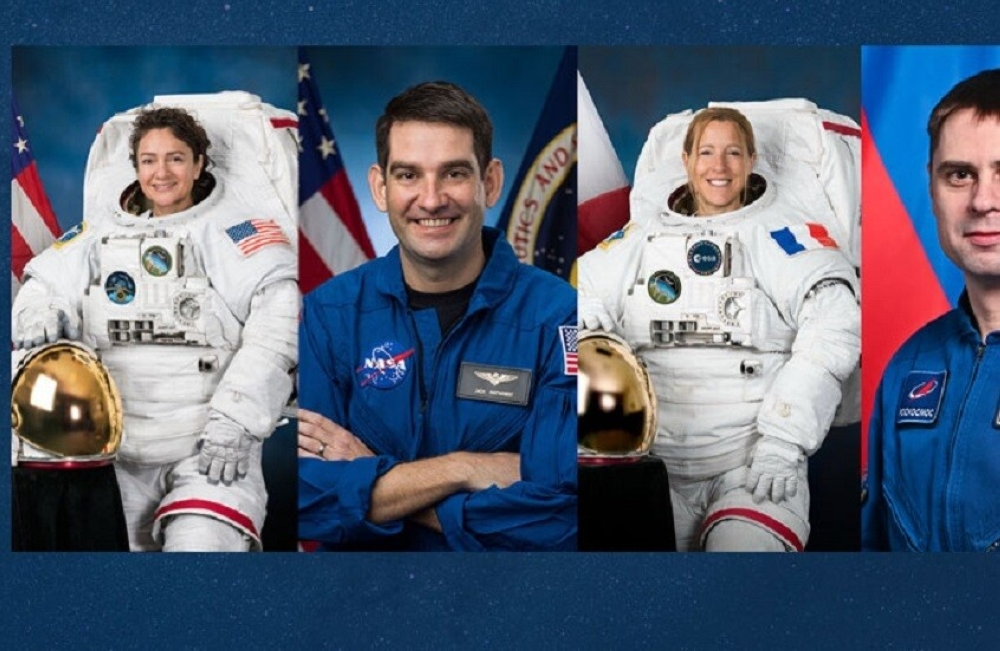
في خطوة تعكس الديناميكية العالية لإدارة المهام الفضائية، تواصل وكالة الفضاء الأمريكية “ناسا” بالتعاون مع شريكتها الاستراتيجية “سبيس إكس”، مراجعة وتحديث جداول إطلاق مهام رواد الفضاء المستقبلية إلى محطة الفضاء الدولية، بما في ذلك مهمة Crew-12 المرتقبة. تأتي هذه التعديلات المحتملة في إطار ضمان استمرارية التواجد البشري في المدار، ودعم الأبحاث العلمية المتقدمة، وتنفيذ أعمال الصيانة الدورية للمحطة التي تعد المختبر العلمي الوحيد في بيئة الجاذبية الصغرى.
السياق العام: برنامج الطواقم التجارية نقلة نوعية
يعود نجاح هذه المهام إلى “برنامج الطواقم التجارية” (Commercial Crew Program) الذي أطلقته ناسا بعد تقاعد أسطول مكوك الفضاء في عام 2011. هدف البرنامج إلى تحفيز القطاع الخاص لتطوير مركبات فضائية آمنة وموثوقة ومنخفضة التكلفة لنقل رواد الفضاء من وإلى محطة الفضاء الدولية، منهياً بذلك الاعتماد الحصري على مركبات “سويوز” الروسية. وقد أثمر هذا البرنامج عن شراكة ناجحة مع شركة “سبيس إكس” التي طورت مركبة “كرو دراغون” وصاروخ “فالكون 9″، اللذين أصبحا العمود الفقري لعمليات نقل الطواقم الأمريكية منذ أول رحلة مأهولة لهما في عام 2020.
أهمية استمرارية التواجد البشري في الفضاء
تكمن أهمية إطلاق مهام مثل Crew-12 في الحفاظ على طاقم متكامل على متن محطة الفضاء الدولية، والذي يتألف عادة من ستة إلى سبعة رواد فضاء. هذا التواجد المستمر ضروري لإجراء مئات التجارب العلمية سنوياً في مجالات متنوعة مثل البيولوجيا، والفيزياء، وعلوم المواد، والتي لا يمكن إجراؤها على الأرض. بالإضافة إلى ذلك، يقوم رواد الفضاء بمهام حيوية لصيانة وتحديث أنظمة المحطة، التي تعمل في الفضاء منذ أكثر من عقدين. أي انقطاع في التواجد البشري قد يعرض هذه الأصول العلمية والتقنية للخطر ويؤخر الأبحاث المهمة لمستقبل استكشاف الفضاء.
مرونة التخطيط وأسباب تعديل المواعيد
إن تحديد مواعيد إطلاق المهام الفضائية عملية معقدة وتخضع لمتغيرات عديدة. قد يتم تقديم أو تأجيل موعد الإطلاق استجابة لظروف تشغيلية مختلفة، مثل الحاجة إلى دعم طاقم حالي، أو إفساح المجال لمركبات شحن أخرى، أو التوافق مع الظروف الجوية المثالية للإطلاق والهبوط. كما تلعب الجاهزية الفنية للصاروخ والمركبة الفضائية دوراً حاسماً. هذه المرونة في الجدولة تعكس قدرة ناسا وشركائها على التكيف مع التحديات الطارئة وضمان سلامة الطاقم ونجاح المهمة كأولوية قصوى، مما يضمن استقرار العمليات في المدار الأرضي المنخفض.