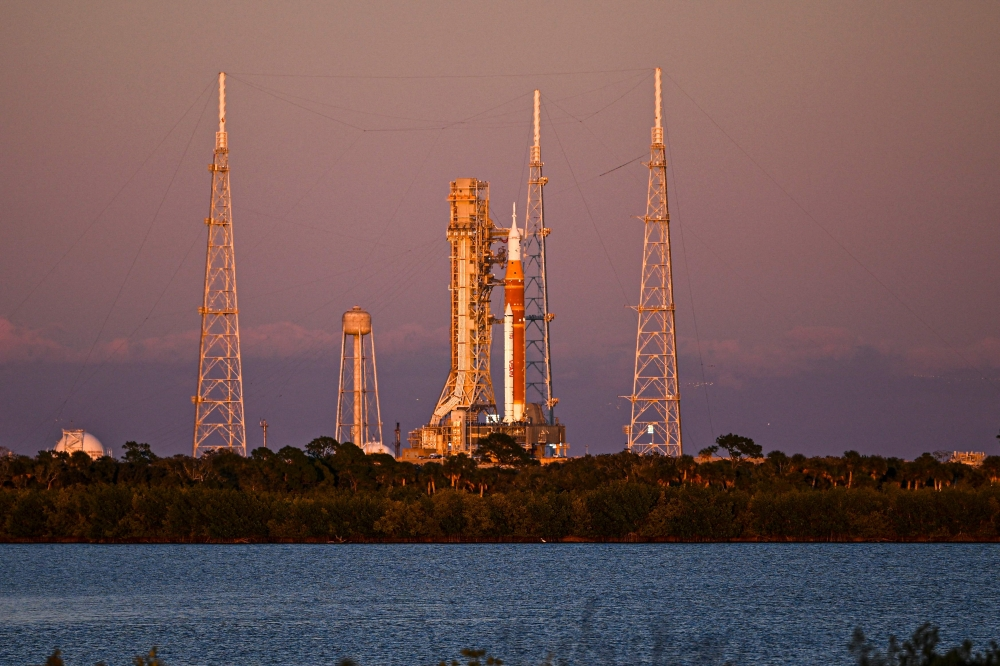
In a move underscoring the priority of safety in space exploration, NASA announced the postponement of the Artemis 2 mission, which would have been the first crewed mission to orbit the Moon since the end of the Apollo program more than 50 years ago. The decision came after the discovery of technical challenges that require further analysis and resolution to ensure the highest safety standards for the four astronauts participating in this historic mission.
Historical context: From “Apollo” to “Artemis”
The Artemis program is the legitimate successor to the legendary Apollo program, which landed humans on the Moon between 1969 and 1972. After Apollo 17, the last crewed mission to the Moon, human travel to our celestial neighbor ceased for decades. Today, the Artemis program aims not only to return humans to the Moon but also to establish a sustainable human presence there, including building a lunar space station known as the Gateway and exploiting lunar resources, paving the way for the next giant leap: sending humans to Mars. The Artemis 2 mission is significant as it represents the first real-world test of the Orion capsule and the Space Launch System (SLS) rocket with a crew on board, following the resounding success of the uncrewed Artemis 1 mission, which tested these systems in deep space.
Technical reasons behind the postponement
NASA explained that the delay was not due to a single problem, but rather the result of a thorough analysis of data collected from the Artemis 1 mission. This analysis revealed unexpected wear and tear on the Orion capsule's heat shield during its reentry into Earth's atmosphere. Although the shield performed its function successfully, fully understanding and addressing this phenomenon is crucial to ensuring the crew's safety on the next mission. Furthermore, the capsule's life support systems, responsible for providing air and water and controlling temperature, are undergoing intensive testing to guarantee their optimal performance throughout the approximately ten-day mission. NASA emphasizes that these precautionary measures are essential, as there is no room for error when it comes to the lives of the astronauts.
The importance of the mission and its global impact
The impact of the Artemis II mission extends far beyond the United States, reaching the entire international community. It represents humanity's return to deep space exploration and opens new horizons for science and discovery. Internationally, the mission reinforces the United States' position as a leader in space at a time of increasing competition from other space powers, such as China. It also embodies the spirit of international cooperation, as its crew includes an astronaut from the Canadian Space Agency, reflecting the global nature of the project. Domestically, the program stimulates technological innovation, creates thousands of jobs, and inspires a new generation of scientists and engineers. The success of Artemis II, even after its postponement, will pave the way for the Artemis III mission, which aims to land the first woman and the first person of color on the Moon, achieving another historic milestone for humanity.