أعلنت السلطات الصحية في جمهورية ناميبيا رسمياً عن رصد وتأكيد 22 حالة إصابة بمرض الكوليرا، وذلك في أعقاب تفشي الوباء في منطقة "أوتجوزوندجوبا" الواقعة في شمال وسط البلاد. ويأتي هذا الإعلان ليدق ناقوس الخطر حول ضرورة اتخاذ تدابير وقائية عاجلة لمنع انتشار المرض في المناطق المجاورة.
تفاصيل الوضع الوبائي ونتائج الفحوصات
وفي تصريحات رسمية، أوضح المدير الإقليمي للصحة، جيربهاردو تيموثيوس، تفاصيل الوضع الراهن، مشيراً إلى أن الفرق الطبية قامت بجمع وفحص 83 عينة مخبرية من حالات مشتبه بها. وقد أظهرت النتائج المخبرية إيجابية 22 عينة، مما يؤكد إصابتها ببيكتيريا الكوليرا، بينما جاءت نتائج 40 عينة سلبية. وأكد تيموثيوس أن السلطات لا تزال بانتظار نتائج بقية العينات لتحديد الحجم الدقيق للتفشي واتخاذ الإجراءات المناسبة بناءً على البيانات المحدثة.
الخلفية التاريخية وبؤر الانتشار
لا يعد هذا الظهور للمرض حدثاً معزولاً تماماً؛ فقد كانت وزارة الصحة الناميبية قد أكدت في نهاية العام الماضي رصد 3 إصابات بداء الكوليرا في مدينة "جروتفونتين". وتكتسب هذه المدينة أهمية خاصة كونها واحدة من أكثر المراكز الحضرية كثافة سكانية في منطقة أوتجوزوندجوبا، حيث يقطنها ما يقارب 30 ألف نسمة. هذا الترابط الجغرافي والزمني بين الحالات يشير إلى احتمالية وجود بؤر كامنة للمرض تتطلب معالجة جذرية للبنية التحتية للمياه والصرف الصحي.
طبيعة المرض ومخاطره الصحية
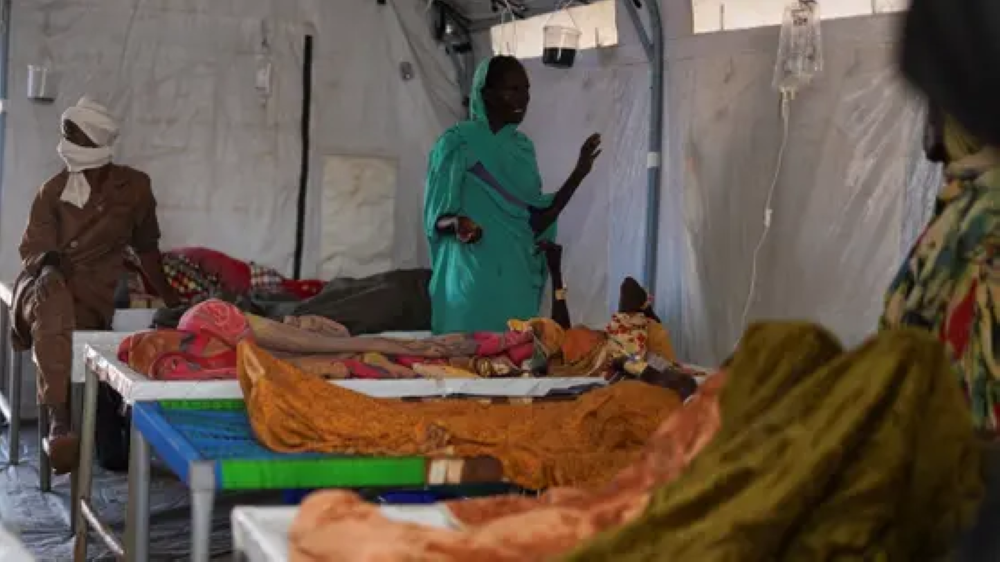
تعتبر الكوليرا عدوى معوية حادة تنشأ بسبب تناول طعام أو ماء ملوث ببكتيريا الضمة الكوليرية (Vibrio cholerae). وتكمن خطورة المرض في قدرته على إحداث جفاف شديد وفشل كلوي خلال ساعات قليلة إذا لم يتم تقديم الرعاية الطبية اللازمة، والمتمثلة أساساً في تعويض السوائل والأملاح المفقودة. وتعد المناطق التي تعاني من نقص في المياه النظيفة أو سوء في شبكات الصرف الصحي بيئة خصبة لانتشار هذا الوباء.
التأثير الإقليمي وأهمية الاستجابة السريعة
يحمل هذا الإعلان أهمية بالغة ليس فقط على المستوى المحلي في ناميبيا، بل على مستوى منطقة الجنوب الأفريقي ككل، حيث تسعى الدول المجاورة لمنع انتقال العدوى عبر الحدود. إن السيطرة على التفشي في مراحله الأولى في منطقة حيوية مثل "أوتجوزوندجوبا" يعد أمراً حاسماً لتجنب سيناريوهات أكثر تعقيداً قد تؤثر على حركة السياحة والتجارة، فضلاً عن الضغط الذي قد يسببه الوباء على النظام الصحي الوطني. وتعمل السلطات حالياً على تكثيف حملات التوعية وتوفير مستلزمات النظافة والتعقيم للسكان في المناطق المتضررة.