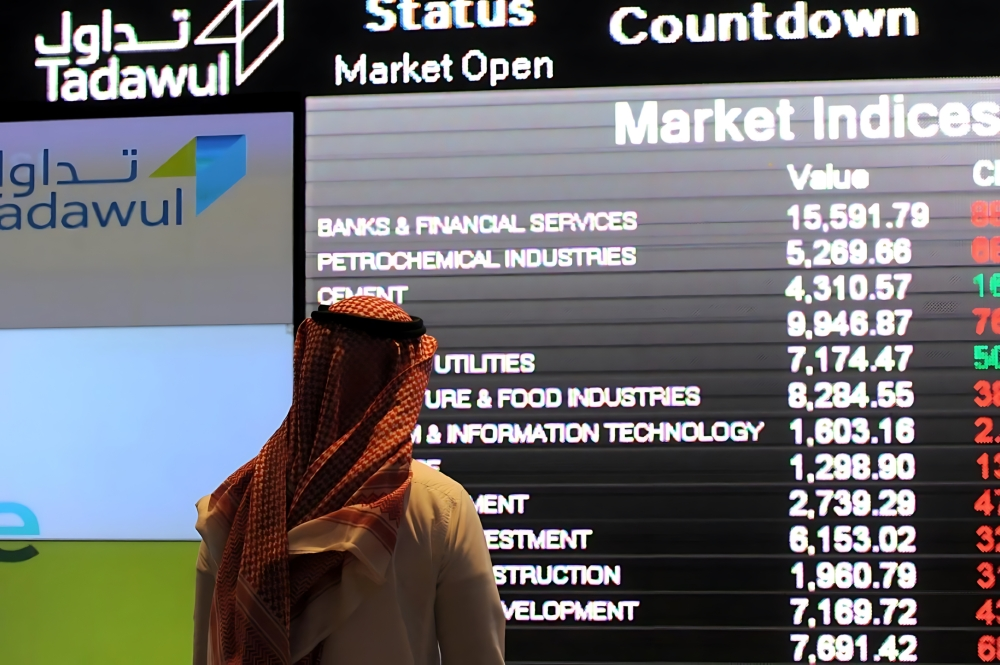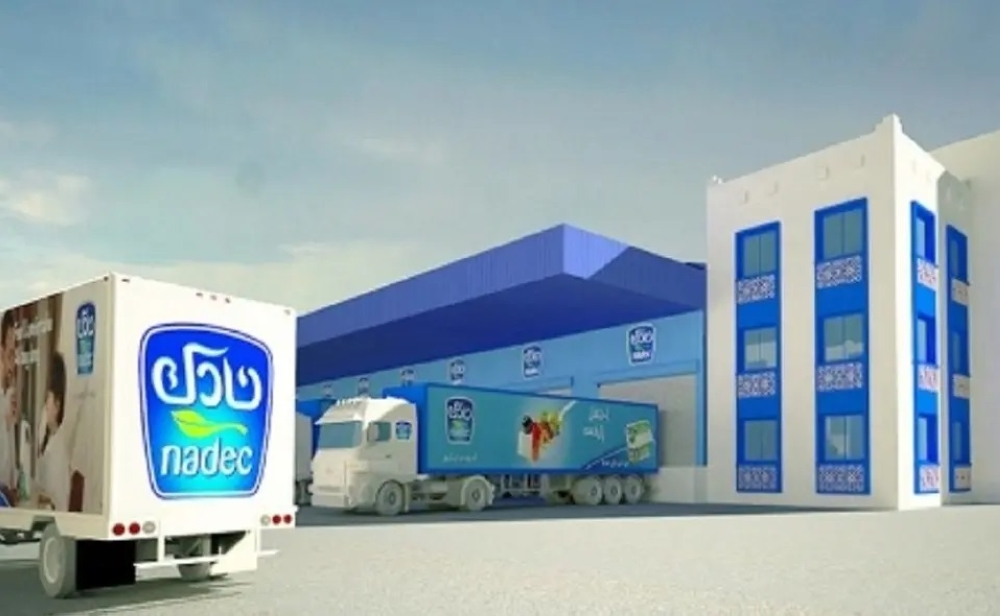
أعلنت الشركة الوطنية للتنمية الزراعية “نادك”، إحدى الشركات الرائدة في قطاع الأغذية والزراعة في المملكة العربية السعودية، عن تراجع صافي أرباحها السنوية لعام 2025 بنسبة 49%، لتصل إلى 393.35 مليون ريال سعودي، مقارنة بأرباح بلغت 774.63 مليون ريال في عام 2024. وأوضحت الشركة في بيانها الرسمي على موقع “تداول السعودية” أن هذا التراجع يعود بشكل أساسي إلى تسجيل أرباح استثنائية غير متكررة خلال العام الماضي، مما يجعل المقارنة السنوية غير معبرة عن الأداء التشغيلي الفعلي للشركة الذي شهد نمواً ملحوظاً في الإيرادات.
السياق العام وأثر الأرباح غير المتكررة
تأسست “نادك” في عام 1981 كجزء من جهود المملكة لتحقيق الأمن الغذائي، وتعد اليوم من أكبر الشركات المتكاملة في قطاع الأغذية الزراعية في منطقة الشرق الأوسط وشمال أفريقيا. تلعب الشركة دوراً محورياً في دعم مستهدفات رؤية السعودية 2030 المتعلقة بتنويع الاقتصاد وتعزيز الإنتاج المحلي. ويأتي تحليل نتائجها المالية في سياق اقتصادي عالمي يشهد تقلبات في تكاليف الإنتاج وسلاسل الإمداد.
العامل الأبرز في تراجع صافي الربح هو الربح غير المتكرر البالغ 356.51 مليون ريال الذي تم تسجيله في عام 2024. نتج هذا الربح عن عملية الطرح العام الأولي لـ 30% من أسهم شركة المطاحن العربية للمنتجات الغذائية، حيث حققت “نادك” أرباحاً رأسمالية من بيع حصتها، بالإضافة إلى مكاسب غير محققة من إعادة تقييم القيمة العادلة للاستثمار المتبقي. استبعاد هذا البند الاستثنائي يظهر صورة أكثر واقعية لأداء الشركة التشغيلي.
تحليل الأداء التشغيلي: نمو الإيرادات في مواجهة ارتفاع التكاليف
على الرغم من انخفاض صافي الربح، أظهرت النتائج التشغيلية جوانب إيجابية مهمة. فقد ارتفعت إيرادات الشركة بنسبة 9.52% خلال عام 2025، مدفوعة بشكل أساسي بنمو مبيعات قطاعي البروتين والزراعة، إلى جانب زيادة طفيفة في مبيعات قطاع الألبان بنسبة 0.30%. يعكس هذا النمو قوة العلامة التجارية لـ”نادك” وقدرتها على تلبية الطلب المتزايد في السوق المحلي والإقليمي.
في المقابل، واجهت الشركة تحديات تمثلت في ارتفاع التكاليف التشغيلية. فقد زادت نسبة تكلفة المبيعات إلى الإيرادات بنسبة 3.53% بسبب التغير في مزيج المنتجات المباعة وارتفاع تكاليف الإنتاج. كما ارتفعت مصاريف البيع والتسويق بنسبة 8.40% نتيجة لزيادة مصاريف التوزيع. بالإضافة إلى ذلك، سجلت الشركة خسائر من حصتها في مشروع مشترك بقيمة 4.76 مليون ريال، مقارنة بأرباح بلغت 24.04 مليون ريال في العام السابق.
مؤشرات إيجابية وتأثير مستقبلي
دعمت عدة عوامل أخرى الأداء المالي للشركة، حيث ارتفع دخل الخزينة بنسبة 10.57% بفضل زيادة عوائد الودائع المصرفية. كما استفادت الشركة من حوافز حكومية بقيمة 6 ملايين ريال من هيئة تنمية الصادرات السعودية، وحققت أرباحاً بقيمة 14.56 مليون ريال من بيع أصول. وانخفض مصروف الزكاة بقيمة 9 ملايين ريال، مما ساهم في تخفيف الضغط على صافي الربح.
تعتبر نتائج “نادك” مؤشراً مهماً للمستثمرين في السوق المالية السعودية، حيث توضح أن النمو في الإيرادات هو المقياس الأساسي لصحة الشركة التشغيلية، بينما يتطلب فهم صافي الربح تحليلاً أعمق للبنوك غير المتكررة. ويُتوقع أن تواصل الشركة التركيز على تحسين الكفاءة التشغيلية وتنويع منتجاتها لمواجهة تحديات التكاليف والحفاظ على مسار النمو المستدام، بما يخدم أهدافها الاستراتيجية ومصالح مساهميها.