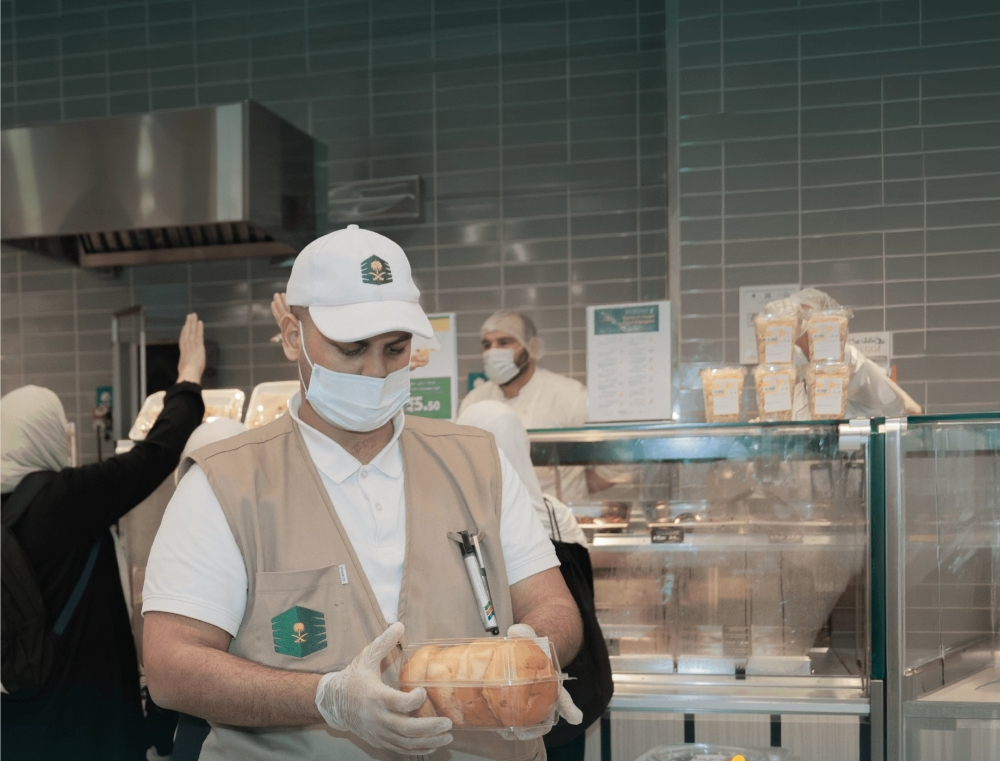
The Ministry of Municipalities and Housing, represented by the municipalities of Mecca, Medina, Jeddah, and Taif, announced the intensification of its field efforts during the holy month of Ramadan, having conducted more than 20,000 inspection tours during the first ten days of the month. These intensified efforts are part of seasonal operational plans aimed at ensuring the highest standards of health and food safety for pilgrims and residents of the holy cities.
A seasonal strategy to cope with population density
These efforts are particularly important given the temporal and spatial context of the event. The Kingdom of Saudi Arabia, and specifically the Two Holy Mosques, witnesses a massive influx of pilgrims and visitors during the holy month of Ramadan. This season represents the peak of commercial and food activity in the central area and its surroundings, necessitating a full mobilization of regulatory bodies. Historically, municipalities in these cities have launched proactive plans before the season begins, but the figures recorded this year reflect a significant improvement in the efficiency of field coverage and the speed of response, in order to keep pace with the increasing number of visitors, in line with the Kingdom's Vision objectives of facilitating the hosting of pilgrims to the Two Holy Mosques.
The impact of inspection tours on public health and quality of life
The importance of conducting any inspection tour extends beyond simply identifying violations; it encompasses broad health, economic, and social dimensions. From a health perspective, this rigorous oversight contributes to preventing foodborne illnesses, which is crucial in large gatherings to ensure the safety of pilgrims. Economically, enhanced compliance strengthens the reliability of services provided in the hospitality and restaurant sector, thereby boosting the competitiveness of the Saudi market. These efforts directly contribute to the Quality of Life Program, one of the Kingdom's Vision 2030 programs, which aims to improve the urban landscape and elevate the services offered to both residents and visitors.
Smart monitoring and violation detection mechanisms
The ministry explained that the inspections covered food, commercial, and health establishments, such as restaurants, cafes, markets, and shopping centers. The field teams employed a "smart monitoring" methodology, utilizing electronic systems to detect and address violations immediately. Efforts focused on verifying the safe handling and storage of food products, compliance with public hygiene requirements, and the validity of required licenses.
The ministry confirmed that these campaigns will continue throughout the holy month, with a special focus on densely populated areas, to ensure a safe and healthy environment that reflects the Kingdom’s honorable image in serving the guests of God.