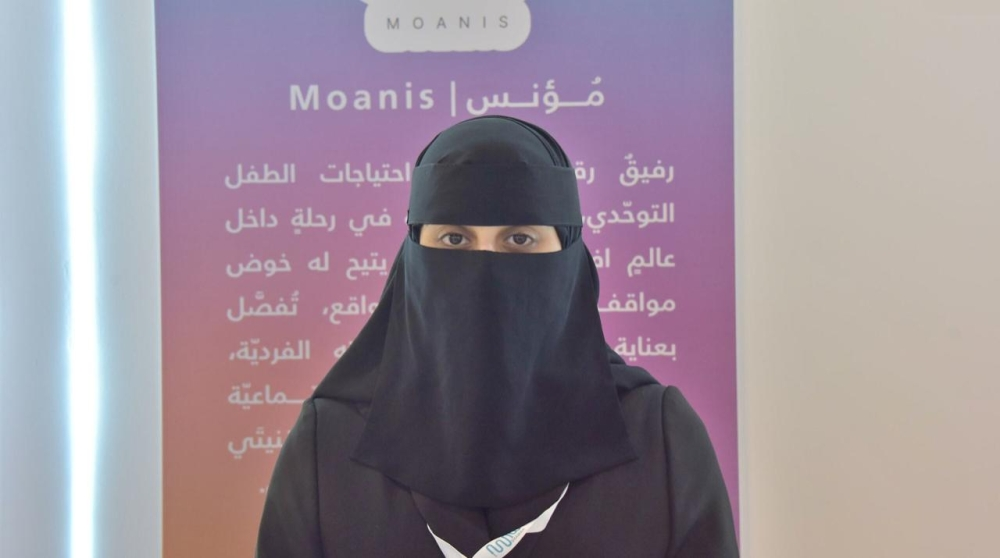
في خطوة رائدة تعكس التطور المتسارع لقطاع التقنية في المملكة العربية السعودية، كشفت عذبة الشعيبي، عضو فريق منصة «مؤنس»، عن ابتكار تقني وطني جديد يسخر قدرات الذكاء الاصطناعي وتقنيات الواقع الافتراضي لخدمة فئة غالية من المجتمع. يهدف هذا الابتكار إلى دمج أطفال التوحد في محيطهم الاجتماعي، من خلال خلق سيناريوهات محاكاة دقيقة للواقع تساعدهم على كسر حاجز الرهبة وتطوير مهاراتهم التفاعلية بطرق علمية مبتكرة.
سياق تقني يواكب رؤية المستقبل
يأتي إطلاق منصة «مؤنس» متناغماً مع التوجهات العالمية الحديثة التي تسعى لتوظيف الثورة الرقمية في تحسين جودة الحياة، وتحديداً في قطاع الرعاية الصحية والتأهيلية. كما ينسجم هذا المشروع مع مستهدفات رؤية المملكة 2030، التي تولي اهتماماً كبيراً بالتحول الرقمي ودعم الابتكارات التي تقدم حلولاً مستدامة للتحديات المجتمعية، مما يضع المملكة في مصاف الدول المتقدمة في مجال توظيف التقنية لخدمة الإنسان.
آلية عمل المنصة: رفيق رقمي ذكي
أوضحت الشعيبي أن المنصة تعمل بمثابة «رفيق رقمي» يلازم الطفل عبر الأجهزة الذكية، حيث تم تصميم بيئات افتراضية تحاكي البيئة الحقيقية بدقة متناهية. وتتميز المنصة بمرونة عالية تتيح تعديل المؤثرات البصرية والسمعية لتتناسب مع القدرات الحسية المتفاوتة لكل طفل، مما يوفر مساحة آمنة للتجربة والخطأ والتعلم دون ضغوط نفسية، وهو ما يعد ركيزة أساسية في برامج التدخل المبكر.
استجابة للحاجة المتزايدة وسد الفجوة
جاء تطوير هذا الابتكار استجابةً لبيانات وإحصائيات وزارة الصحة التي تشير إلى إصابة طفل واحد من بين كل 100 طفل بالتوحد في المملكة. هذا المعدل استدعى وجود حل تقني قابل للتوسع يواكب التزايد المستمر في الحالات، ويسهم في سد الفجوة الكبيرة بين العرض والطلب في خدمات الرعاية، خاصة مع الضغط المتزايد على المراكز التقليدية.
حلول عملية للمناطق النائية وتخفيف الأعباء
يستهدف المشروع بشكل مباشر إنهاء معاناة الأسر القاطنة في المناطق النائية والبعيدة عن المدن الرئيسية. فمن خلال توفير خدمات تأهيل المهارات داخل المنزل، تتغلب المنصة على تحديات ندرة المراكز المتخصصة وصعوبة التنقل التي تواجهها العائلات. وأكدت الشعيبي أن المنصة تتميز بتكلفة مادية منخفضة جداً مقارنة بالتكاليف الباهظة لجلسات العلاج السلوكي التقليدية، مما يرفع عن كاهل الأسر أعباءً مالية ضخمة دون التنازل عن جودة التدريب المقدم.
الأثر المتوقع ومستقبل التأهيل
بينت عضو فريق «مؤنس» أن التطبيق، ورغم أنه لا يقدم خدمات تشخيصية أو علاجية طبية، إلا أنه يركز حصرياً على الجانب التطويري للمهارات الحياتية والتفاعلية، مما يجعله أداة مساندة فعالة لتمكين الطفل من الاعتماد على الذات. وتدعم المنصة اللغتين العربية والإنجليزية لضمان شمولية الخدمة، معتمدة على شخصيات طفولية محببة تحول العملية التأهيلية من واجب ثقيل إلى تجربة ترفيهية ممتعة.
ويمثل هذا التطبيق نقلة نوعية في مفهوم «تأهيل الوالدين» أيضاً، حيث يتيح لهم متابعة تطور أطفالهم لحظياً عبر الهواتف المحمولة والأجهزة اللوحية، مما يعزز دور الأسرة كشريك أساسي وفعال في رحلة دمج طفل التوحد، ويؤسس لمرحلة جديدة من الرعاية المنزلية الذكية.