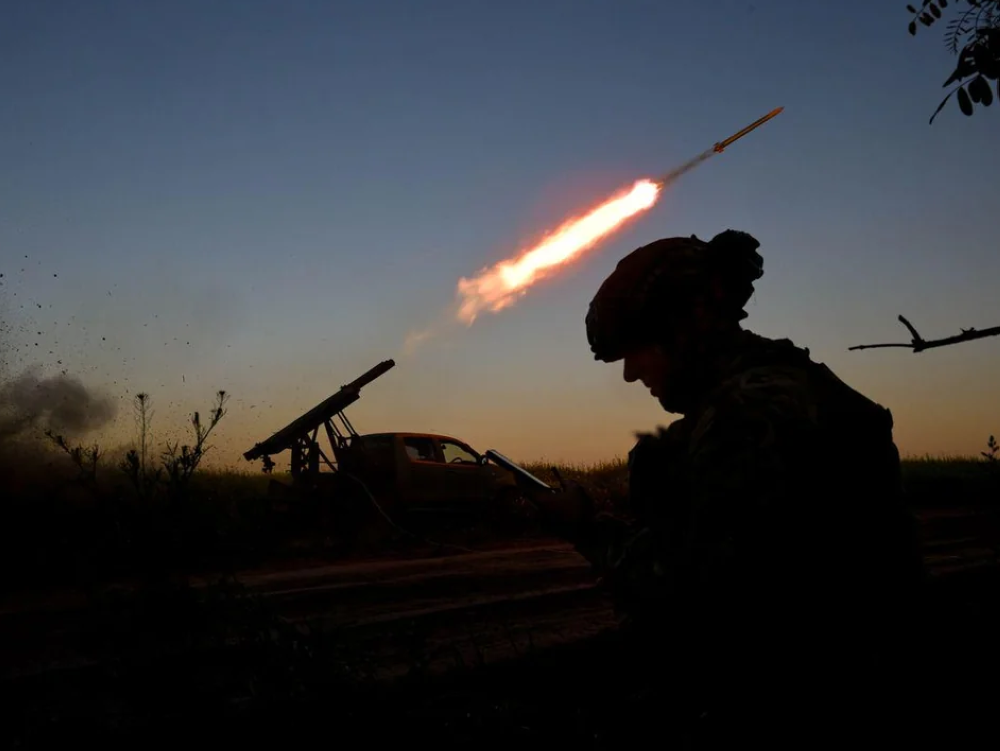
Moscow announced on Monday that progress was being made, albeit slowly, in talks with the United States aimed at ending the war in Ukraine. This announcement comes amid a tense diplomatic atmosphere, with Russia accusing other international actors of attempting to obstruct these peace efforts.
Russian accusations of malicious obstruction attempts
In the diplomatic arena, Moscow condemned what it described as "malicious" attempts to derail the negotiation process. This stance followed a round of intensive talks hosted by Miami over the weekend, which, despite their importance, failed to fully break the deadlock in the crisis.
Russian state media quoted Deputy Foreign Minister Sergei Ryabkov as saying that the two sides were making progress, albeit slowly. Ryabkov explicitly pointed to "extremely damaging and malicious attempts" by a group of influential countries—an implicit reference to European powers—to obstruct diplomatic efforts and derail the entire process.
The difference between the American and European positions
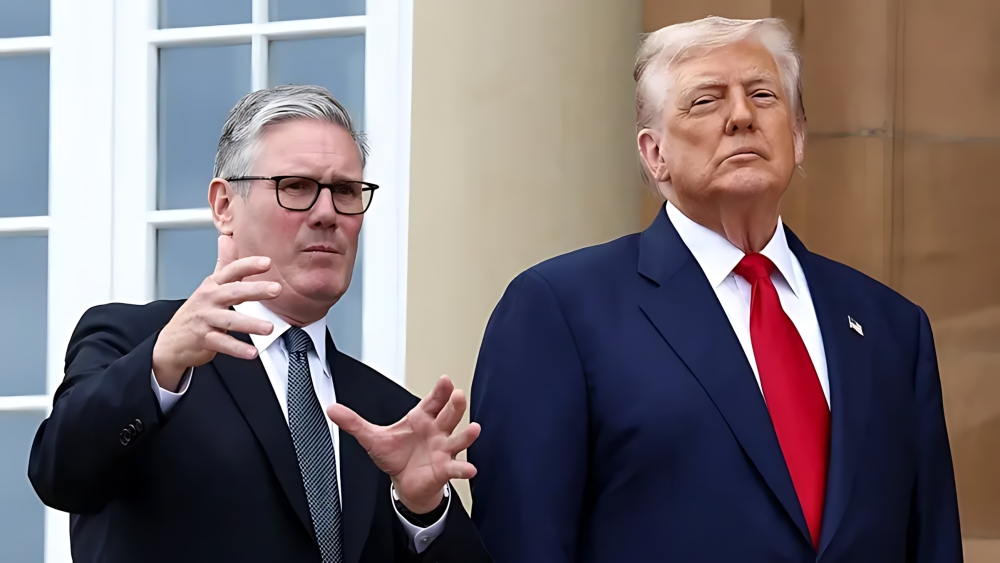
In a related context, the Russian official praised the efforts led by US President Donald Trump, describing them as aimed at finding "solutions that address the root causes of the conflict and are sustainable." This statement reflects Russian satisfaction with the current US approach compared to the hardline European positions.
Ryabkov sharply criticized the European stance on Washington's peace plan, which was presented about a month ago and is still under discussion. He said that a potential Russian-American understanding on Ukraine "is what our adversaries in Brussels and several European capitals fear," adding that they "cannot even in their worst nightmares imagine the results we are working towards," and emphasizing his country's determination to tirelessly continue along this path.
Behind the scenes of the Florida talks and the general context
Florida witnessed a new round of negotiations over the weekend regarding the American plan, adopting a mechanism of separate meetings. American officials met separately with the Russian and Ukrainian envoys in an attempt to bridge the differences.
Although this round did not lead to a tangible breakthrough or immediate results on the ground, both the United States and Ukraine described the discussions as "constructive," leaving the door open for future rounds that may bring more realistic solutions to end the conflict that has significantly affected regional and international stability since it began.
These negotiations are of paramount importance given the impact of the ongoing war on the global economy, energy markets, and food security, as well as the reshaping of geopolitical alliances between East and West, as the world awaits the outcome of these bilateral understandings between the world’s two largest nuclear powers.