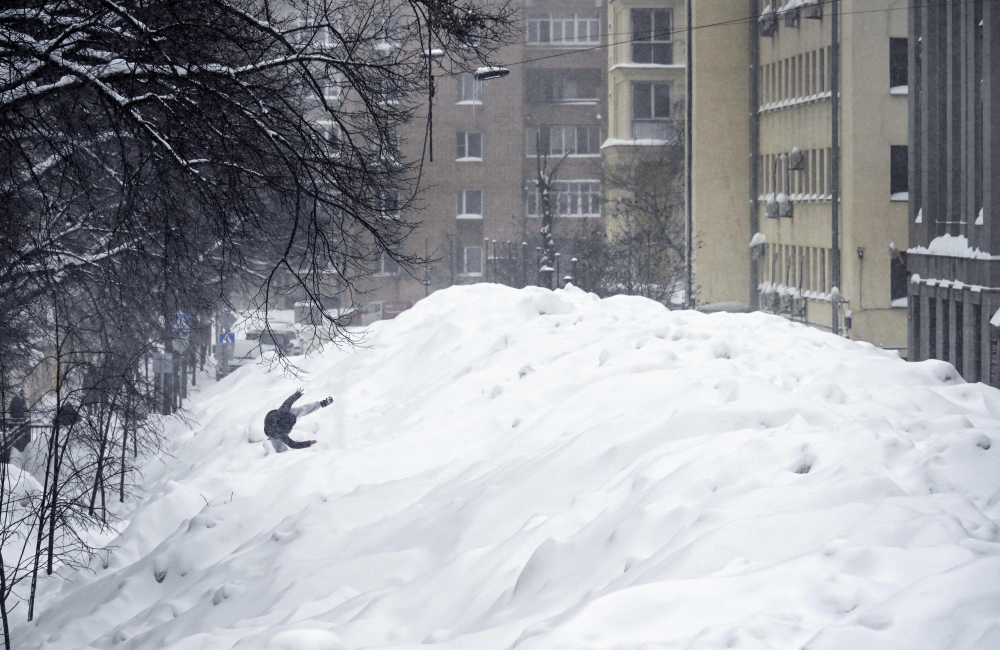
في حدث مناخي استثنائي، غطت الثلوج الكثيفة العاصمة الروسية موسكو خلال شهر يناير، مسجلةً أعلى معدل تساقط منذ أكثر من قرنين من الزمان، مما أدى إلى حالة من الشلل الجزئي في المدينة وأثار تساؤلات حول تأثير التغيرات المناخية العالمية.
وفقاً لبيانات رسمية صادرة عن خبراء الأرصاد الجوية في جامعة موسكو، شهدت المدينة ما يعادل 92 ميليمتراً من التساقطات في 29 يناير وحده، وهو رقم قياسي لم تشهده العاصمة منذ عام 1823. وقد تجاوز ارتفاع الثلوج المتراكمة في شوارع المدينة 60 سنتيمتراً، مصحوباً بانخفاض في درجات الحرارة بمقدار 1.5 درجة مئوية عن المعدل الموسمي البالغ -6.2 درجة في هذا الوقت من العام.
سياق تاريخي لـ “الجنرال شتاء”
تُعرف موسكو بشتاءها القارس، الذي لعب دوراً تاريخياً حاسماً في العديد من الأحداث، حتى أنه أُطلق عليه لقب “الجنرال شتاء” لقدرته على صد الجيوش الغازية. ومع ذلك، فإن هذه العاصفة الثلجية تتجاوز المألوف حتى بمعايير العاصمة الروسية. وأرجع العلماء هذه الظاهرة الجوية غير المسبوقة إلى عبور “أعاصير عميقة وواسعة النطاق” فوق المنطقة، مما أدى إلى تكثف الرطوبة وتساقطها على شكل ثلوج بهذه الغزارة. ويُعد هذا الحدث تذكيراً بقوة الطبيعة وقدرتها على تحطيم الأرقام القياسية المسجلة منذ قرون.
التأثيرات المحلية والإقليمية للعاصفة
كان لهذا التساقط الثلجي الهائل تأثير مباشر وشامل على الحياة اليومية في موسكو. واجهت المدينة التي يقطنها أكثر من 12 مليون نسمة تحديات لوجستية كبيرة، حيث تعطلت حركة المرور بشكل كبير في الشوارع الرئيسية والطرق السريعة. كما تأثرت حركة الطيران في مطارات موسكو الدولية الرئيسية (شيريميتيفو، دوموديدوفو، وفونوكوفو)، مع تأجيل وإلغاء العديد من الرحلات الجوية. وبذلت الخدمات البلدية جهوداً جبارة على مدار الساعة لإزالة الثلوج من الطرقات والأرصفة، مستخدمة آلاف المركبات المتخصصة لضمان استمرارية الخدمات الأساسية.
ظاهرة عالمية وتغيرات مناخية
يثير هذا الحدث المناخي المتطرف تساؤلات حول علاقته بظاهرة التغير المناخي العالمية. فبينما قد يبدو تساقط الثلوج بكثافة مناقضاً لمفهوم الاحتباس الحراري، يشير العديد من علماء المناخ إلى أن ارتفاع درجات حرارة الكوكب يؤدي إلى زيادة تبخر المياه من المحيطات، مما يعني أن الغلاف الجوي يصبح أكثر قدرة على حمل الرطوبة. وعندما تتوفر الظروف الباردة، يمكن أن تترجم هذه الرطوبة الزائدة إلى تساقطات ثلجية أكثر غزارة وكثافة. وبالتالي، فإن مثل هذه العواصف الثلجية التاريخية قد لا تكون مجرد ظاهرة نادرة، بل مؤشراً على أنماط طقس جديدة وأكثر تطرفاً في المستقبل، وهو ما تشهده مناطق مختلفة حول العالم.