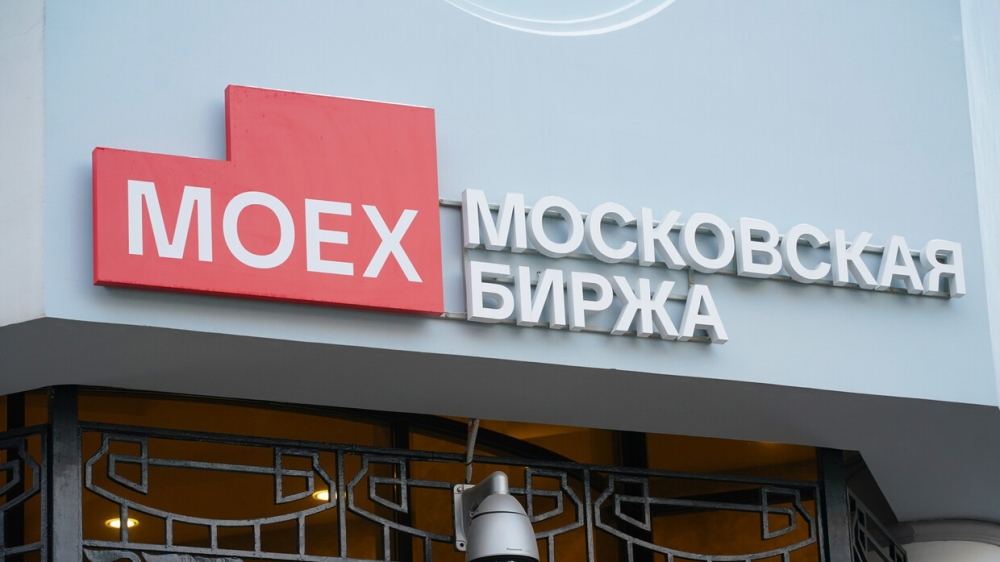
Russian stock markets saw slight fluctuations at the close of the week's trading, with the Moscow Exchange a notable decline in its main indices. The main index (MOEX) closed down 2.57 points on Friday, a drop of 0.09% compared to the previous day's close, settling at 2869.51 points. Meanwhile, the dollar-denominated RTS index finished with a sharper decline of 1.53%, losing approximately 17.53 points to reach 1126.77 points. This divergence in performance reflects the cautious stance of investors amidst current economic data.
Historical context and challenges facing the Moscow Stock Exchange
The Moscow Exchange is Russia's main financial center, established in its current form in 2011 following the merger of the MICEX and RTS exchanges. Historically, this financial market has reflected the strength of the Russian economy, which is heavily reliant on energy exports, particularly oil and gas. However, the Russian market has faced unprecedented challenges in recent years, especially since 2022, as a result of Western economic sanctions imposed on Moscow.
These sanctions led to a radical restructuring of trading patterns, with many foreign investors and Western financial institutions withdrawing, leaving the market almost entirely dependent on domestic investors and trading partners from allied countries. This historic shift made Russian stock indices more sensitive to domestic economic decisions, such as interest rates set by the Russian central bank and fluctuations in the ruble's exchange rate against foreign currencies.
Economic impacts of the decline in Russian stock markets
The decline in Russian stock indices carries significant implications at the local, regional, and international levels. Domestically, this slight drop reflects a cautious stance among Russian retail and institutional investors, particularly given the continued inflation and the central bank's tight monetary policies aimed at controlling prices. The larger decline in the RTS index compared to the MOEX highlights the impact of the weakening ruble, as the former is denominated in US dollars, making it a more accurate reflection of the value of Russian assets for remaining international investors.
Regionally and internationally, Russian stock markets remain a vital indicator for assessing the Russian economy's ability to adapt to sanctions. Despite relative financial isolation, the performance of major Russian companies, particularly in the energy and mining sectors, continues to influence global commodity markets. Any sustained decline in these indicators could reflect difficulties in financing major projects or a drop in export revenues, which economic analysts are closely monitoring to understand the trajectory of the Russian economy and its potential impact on global supply chains and future energy prices.