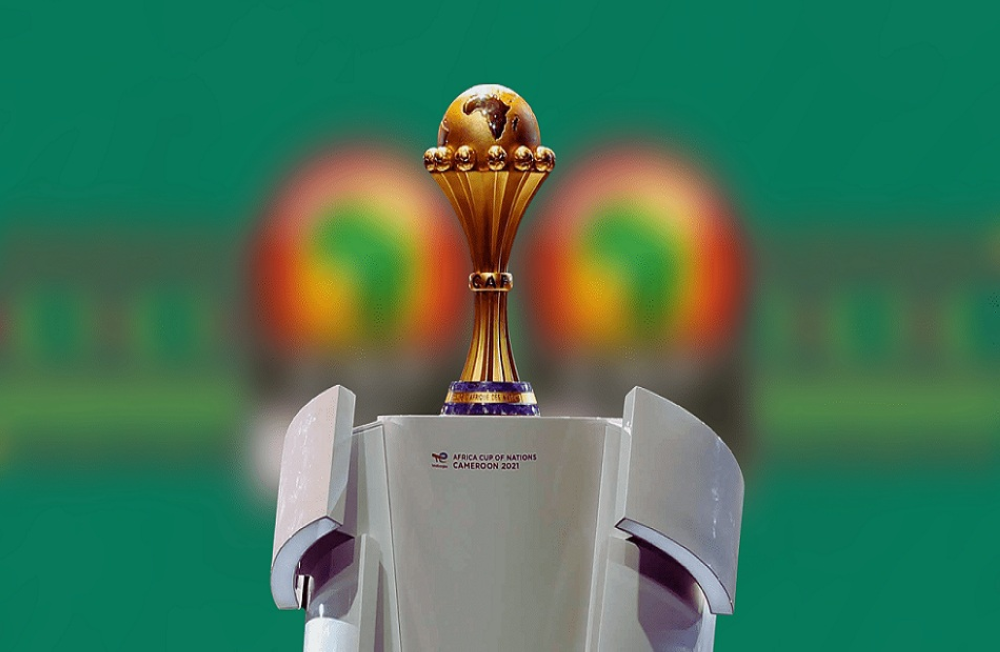
In an unprecedented move reflecting the Kingdom of Morocco's readiness to host major sporting events, the country is preparing to host the 35th edition of the Africa Cup of Nations, scheduled to take place between December 21 and January 18. This edition is distinguished by its organizational first, as the matches will be held in nine stadiums simultaneously, including four in the capital, Rabat, alone, placing Morocco at the forefront of African nations in terms of sports infrastructure.
The continental wedding returns to Morocco after decades
Morocco is hosting the continental tournament for the second time in its history, having first organized it in 1988. That historic edition was held in just two stadiums: the Mohammed V Stadium in Casablanca and the Prince Moulay Abdellah Stadium in Rabat, and ended with Cameroon winning the title. Today, Morocco returns to open its doors to Africa under entirely different circumstances and with a state-of-the-art infrastructure, surpassing previous standards that were often limited to four stadiums, or six as was the case in recent editions in Egypt (2019), Cameroon (2021), and Ivory Coast (2024), following the increase in the number of participating teams from 16 to 24.
A real rehearsal for the 2030 World Cup
The importance of this tournament extends beyond continental competition; it represents a pivotal step in Morocco's bid to host the 2030 FIFA World Cup in a joint bid with Spain and Portugal. Therefore, Morocco, aiming for its second title after its 1976 triumph, decided to hold the finals in nine newly renovated stadiums, completed in record time. These stadiums were strategically distributed across the north, center, and south of the country, facilitating fan movement and boosting sports tourism in the cities of Rabat, Casablanca, Fez, Tangier, Marrakech, and Agadir – the same cities slated to host World Cup matches.
Organizational precedent in Rabat and diversity in capacity
Morocco didn't just prepare the main stadiums; it also upgraded several secondary stadiums within the capital, Rabat, to serve as official match venues—a remarkable organizational first. These include the Post Office Stadium, the Olympic Stadium (designated for athletics), and the Prince Moulay Hassan Stadium. This variety of stadium sizes, ranging from large to medium, gives the organizing committee considerable flexibility in scheduling matches according to the popularity of the participating teams, ensuring full stadiums and creating an enthusiastic atmosphere befitting the reputation of African football.
A guide to the host stadiums and their details
Here is a comprehensive overview of the nine stadiums that will host the competitions:
- Prince Moulay Abdellah Sports Complex Stadium (Rabat): With a capacity of 69,500 seats, it will host the opening and final matches, and Morocco’s matches in Group A.
- The Post Office Stadium (Rabat): With a capacity of 18,000 seats, it will host matches from Groups 4 and 3.
- The Olympic Stadium Annex (Rabat): with a capacity of 21,000 seats, dedicated to the matches of Groups C and D.
- The Prince Moulay Hassan Sports Complex (Rabat): With a capacity of 22,000 seats, it will host Algeria's matches in Group E.
- The Mohammed V Sports Complex Stadium (Casablanca): with a capacity of 67,000 seats, will host the matches of Groups 1 and 5 and the ranking match.
- The large stadium in Agadir: with a capacity of 45,480 seats, dedicated to the matches of Groups B and F (including Egypt's matches).
- The Grand Stadium in Marrakech: with a capacity of 45,240 seats, will host Ivory Coast's matches in Groups B and F.
- The sports complex in Fez: with a capacity of 45,000 seats, will host Nigeria's matches in Group C.
- The Grand Stadium in Tangier: with a capacity of 68,000 seats, it will host Senegal's matches in Group D and the semi-final match.
Through this diverse lineup and world-class specifications, Morocco aspires to present an exceptional version and a strong message to the world about its readiness to host the World Cup final in the future in the huge stadium that is being built in Benslimane with a capacity of 105,000 spectators.