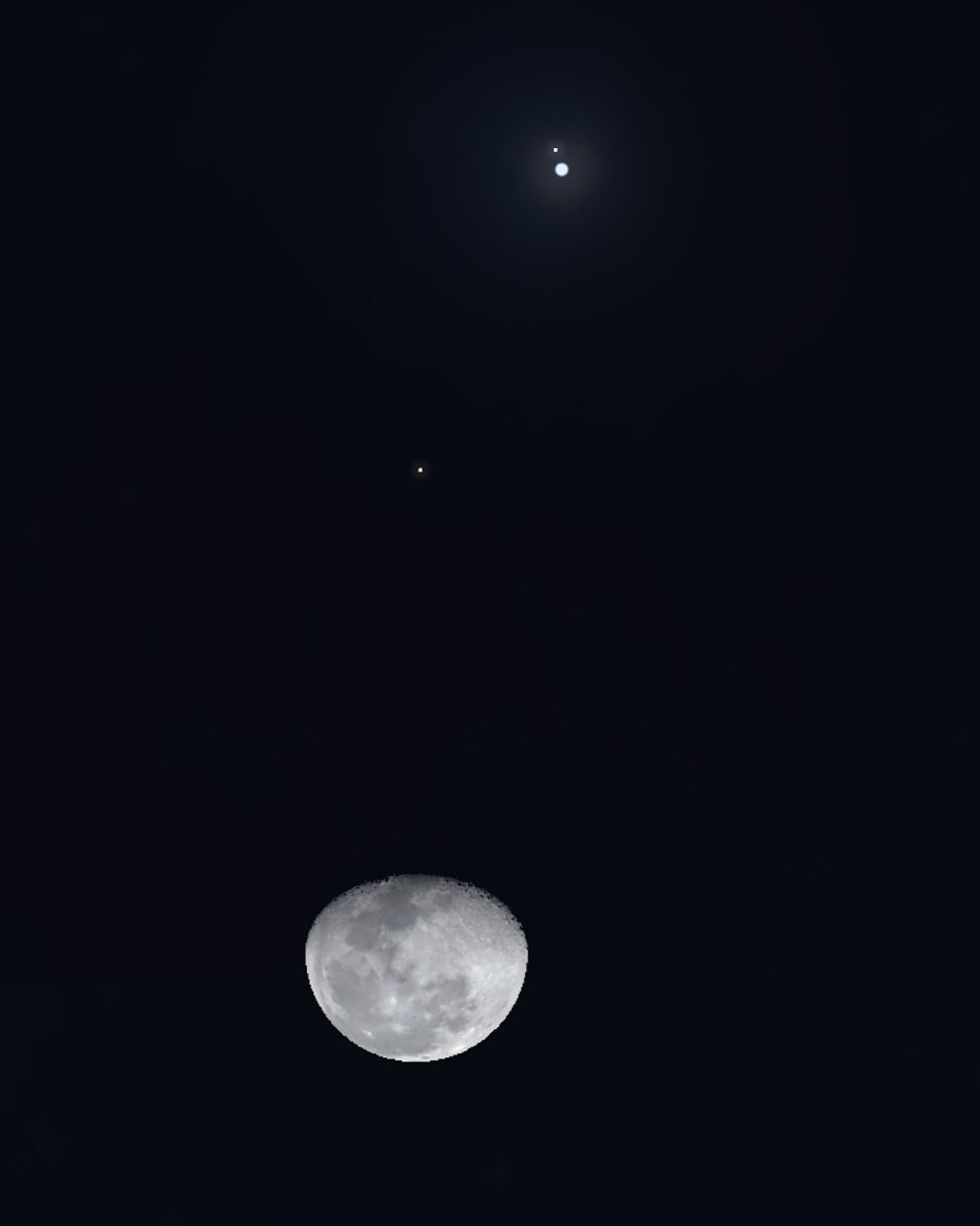
تشهد سماء الوطن العربي مساء اليوم الثلاثاء، الموافق 6 يناير 2026، حدثاً فلكياً بديعاً يجذب أنظار عشاق الفلك والمهتمين برصد الظواهر السماوية، حيث يرصد بسماء المنطقة اقتران القمر الأحدب المتناقص مع نجم "قلب الأسد" (Regulus)، وهو ألمع نجوم كوكبة الأسد. وتعد هذه الظاهرة فرصة مثالية للتصوير الفلكي والمشاهدة بالعين المجردة في الأجواء الصافية.
وأفاد المهندس ماجد أبوزاهرة، رئيس الجمعية الفلكية بجدة، بأن هذا الاقتران يمثل اصطفافاً ظاهرياً فقط من منظور الراصد على سطح الأرض، ولا يعكس تقارباً فيزيائياً حقيقياً في الفضاء. فبينما يبعد القمر عن كوكبنا مسافة متوسطة تبلغ حوالي 384,000 كيلومتر، يقع نجم قلب الأسد في أعماق الفضاء على مسافة تقدر بنحو 79 سنة ضوئية، مما يبرز عظمة الكون واتساعه الشاسع الذي يجمع بين جرمين متباعدين في مشهد بصري واحد.
وفي سياق الخصائص الفيزيائية للنجم، أوضح أبوزاهرة أن "قلب الأسد" يصنف ضمن نجوم القدر الأول، ويتميز بلونه الأزرق المائل للبياض، وهو نجم يافع وشديد الحرارة من الفئة الطيفية B7. وتشير الدراسات الفلكية إلى أن كتلته تفوق كتلة شمسنا بنحو 3.5 مرة، بينما يزيد لمعانه الحقيقي عن الشمس بحوالي 360 مرة. ومن السمات المثيرة لهذا النجم دورانه المحوري السريع جداً، حيث يكمل دورة حول نفسه في أقل من 16 ساعة، مما يجعله مفلطح الشكل عند القطبين ومنتفخاً عند خط الاستواء، وهي ظاهرة فيزيائية تعرف بالتفلطح الناتج عن الدوران السريع.
تاريخياً، يحمل نجم قلب الأسد مكانة خاصة في الموروث الثقافي الإنساني؛ فقد عرفته الحضارات القديمة كواحد من "النجوم الملكية" الأربعة عند الفرس القدماء، والتي كانت تستخدم لتقسيم السنة وتحديد الفصول، حيث كان يُعرف بـ "حارس الشمال". كما أطلق عليه العرب اسم "قلب الأسد" لوقوعه في منطقة الصدر من تخطيط كوكبة الأسد، وارتبطت رؤيته قديماً بمواقيت الزراعة وتغيرات الطقس، مما يعكس الارتباط الوثيق بين الإنسان وحركة النجوم عبر العصور.
ومن الناحية الرصدية، يُعد هذا النجم جزءاً أساسياً من النمط النجمي المعروف باسم "المنجل"، الذي يشبه علامة الاستفهام المقلوبة ويمثل رأس وصدر الأسد. ونظراً لوقوع قلب الأسد قريباً جداً من دائرة البروج (مسار الشمس الظاهري)، فإنه يتعرض بانتظام لاقترانات مع القمر والكواكب السيارة، وفي حالات نادرة قد يحدث له احتجاب، حيث يختفي خلف قرص القمر لفترة وجيزة، وهي ظواهر تقدم بيانات قيمة للفلكيين حول مدار القمر وحركته.
ويؤكد الخبراء أن مثل هذه الظواهر الفلكية ليس لها أي تأثيرات جيولوجية أو مناخية على الأرض، مثل الزلازل أو البراكين، كما تروج بعض الشائعات غير العلمية. إنما تكمن أهميتها في الجانب التعليمي والتثقيفي، حيث تتيح للهواة فهم ميكانيكا السماء وتحديد مواقع النجوم والكوكبات بوضوح، مما يعزز الوعي العلمي بثقافة الفلك في المجتمع.