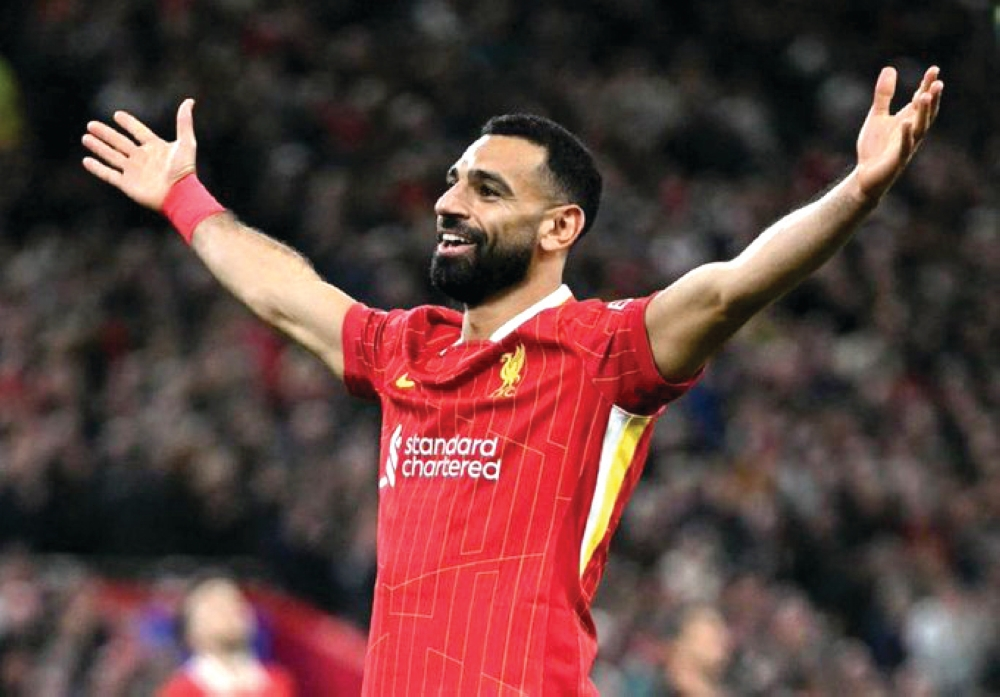
Liverpool manager Jurgen Klopp has sparked debate and speculation about the future of Egyptian star Mohamed Salah after his surprise decision to bench him in crucial matches, most recently against West Ham United in the Premier League. While Klopp attempted to downplay the incident in his post-match press conference, Salah's body language and reactions have fueled speculation about the "Egyptian King's" future at Anfield.
General context and historical background
Mohamed Salah is more than just a Liverpool player; he's a club icon and one of its all-time leading scorers in the Premier League era. Since joining in 2017, Salah has been a cornerstone of the team's success, leading them to Champions League and Premier League titles after a long drought. Therefore, seeing him on the bench for such a crucial match isn't just a routine tactical decision, but a potentially significant message. Klopp is known for his strict style and tactics that rely on high pressing and squad rotation to maintain fitness, but leaving out a star of Salah's caliber at such a critical juncture in the season raises questions about possible tactical or personal disagreements.
Coach's statements and reactions
In response to journalists' questions, Klopp sought to defuse the situation, praising Salah's professionalism. He said, "It's a natural reaction from a top player who always wants to play. He has been outstanding for this club for many years and will continue to be." The German manager added, "He wasn't the only one unhappy about not starting. The way he reacted is what you'd expect from a professional like him. Mohamed Salah is very disciplined and knows what he needs to do to maintain his peak physical condition." Despite these positive comments, Klopp stopped short of definitively confirming Salah's return to the starting lineup, leaving all possibilities open.
The importance of the event and its expected impact
The impact of this decision extends far beyond the outcome of a single match. Domestically, any absence of Salah from the starting lineup directly affects Liverpool's attacking prowess and their ability to win games, especially given the fierce competition for the league title. Globally, Salah is not just a footballer; he is an ambassador for Arab and African sport. Any news concerning him receives massive media and public attention, and decisions like this fuel speculation about his future, particularly with the continued interest from Saudi Arabian clubs. Furthermore, the approaching international tournaments, such as the Africa Cup of Nations, puts additional pressure on the relationship between the club and the player, as his prolonged absence presents a significant challenge to the team's plans.
In conclusion, the coming days will be crucial in revealing what's really happening within Liverpool's walls. Was Klopp's decision merely a tactical move to rest his star player, or does it signal an upcoming shift in the team's dynamics? The answer will be revealed on the pitch, where Salah's return to his usual brilliance will be the strongest response to all doubts.