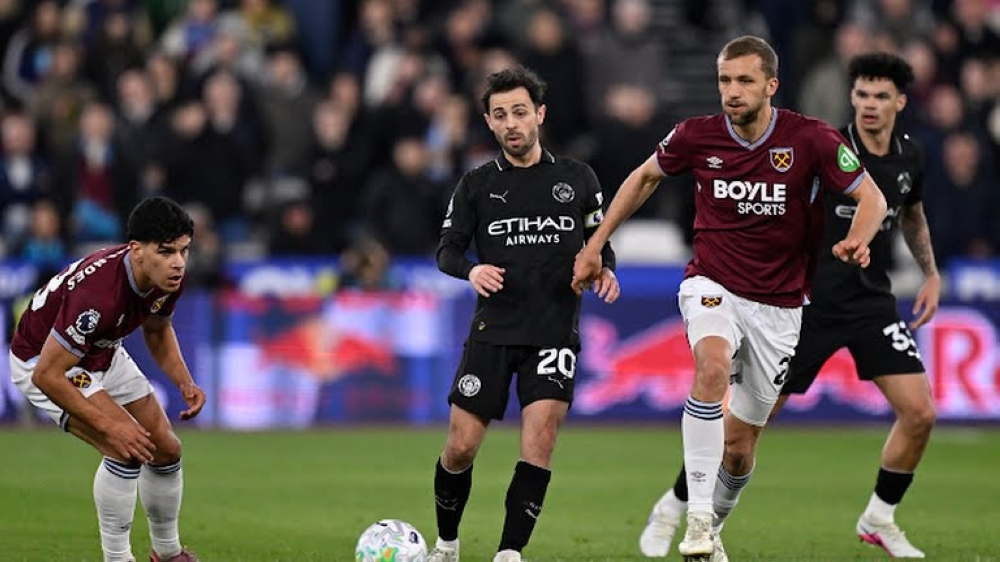
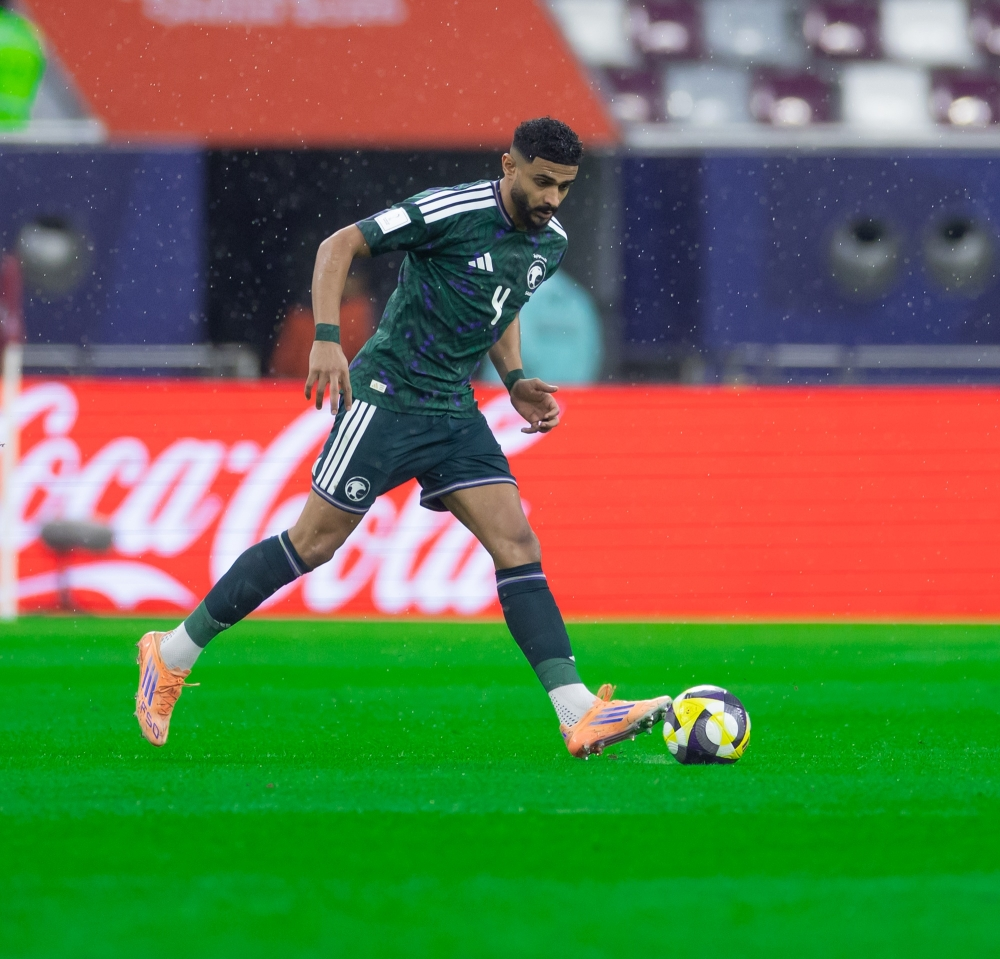
Egyptian star Mohamed Salah, winger for Liverpool FC, was visibly tense and angry after his team’s match against Leeds United, which took place as part of the fourteenth round of the English Premier League at Elland Road, Leeds’ home ground.
According to footage from cameras and sources inside the stadium, as soon as the referee blew the final whistle, Mohamed Salah left the pitch immediately and headed straight to the dressing room, visibly upset. This intense anger stemmed from his exclusion from the match, which saw his team stumble to a draw, further fueling the frustration of the team's top scorer, who always aspires to be on the field to help his teammates.
A series of absences raises questions
The Egyptian Pharaoh's anger wasn't a sudden outburst, but rather the culmination of years of frustration after being left out of Liverpool's starting lineup for the third consecutive match. Reports indicate that Salah was not a starter in previous games, including against West Ham United, Sunderland, and most recently, Leeds United. This repeated absence of a star of Salah's caliber, who is accustomed to breaking records and competing for the Golden Boot, raises numerous questions about the tactical decisions and the impact of rotation policies on the morale of key players.
Context of the event and its impact on the team
This incident takes on particular significance given Liverpool's position in the league table and the fierce competition in the English Premier League. The match ended in a thrilling 3-3 draw, a result that felt like a loss of two valuable points in the title race. The absence of the decisive attacking solutions that Salah usually provides in such crucial moments made his angry reaction understandable to many analysts, as the player believes he is capable of changing the course of the game if given the opportunity.
Psychological and artistic dimensions
Mohamed Salah is known for his immense passion for football and his aversion to being on the bench, a characteristic shared by legends of the game who always strive to make their mark every minute. This anger reflects the player's unbridled desire to win, not merely a rebellion against decisions, which presents the coaching staff with a significant challenge in managing the star player's frustration while maintaining the team's tactical balance. The continuation of such tensions could negatively impact the stability of the dressing room, necessitating swift intervention to calm the atmosphere and ensure everyone remains focused on upcoming domestic and European competitions.