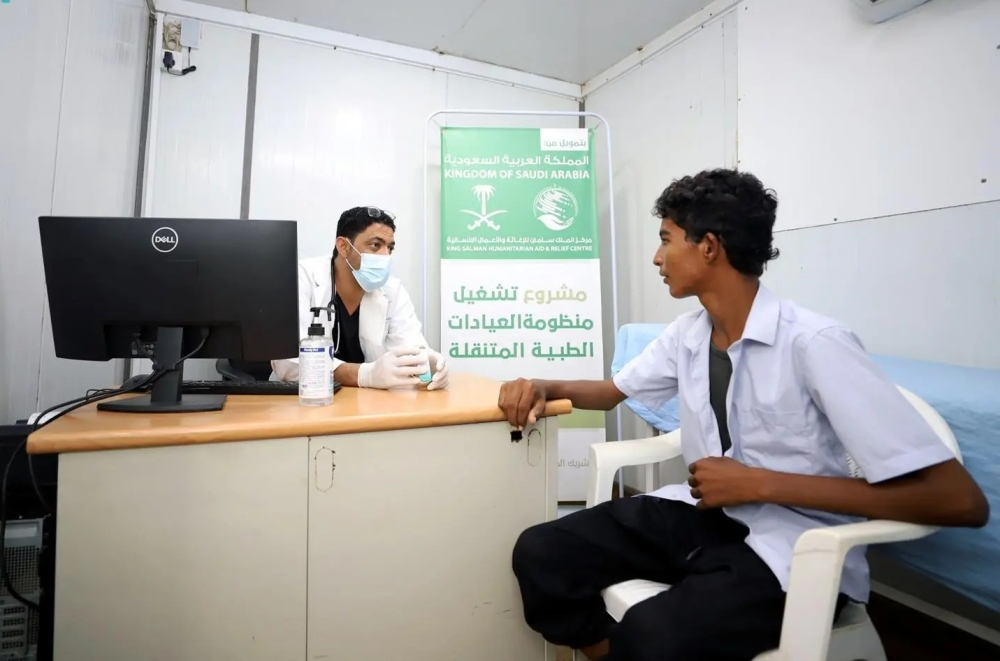
As part of the ongoing humanitarian and relief efforts provided by the Kingdom of Saudi Arabia to support the brotherly Yemeni people, the mobile medical clinics in Abs, operated by the King Salman Humanitarian Aid and Relief Center, continued to provide their medical and treatment services. During the month of February, these clinics were able to provide comprehensive healthcare to 679 beneficiaries in the Abs district of Hajjah Governorate, reflecting the Kingdom's unwavering commitment to alleviating human suffering and providing essential healthcare to the most vulnerable and needy groups.
The humanitarian context and healthcare challenges in Yemen
Yemen has been experiencing a severe humanitarian crisis for years, considered one of the worst in the world, which has had a devastating impact on all vital sectors, most notably the health sector. The ongoing conflict has destroyed a large part of the infrastructure of hospitals and medical facilities, leaving millions of people facing extreme difficulties in accessing basic medical care.
In Hajjah Governorate, specifically in Abs District, which hosts a large number of internally displaced persons, there is a dire need for urgent medical interventions to address the outbreak of diseases and epidemics and the shortage of medicines. This is why the initiative to establish mobile clinics emerged as a practical and effective solution to reach patients in their areas and provide them with the necessary care amidst the collapse of the local health system.
Details of treatment services at mobile medical clinics in Abs
The mobile medical clinics in Abs offer a variety of services, encompassing different medical specialties that address both the emergency and chronic needs of patients. According to statistics for February, the infectious disease control clinic received the largest number of patients, with 454 beneficiaries, reflecting the vital role these clinics play in curbing the spread of epidemics that threaten the lives of the population.
The emergency clinic provided services to 67 individuals, while the internal medicine clinic saw 154 patients who received the necessary examinations and treatments. The clinics also addressed reproductive health, registering one case in this department, in addition to three cases referred to the health education and awareness department, which plays a vital role in disseminating preventative awareness among community members.
Accompanying services and dispensing medications to patients
In addition to medical examinations, the clinics place great emphasis on complementary services that ensure the completion of the treatment cycle. In this context, the nursing services clinic received 136 patients, and two activities were carried out to ensure the safe disposal of medical waste, thus maintaining a healthy environment free from contamination and infection. Regarding medication provision, free medication was dispensed to 672 patients, relieving them of the burden of high drug costs. The surgery and dressing department also treated five individuals for their wounds and injuries.
The local and regional impact of the King Salman Relief Center's efforts
These medical interventions are of great importance and have a multifaceted impact. At the local level, these clinics contribute directly to saving lives, reducing mortality rates from treatable diseases, and improving the quality of life for displaced people and host communities in Abs district.
At the regional and international levels, the continuation of these projects highlights the leading role of the Kingdom of Saudi Arabia in global humanitarian work. These efforts complement the endeavors of international organizations such as the World Health Organization and UNICEF, and alleviate the burden on the international community in addressing the repercussions of the Yemeni crisis, reinforcing the message of cross-border humanitarian solidarity to ensure the region's health and social stability and security.