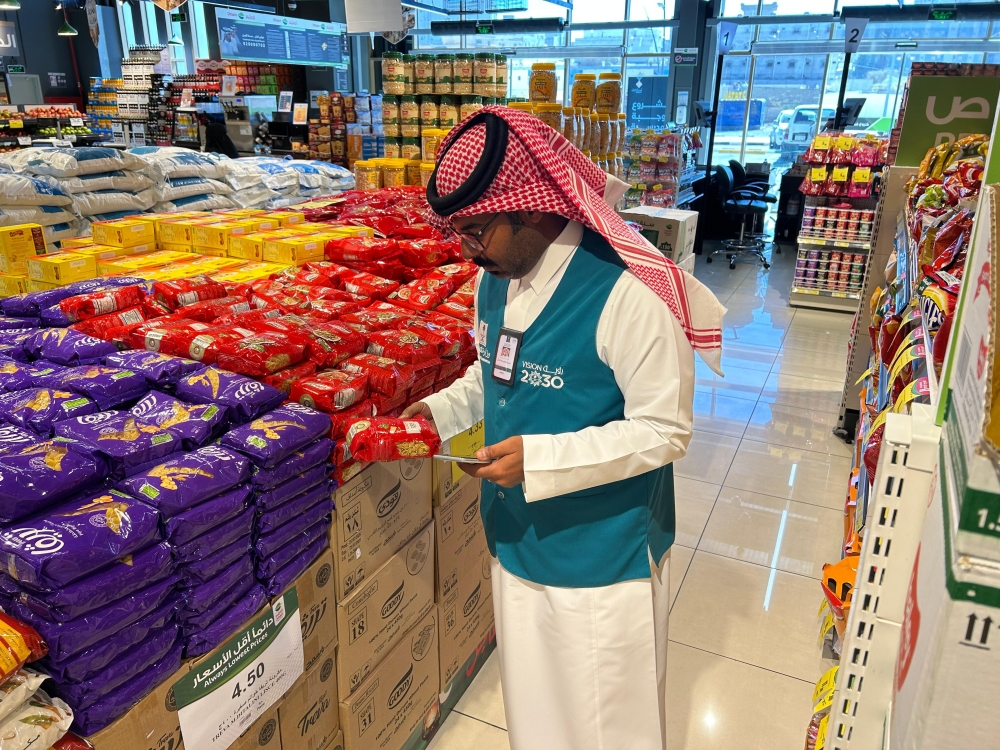
The Saudi Ministry of Commerce announced that its inspection teams conducted more than 10,192 inspection visits to commercial establishments across the Kingdom during the first week of Ramadan. These intensified efforts are part of the Ministry's seasonal plan, which aims to ensure market stability and protect consumer rights during this period of peak purchasing activity.
Historical background and regulatory context
Monitoring campaigns during Ramadan are a well-established annual practice for the Ministry of Commerce and other relevant government agencies in the Kingdom of Saudi Arabia. Historically, the holy month witnesses a significant shift in consumption patterns, with a substantial increase in demand for food, supplies, and traditional Ramadan products. This surge in demand can sometimes lead to negative practices such as unjustified price hikes, commercial fraud, or the sale of expired products. Therefore, the Ministry works proactively throughout the year, intensifying its efforts during key seasons like Ramadan and Hajj, to ensure market compliance with regulations and to protect consumers.
The importance of the campaign and its expected impact
These inspection tours are of paramount importance on several levels. Locally, they aim to reassure consumers, both citizens and residents, by ensuring the availability of essential goods and their alternatives at fair prices, thus preventing any shortages or price manipulation. These campaigns also contribute to strengthening consumer confidence in the local market and government procedures, encouraging them to report any violations through official channels. On a broader economic level, these measures ensure a fair and competitive business environment, support compliant businesses, and curb monopolistic practices that could harm the national economy. These efforts positively impact the Kingdom's reputation as a stable and well-regulated investment environment that prioritizes consumer protection, aligning with the goals of Saudi Vision 2030, which aims to improve quality of life and enhance market transparency.
Details of the oversight plan
The Ministry explained that its comprehensive monitoring plan focuses on ensuring the availability of high-demand goods and products, verifying that commercial establishments comply with regulations, including the Anti-Commercial Fraud Law, the Commercial Data Law, and the requirement to display price tags on goods. The inspections also include identifying any instances of fraud or deception in promotional offers, which are prevalent during this season, and ensuring that products conform to approved specifications and standards to guarantee consumer safety. The Ministry continues its ongoing monitoring of commercial centers and retail outlets' compliance with approved sales regulations, emphasizing that it will not hesitate to apply the prescribed penalties to violators.