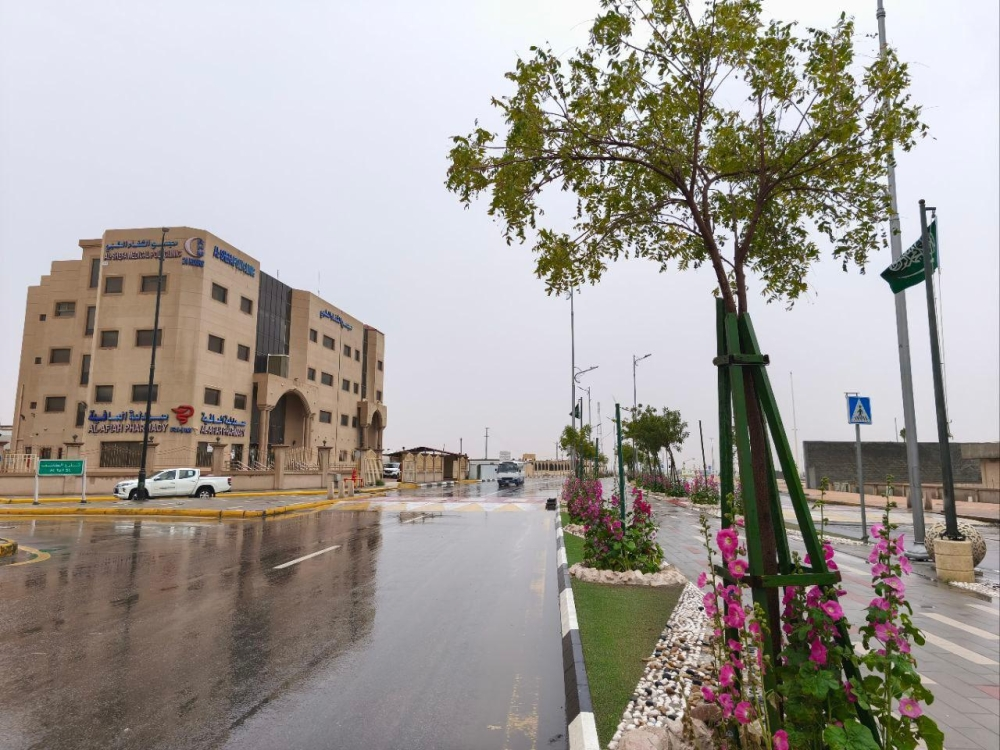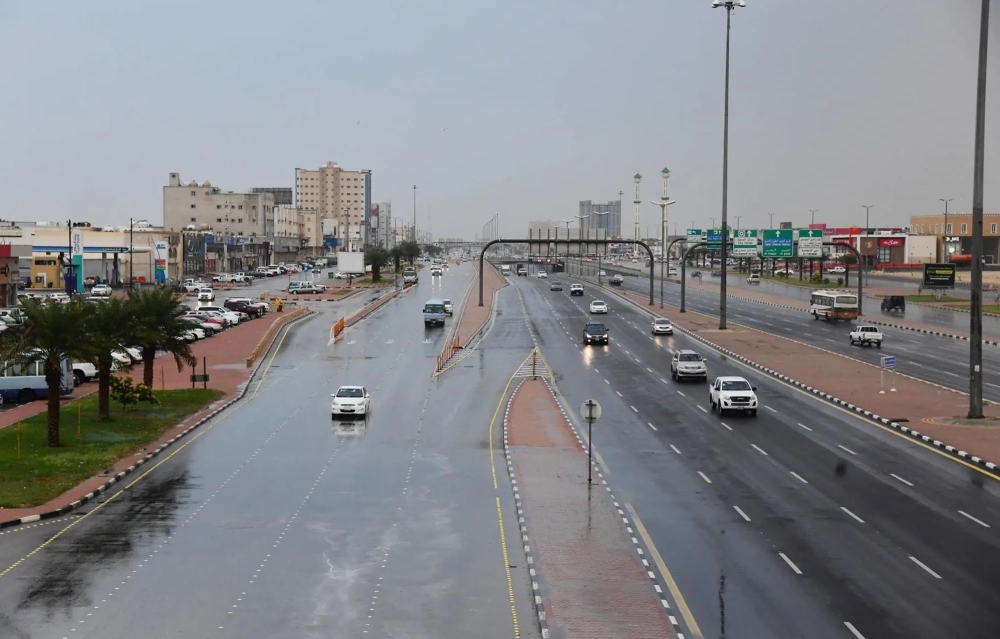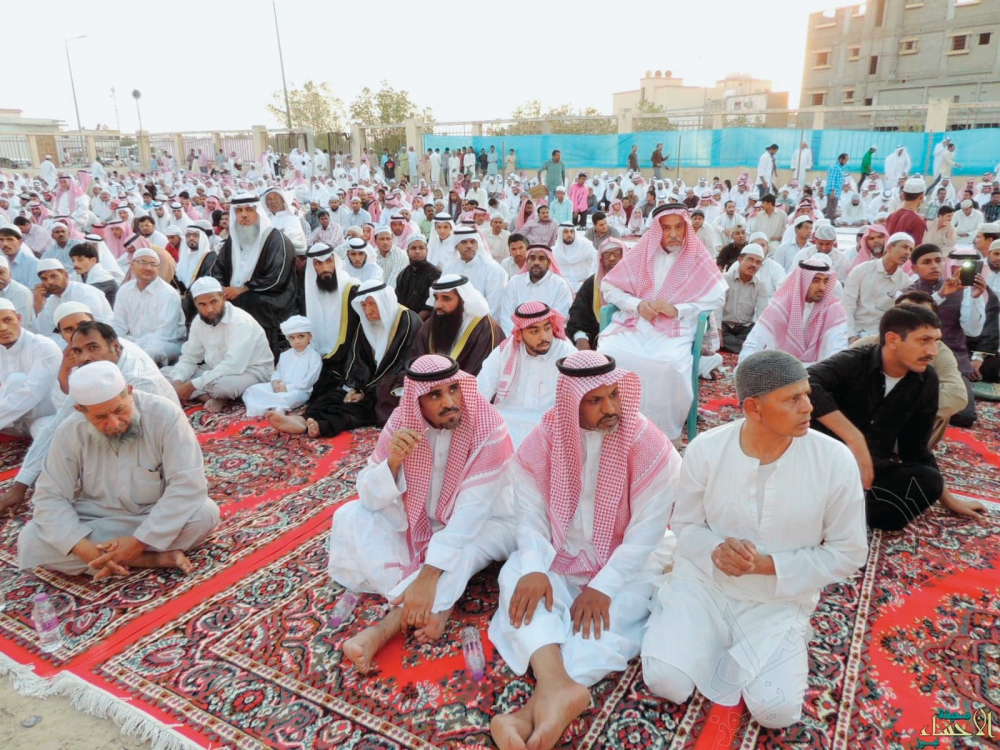
In light of the unstable weather conditions affecting the Kingdom of Saudi Arabia, the Ministry of Islamic Affairs, Dawah and Guidance issued important and decisive directives regarding the performance of Eid al-Fitr prayers for the year 1447 AH. This proactive step comes in response to updates and reports issued by the National Center for Meteorology, which predicted heavy rainfall across most regions of the Kingdom during the Eid holidays. Out of concern for the safety of worshippers, the wise leadership and relevant authorities have taken all necessary precautions to ensure the performance of the rituals in a safe and fully prepared environment.
The Prophet's Sunnah and dealing with climate change
The Eid prayer is considered one of the great Islamic rituals that demonstrates the unity of Muslims and their joy in completing the act of worship. Since the dawn of Islamic history, the purified Sunnah of the Prophet has dictated performing this prayer in open squares and outdoor prayer areas (khala') to showcase the ritual and accommodate the largest possible number of Muslims. However, Islamic law is characterized by its high degree of flexibility and pragmatism in dealing with unforeseen circumstances and climatic changes.
Historically, numerous accounts confirm that the Prophet Muhammad (peace be upon him) and the Rightly Guided Caliphs after him directed that prayers be held inside covered mosques and prayer halls in cases of compelling circumstances such as heavy rain or mud, in order to alleviate hardship for Muslims. This sound legal principle is the basis upon which the Ministry of Islamic Affairs bases its decisions today, skillfully balancing the preservation of religious observances with the paramount legal objective of preserving life and averting harm.
The importance of proactive measures and their societal impact
The importance of these directives extends beyond mere regulation, encompassing a local and regional impact that reflects the advanced state of crisis and crowd management in the Kingdom of Saudi Arabia. Locally, these measures ensure the peace of mind of citizens and residents, enabling them to plan their Eid celebrations effectively without the risks associated with slips or accidents related to large gatherings in open areas during rainfall. Furthermore, the high level of coordination between the Ministry of Islamic Affairs and the National Center of Meteorology highlights the efficiency of government agencies in utilizing technology and climate data to serve the community.
Regionally and internationally, the Kingdom presents a model to be emulated in its comprehensive care for pilgrims and worshippers, emphasizing that human safety is its top priority. This institutional approach enhances confidence in government procedures and ensures that major religious events proceed smoothly, free from any disruptions caused by unforeseen weather conditions.
Map of Eid al-Fitr prayer locations in the regions of the Kingdom
Based on weather data, the Ministry provided detailed information regarding the locations for Eid al-Fitr prayers in various provinces. It was decided that prayers would be limited to mosques only in several key regions, including: Madinah, Riyadh, the Eastern Province, Tabuk, Hail, the Northern Borders, Najran, and Al-Jawf.
In the Makkah region, prayers will be held only in mosques in the holy city and most of the surrounding governorates, with the exception of Jeddah, Al-Qunfudhah, Al-Lith, and Bahrah, where prayers will be held in both open prayer grounds and mosques. In the Qassim region, mosques, in addition to the northern prayer ground in the city of Buraydah, have been designated for prayer.
In the southern regions, which have unique geographical features, such as the Asir region, prayers will be held in mosques in the city of Abha and most of the governorates, with the option of holding them in prayer halls in some centers like Al-Haridah, Al-Qahmah, and Al-Farshah. Similarly, in the Jazan region, mosques have been designated for the city of Jazan, while prayer halls will be used in the governorates of Ad-Darb, Baysh, Sabya, Abu Arish, and Ahad Al-Masarihah.
Finally, in the Al-Baha region, prayers are limited to mosques in the city and most of the governorates, with specific exceptions including the main prayer areas in Al-Hujrah (Jarda Bani Ali Center), Qalwah (Al-Ghabsha Prayer Area), Al-Makhwah (Nawan Center), Al-Aqiq (Al-Mushairif and Abad Prayer Areas and Kara Center), and Al-Qura (Mashuqah Center). The Ministry concluded its statement by emphasizing the necessity for all worshippers to adhere to the guidelines and follow official updates to ensure that worship is performed in a safe and stable environment.