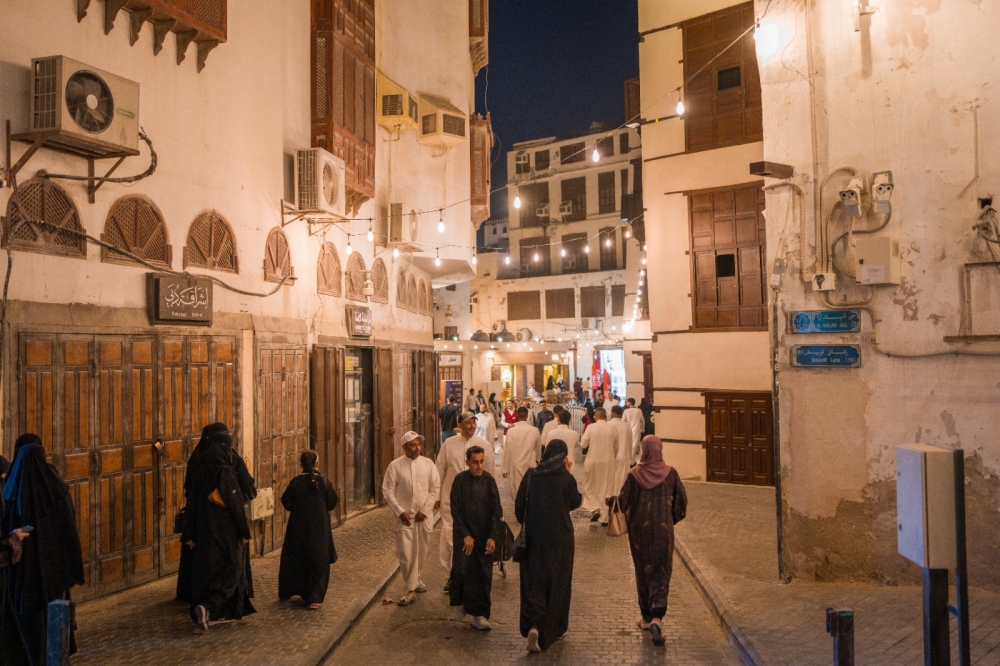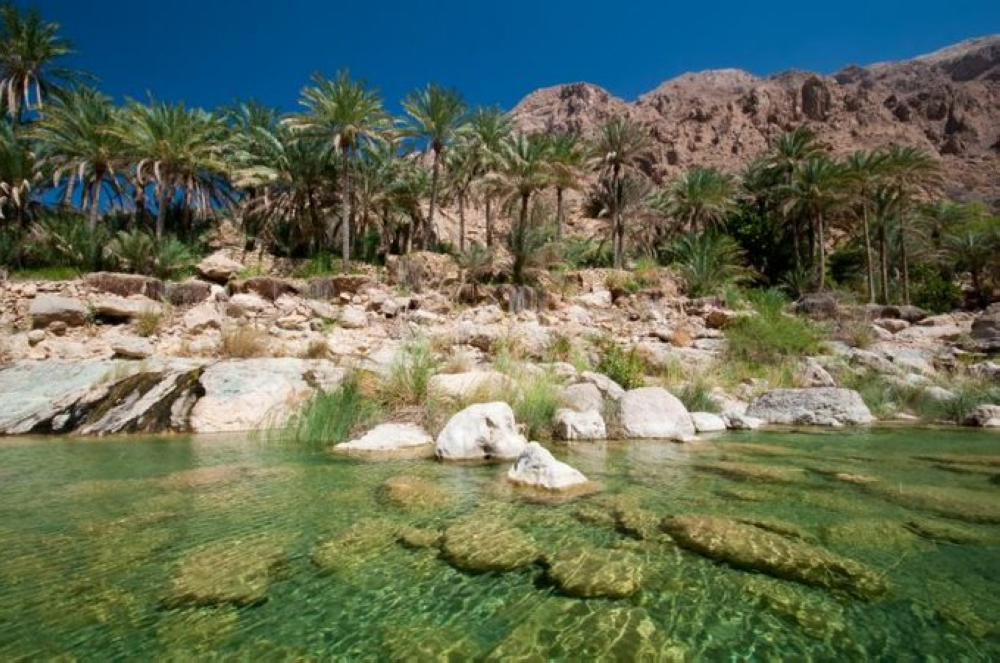
In a strategic move aimed at preserving national memory, the Saudi Ministry of Culture announced the completion of a project to inventory, document, and archive intangible cultural heritage in Al-Ahsa Governorate. This announcement culminated intensive efforts that included specialized workshops and comprehensive field surveys, with the participation of a select group of stakeholders, experts, local practitioners, and representatives of relevant organizations.
Al-Ahsa: Historical depth and cultural significance
The selection of Al-Ahsa as a model for this project is not arbitrary; the province boasts a rich and ancient cultural heritage. It is home to the world's largest palm oasis and is a UNESCO World Heritage Site recognized as a thriving cultural landscape. Furthermore, Al-Ahsa is a member of UNESCO's Creative Cities Network in the field of crafts and folk arts. This historical depth has made it a fertile ground for a diverse range of intangible heritage, from traditional agricultural arts related to palm trees and irrigation, to renowned handicrafts such as weaving the traditional Al-Ahsa bisht (cloak) and pottery making, as well as the performing arts and folk songs that characterize the region.
Project details and documentation methodology
The project included a thorough field survey covering various cities and villages in Al-Ahsa, where specialized teams worked to identify and document elements of intangible cultural heritage according to international standards. The documentation process included:
- Oral traditions and forms of linguistic expression.
- Traditional performing arts and social practices.
- Rituals, celebrations, and seasonal events.
- Knowledge and practices relating to nature and the universe.
- Skills associated with traditional craft arts.
Strategic importance and expected impact
This project holds immense importance that extends far beyond the local level. Documenting this heritage strengthens Saudi Arabia's submissions to UNESCO for the inscription of new elements on the Representative List of the Intangible Cultural Heritage of Humanity. Locally, the project ensures the transmission of this knowledge and these skills to future generations, protecting them from being lost in the face of rapid globalization. Economically, this documentation provides a fundamental database that can be leveraged in the cultural tourism sector, thereby boosting the region's economic returns and supporting local artisans.
In line with the Kingdom's Vision 2030
This cultural movement is perfectly aligned with the goals of the Kingdom's Vision 2030, which places particular emphasis on strengthening national identity and pride in Saudi cultural heritage. Through these initiatives, the Ministry of Culture is working to digitize cultural content and make it available to researchers and interested parties worldwide, thus solidifying the Kingdom's position as a leading global cultural destination and reaffirming its commitment to international agreements for the preservation of heritage.