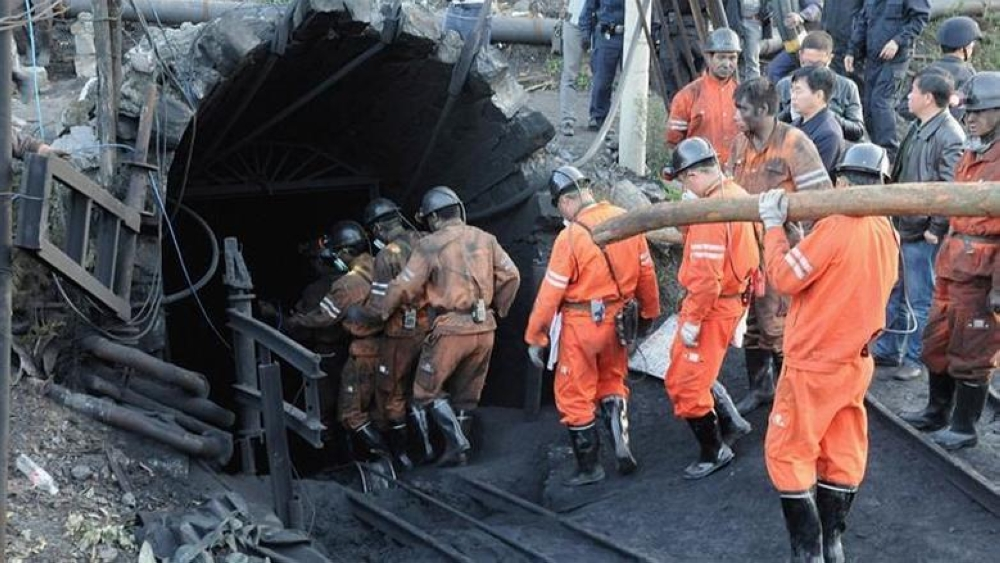
In a tragic incident highlighting the grave dangers faced by workers in the traditional mining sector, four miners died of asphyxiation in Badakhshan province, northern Afghanistan. The accident occurred while the workers were extracting precious stones; toxic fumes from the machinery they were using caused their deaths underground.
Details of the incident in Badakhshan
The spokesman for the Badakhshan provincial police, Ehsanullah Kamar, confirmed to AFP that the tragedy occurred specifically in the Khash district. The security official explained that the workers were searching for precious stones deep inside the mine when they died after inhaling thick fumes from a stone-crushing machine operating within the narrow tunnel, which depleted their oxygen and caused them to suffocate instantly.
Local authorities have not yet provided conclusive clarifications as to whether the mine operates within official legal frameworks or falls under the category of unregulated mines that are widespread in the region, which often lack the minimum occupational safety standards.
The dangerous reality of mining in Afghanistan
This incident is the latest in a long series of fatal accidents that frequently occur in Afghanistan's mines. Thousands of Afghans work in this vital but dangerous sector, often without personal protective equipment or adequate ventilation, leaving them vulnerable to landslides and asphyxiation from toxic gases.
Reports indicate that extreme poverty is driving many local residents in rugged mountainous areas to risk their lives in dilapidated mines, known locally as "death pits," in search of a livelihood, amid a lack of strict government oversight and deteriorating infrastructure in the mining sector.
Vast buried riches and economic challenges
Despite these tragedies, Afghanistan sits atop a vast mineral wealth that remains largely untapped. According to previous estimates by the United States and the United Nations between 2010 and 2013, the natural resources buried beneath the country's bedrock are worth approximately one trillion US dollars.
These resources include copper, gold, marble, and coal, as well as vast quantities of lithium, a vital element in the production of electric vehicle batteries and other advanced technologies worldwide. Badakhshan province, the scene of the recent incident, is historically renowned as a major source of precious stones such as lapis lazuli and emeralds.
Strategic importance and impact of lack of investment
Economic experts believe that the scientific and systematic exploitation of these resources could transform the Afghan economy, shifting it from aid dependency to self-sufficiency and even making Afghanistan a significant regional player in the global minerals market. However, decades of conflict and political instability have prevented the necessary international investment for developing this sector, leaving extraction practices rudimentary and dangerous, and squandering enormous development opportunities for the Afghan people.