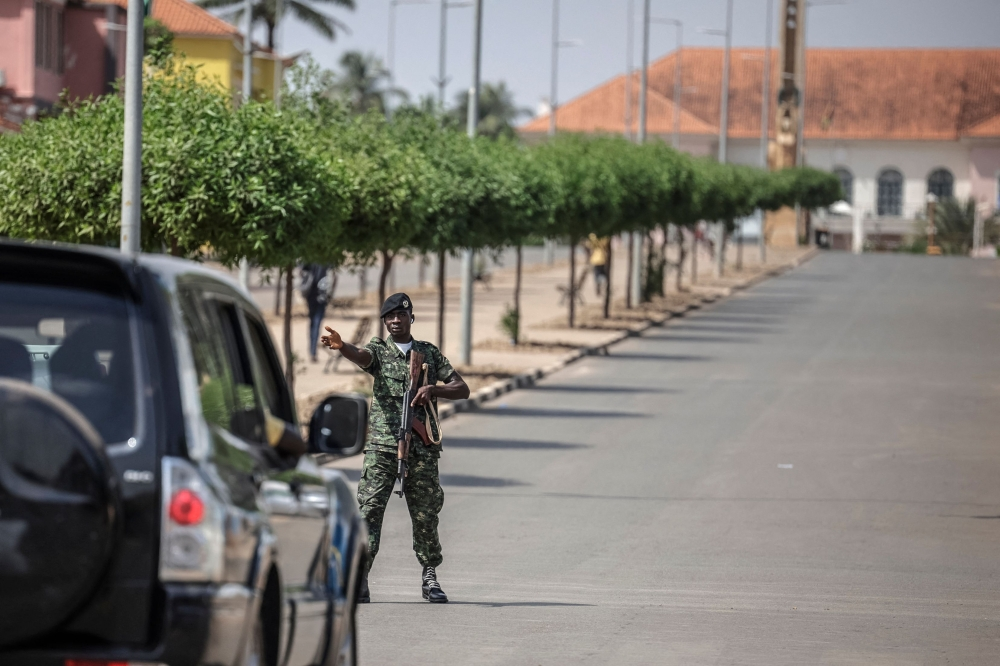
In a dramatic turn of events, a group of military officers in Guinea-Bissau announced they had seized full control of the country after heavy gunfire was heard near the presidential palace in the capital, Bissau. The military command issued a statement on national radio confirming the suspension of the ongoing electoral process and the closure of all land, air, and sea borders until further notice, plunging the West African nation into a deep political crisis.
This military move comes at a sensitive political time, as the country awaited the results of the first round of the recent presidential and parliamentary elections. Soldiers in military uniform took control of the main roads leading to the presidential palace and key government institutions, sparking concern and apprehension among the local population and international observers monitoring the country's fragile democratic transition.
A history marked by coups and instability
This coup is not an isolated event in the history of Guinea-Bissau. Since gaining independence from Portugal in 1974, this small nation has suffered from chronic political instability. The country has experienced a series of military coups and failed coup attempts, as well as political assassinations targeting high-ranking figures, including presidents. This turbulent history has made the military a major and influential player in the political landscape, frequently intervening in government affairs and positioning itself as the protector of the state in times of crisis.
The situation has been exacerbated by immense economic challenges and widespread poverty, as well as the country's transformation into a major transit point for drug trafficking, particularly cocaine from Latin America destined for Europe. This has led to the infiltration of organized crime networks and their influence over certain sectors of the state and the military, earning it the reputation of a "narco-state" in some international reports and further complicating the political and security landscape.
Regional and international repercussions
This power grab is expected to draw widespread condemnation from the international community. Regional bodies, such as the Economic Community of West African States (ECOWAS), typically take a firm stance against unconstitutional changes of government and may impose economic and diplomatic sanctions on Guinea-Bissau to pressure for a swift return to democracy. Statements from the United Nations, the African Union, and the European Union are also expected, condemning the military action and calling for respect for the rule of law and the release of any detained political figures.
This coup further complicates the security and political landscape in West Africa, a region that has witnessed a wave of military coups in recent years in countries such as Mali, Burkina Faso, and Niger, raising serious concerns about the erosion of democracy in Africa’s “coup belt.” The future of Guinea-Bissau remains uncertain, as its people once again face uncertainty about their political and economic future, while the world awaits the next steps of the new military leadership.