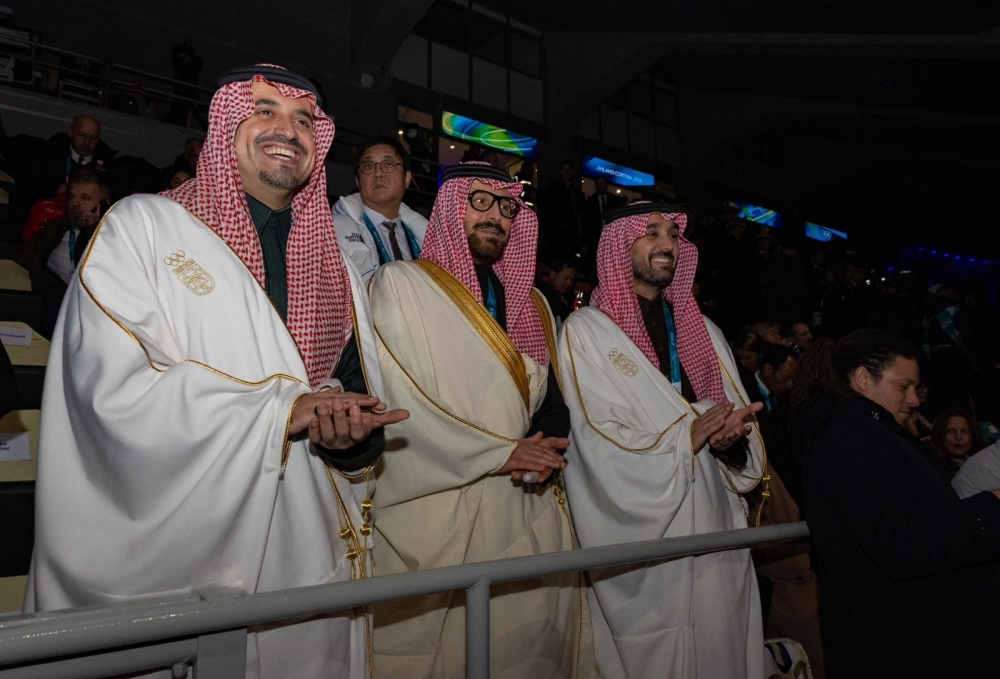
The world's attention is turning to Italy as preparations intensify for hosting the 25th Winter Olympic Games (Milan Cortina 2026), the global sporting event expected to bring together elite athletes from February 6 to 22, 2026. This event marks the return of the Winter Olympic flame to Italy 20 years after its successful hosting in Turin in 2006, reinforcing its position as a major destination for winter sports.
Historical background and general context
Italy boasts a rich Olympic heritage, having hosted the Winter Games twice before: first in Cortina d'Ampezzo in 1956, and then in Turin in 2006. The 2026 edition will be the third, and the first to be co-hosted by two cities, Milan and Cortina. This reflects a new vision for the Olympic Movement focused on sustainability and leveraging existing and temporary infrastructure to minimize costs and environmental impact. The Milan-Cortina bid was selected in 2019 during the 134th IOC Session in Lausanne, Switzerland, beating out Stockholm-Åre, Sweden, thanks to its innovative plan spanning northern Italy.
The importance of the event and its expected impact
The 2026 Olympics are expected to have a significant economic and cultural impact on Italy, particularly in the Lombardy and Veneto regions. The event is anticipated to boost tourism, create jobs, and stimulate investment in sports and transportation infrastructure. Internationally, this edition holds special significance as the first to fully commit to the reforms of the 2020 Olympic Agenda, which promotes resilience and sustainability. Thousands of athletes from over 90 National Olympic Committees will compete in 16 different winter sports, making it a global platform for cultural exchange and sportsmanship.
International participation and Saudi ambitions
Participating in the Olympic Games is a dream for every athlete, reflecting the growing presence of nations from around the world, including those with warm climates. In this context, Saudi Arabia has emerged as a rising sporting power with ambitious goals in winter sports, in line with its Vision 2030. The Kingdom's winning bid to host the 2029 Asian Winter Games in the futuristic city of Trogina is a testament to this trend. The 2026 Olympics are expected to see a prominent Saudi presence, not only in terms of potential athletic participation but also at the administrative and diplomatic levels, led by key figures in the sporting world such as His Royal Highness Prince Abdulaziz bin Turki Al-Faisal, Minister of Sport and President of the Saudi Olympic and Paralympic Committee, who plays a pivotal role in enhancing the Kingdom's standing on the international sporting stage and strengthening ties with the International Olympic Committee.