مرحلة جديدة من العمل البيئي الإقليمي
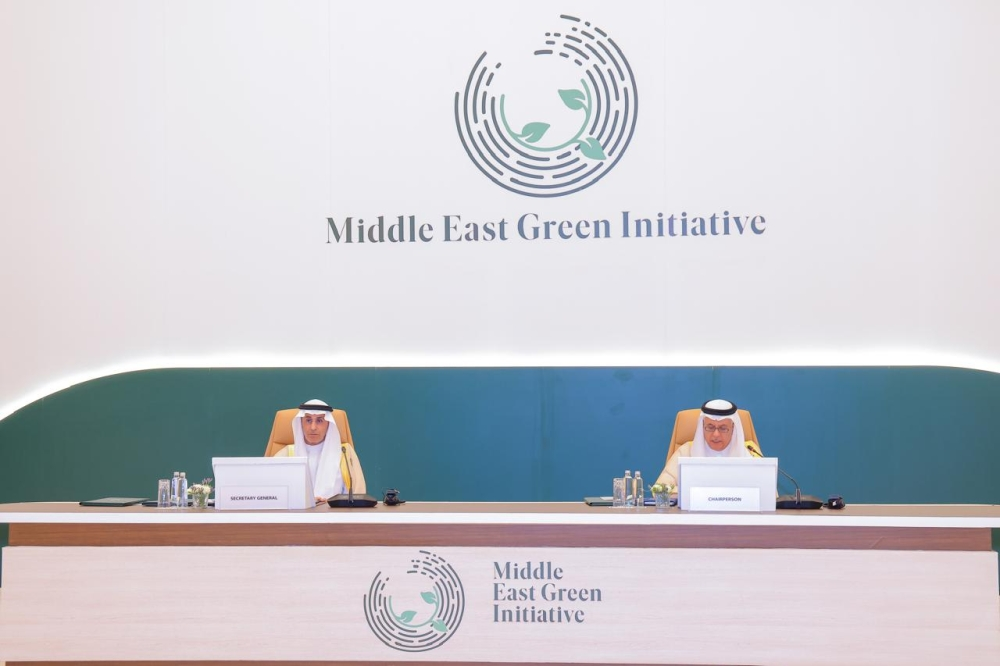
أعلن معالي وزير البيئة والمياه والزراعة، المهندس عبد الرحمن الفضلي، الذي يترأس الدورة الحالية للمجلس الوزاري لمبادرة الشرق الأوسط الأخضر، عن تحقيق إنجاز تاريخي تمثل في تجاوز إجمالي التزامات الدول الأعضاء لزراعة 22 مليار شجرة. جاء هذا الإعلان عقب الاجتماع الوزاري الثاني للمبادرة الذي استضافته مدينة جدة، مؤكداً أن المبادرة قد انتقلت بنجاح من مرحلتها التأسيسية إلى مرحلة التنفيذ الفعلي على أرض الواقع، لتمثل نقطة تحول جوهرية في مسيرة العمل البيئي المشترك في المنطقة.
السياق العام: لماذا مبادرة الشرق الأوسط الأخضر؟
تأتي هذه المبادرة الطموحة، التي أطلقها صاحب السمو الملكي الأمير محمد بن سلمان بن عبد العزيز، ولي العهد رئيس مجلس الوزراء، في عام 2021، كاستجابة استراتيجية للتحديات البيئية والمناخية الملحة التي تواجه منطقة الشرق الأوسط وشمال أفريقيا. تُصنف المنطقة كواحدة من أكثر مناطق العالم تأثراً بظاهرة التغير المناخي، حيث تعاني من ارتفاع درجات الحرارة، وشح المياه الحاد، وتزايد وتيرة التصحر والعواصف الرملية والترابية، وهي تحديات تهدد الأمن الغذائي والمائي، والصحة العامة، والاستقرار الاقتصادي. تهدف المبادرة إلى توحيد الجهود الإقليمية لمواجهة هذه المخاطر عبر خارطة طريق واضحة وطموحة لإعادة تأهيل النظم البيئية وتعزيز الاستدامة.
حوكمة فعالة وتوسع دولي متنامٍ
أوضح الوزير الفضلي أن اجتماع جدة شهد التوافق على إطار حوكمة واضح لإدارة وتنفيذ مشاريع المبادرة، مما يعزز فاعلية العمل المؤسسي ويضمن تحقيق الأهداف المرسومة. وأشار إلى أن الثقة الدولية المتزايدة في المبادرة انعكست في ارتفاع عدد الدول الأعضاء من 18 دولة عند انطلاقها إلى 34 دولة حالياً، بعد انضمام كل من غانا وسيراليون وسريلانكا وسوريا، وهو ما يبرهن على الإدراك العالمي لأهمية هذا الجهد الإقليمي. بالإضافة إلى زراعة الأشجار، تستهدف المبادرة إعادة تأهيل نحو 90 مليون هكتار من الأراضي المتدهورة، مما يساهم في استعادة التنوع البيولوجي وتعزيز قدرة المنطقة على التكيف مع التغيرات المناخية.
الأهمية والتأثير المتوقع للمبادرة
تتجاوز أهمية مبادرة الشرق الأوسط الأخضر مجرد زراعة الأشجار؛ فهي تمثل أكبر برنامج تشجير في العالم. على المستوى الإقليمي، ستساهم هذه الجهود في خفض درجات الحرارة، وتحسين جودة الهواء عبر امتصاص ملايين الأطنان من ثاني أكسيد الكربون، ومكافحة التصحر وتدهور الأراضي. اقتصادياً، من المتوقع أن تخلق المبادرة فرص عمل جديدة في قطاعات الاقتصاد الأخضر مثل التشجير المستدام، وإدارة الموارد المائية، والطاقة المتجددة. أما على الصعيد الدولي، فتمثل المبادرة مساهمة كبيرة من المنطقة في تحقيق أهداف اتفاق باريس للمناخ وأهداف الأمم المتحدة للتنمية المستدامة، وتبعث برسالة قوية مفادها أن دول المنطقة، بما فيها كبرى الدول المنتجة للطاقة، ملتزمة بالتحول نحو مستقبل أكثر استدامة.
دور المملكة الريادي وجهودها الوطنية
تأتي هذه المبادرة الإقليمية امتداداً لجهود المملكة العربية السعودية على الصعيد الوطني، والتي تتبلور في “مبادرة السعودية الخضراء”. وقد حققت المملكة بالفعل خطوات ملموسة، حيث تمت زراعة أكثر من 151 مليون شجرة باستخدام مصادر مياه متجددة، وتضاعفت مساحة المحميات الطبيعية لتتجاوز 18% من إجمالي مساحة المملكة، مع طموح للوصول إلى 30% بحلول عام 2030. وتعكس هذه الجهود التزام المملكة العميق بقيادة التحول البيئي في المنطقة، وتقديم نموذج يحتذى به في تحقيق التوازن بين النمو الاقتصادي وحماية البيئة.