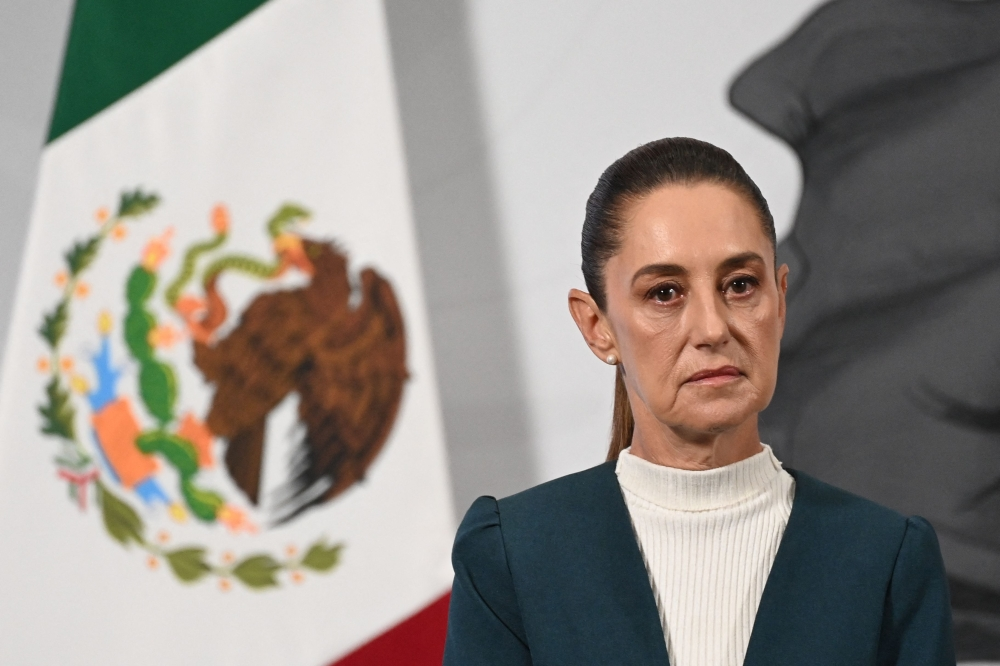
أعربت رئيسة المكسيك، كلاوديا شينباوم، عن قلقها العميق يوم الجمعة، محذرة من أن التهديدات التي أطلقها الرئيس الأمريكي دونالد ترامب بفرض رسوم جمركية عقابية على الدول التي تزود كوبا بالنفط، قد تؤدي إلى تفاقم الأوضاع الإنسانية في الجزيرة الكاريبية. جاء هذا التحذير بعد يوم واحد من توقيع ترامب أمراً تنفيذياً يمهد الطريق لفرض هذه الرسوم، في خطوة تصعيدية جديدة ضد هافانا.
وفي تصريحاتها، شددت شينباوم على أن “تنفيذ هذا التهديد قد يطلق أزمة إنسانية واسعة النطاق، تؤثر بشكل مباشر على المستشفيات وإمدادات الغذاء وخدمات أساسية أخرى للشعب الكوبي”. وأضافت أن المكسيك تتابع الموقف عن كثب، مؤكدة على موقف بلادها الداعم لحل النزاعات عبر الحوار والدبلوماسية، وليس من خلال الإجراءات القسرية التي تضر بالمدنيين.
خلفية تاريخية: الحصار الأمريكي على كوبا
تأتي هذه الخطوة الأمريكية في سياق تاريخ طويل من التوتر بين واشنطن وهافانا، يعود إلى ما بعد الثورة الكوبية عام 1959. فرضت الولايات المتحدة حصاراً اقتصادياً وتجارياً ومالياً شاملاً على كوبا منذ أوائل الستينيات، بهدف الضغط على الحكومة الشيوعية. وقد تم تشديد هذا الحصار على مر العقود من خلال تشريعات مثل قانون هيلمز-بيرتون لعام 1996، الذي وسّع نطاق الحصار ليشمل الشركات الأجنبية التي تتعامل مع كوبا.
يعتمد الاقتصاد الكوبي بشكل كبير على واردات النفط لتوليد الكهرباء وتشغيل وسائل النقل والصناعة. وأي تعطيل لهذه الإمدادات الحيوية سيكون له تأثير فوري ومدمر على الحياة اليومية للمواطنين، مما يفاقم الأزمات القائمة بالفعل والمتعلقة بنقص الغذاء والدواء والسلع الأساسية.
الأمر التنفيذي وتداعياته المحتملة
ينص الأمر التنفيذي الذي وقعه ترامب يوم الخميس بوضوح على أنه “قد تفرض رسوم إضافية على واردات سلع الدول الأجنبية التي تبيع أو تزود كوبا بالنفط بشكل مباشر أو غير مباشر”. هذا الإجراء لا يستهدف كوبا فقط، بل يمثل ضغطاً مباشراً على شركائها التجاريين، مثل المكسيك وفنزويلا وروسيا، التي تعتبر من الموردين الرئيسيين للنفط إلى الجزيرة.
من المتوقع أن يثير هذا القرار توترات دبلوماسية واسعة. فمن جهة، تعتبره دول أمريكا اللاتينية تدخلاً في سيادتها وحقها في إقامة علاقات تجارية مع من تشاء. ومن جهة أخرى، يراه محللون جزءاً من استراتيجية سياسية لإدارة ترامب تهدف إلى كسب أصوات الجالية الكوبية الأمريكية في الولايات الحاسمة مثل فلوريدا، خاصة مع اقتراب الانتخابات الرئاسية. إن عزل كوبا بشكل أكبر قد يؤدي إلى موجات جديدة من الهجرة غير الشرعية في المنطقة، مما يضيف تحدياً آخر لدول الجوار، بما في ذلك المكسيك والولايات المتحدة نفسها.