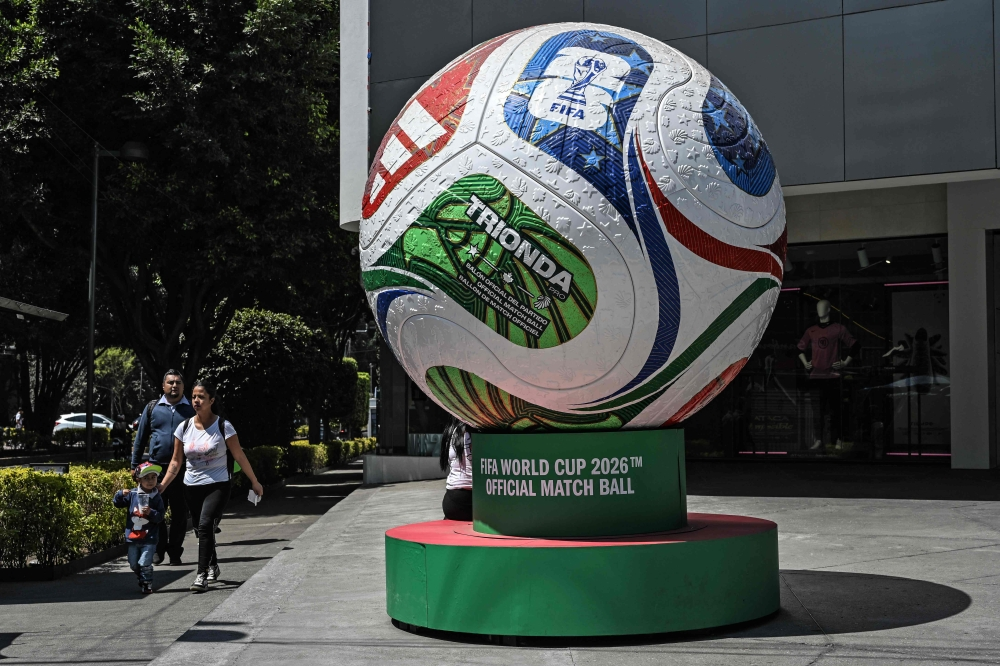
Mexican authorities have officially announced an unprecedented security plan to secure the 2026 World Cup , in preparation for hosting the world's biggest football event in partnership with the United States and Canada. The plan involves deploying approximately 100,000 security personnel to ensure the safety of delegations and fans in the host cities.
Details of security deployment and logistical preparations
In detailing the announcement, General Roman Villalovaso Barrios, head of the government coordination center responsible for World Cup security, explained that the operation would be one of the largest security operations in the country's history. The manpower would include the deployment of 20,000 military personnel, including specially trained National Guard members, in addition to 55,000 federal and local police officers. To reinforce these efforts, thousands of personnel from accredited private security companies would be employed to cover all potential security gaps in and around the stadiums.
The challenges of securing the 2026 World Cup and Mexico's historical legacy
Securing the 2026 World Cup is of particular importance given Mexico's historical standing in the world of football. It will become the first country to host the finals for the third time, following the 1970 and 1986 editions, which saw the crowning of legends like Pelé and Maradona. However, the challenges are different for the upcoming tournament, as the Mexican government strives to change the stereotypical image regarding security in some areas and send a reassuring message to the international community that Mexico is capable of organizing a safe, world-class event, especially with the expected influx of millions of visitors.
Regional cooperation and expected economic impact
The importance of the event extends far beyond the sporting aspect, encompassing profound economic and political dimensions. Successfully securing the three host cities (Mexico City, Guadalajara, and Monterrey) is essential for realizing the anticipated economic returns from tourism and investment. This extensive security deployment also reflects a high level of regional coordination with partners in North America (the United States and Canada) to ensure smooth border crossings and standardized security protocols. Mexico is scheduled to host 13 matches, most notably the opening match on June 11 at the historic Azteca Stadium, placing the efficiency of its security forces under global scrutiny from the very first day of the tournament.