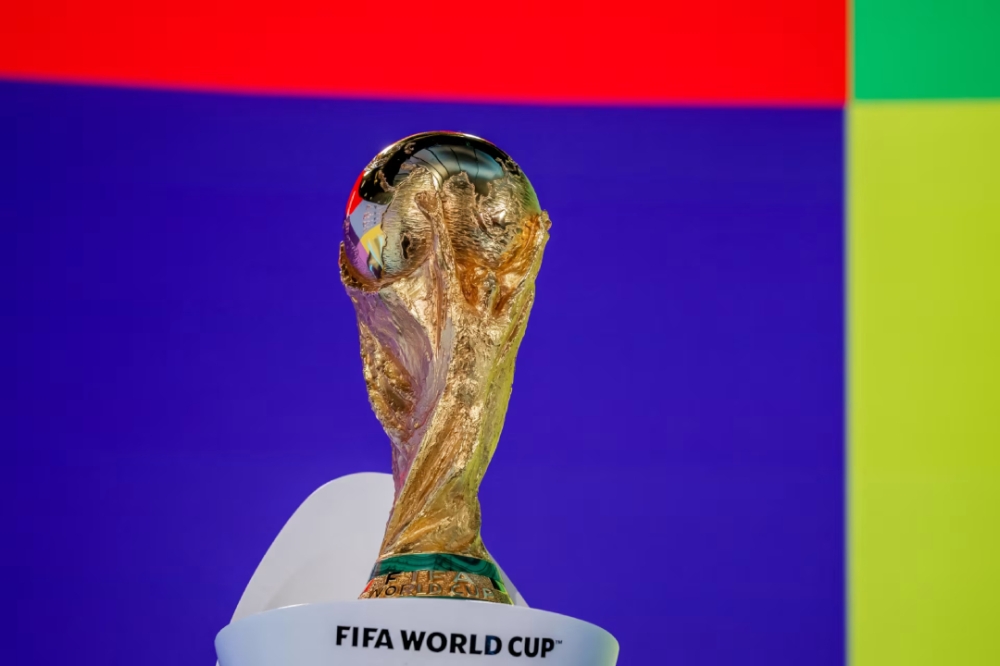
extended by the King of Spain to attend the 2026 World Cup has recently dominated the political and diplomatic scene. Mexican President Claudia Sheinbaum sent an official letter to King Felipe VI inviting him to attend the FIFA World Cup, some of whose matches Mexico is scheduled to host next summer. The Royal Palace in Madrid announced this in an official statement released on Wednesday, noting that the King received the personal invitation with great pleasure and interest.
The implications of the Spanish king's invitation amid diplomatic tensions
The invitation from the King of Spain comes at a highly sensitive time, following unprecedented remarks made by King Felipe VI last Monday. The Spanish monarch acknowledged “numerous abuses” during the Spanish conquest of the Americas in the 16th century, despite also mentioning the “protective intentions” expressed by the Catholic monarchs towards the indigenous populations. This sensitive issue has long been a source of diplomatic tension between Spain and several Latin American countries, most notably Mexico. In her letter to the King, Sheinbaum emphasized that hosting the 2026 World Cup presents a fitting opportunity to highlight the depth and unique nature of the ties between Mexico and Spain, stressing that these bilateral relations have been forged by a historical brotherhood and reinforced by a shared heritage of language, culture, and collective memory.
Roots of the conflict: The legacy of the colonial era in the Americas
To understand the broader context of these developments, we must return to the colonial era, which left a profound mark on the collective memory of the peoples of Latin America. In 1519, the Spanish conquistador Hernán Cortés arrived in Mesoamerica, encompassing vast swathes of present-day Mexico and Central America, with hundreds of soldiers. This region was teeming with life, boasting an estimated population of 15 to 30 million. With the arrival of the Spanish, armed with advanced weapons such as swords and guns, and bringing with them infectious diseases like smallpox, the region underwent catastrophic demographic shifts. After a century of wars, massacres, and epidemics, the indigenous population dwindled dramatically to between one and two million. This heavy legacy led former Mexican President Andrés Manuel López Obrador in 2019 to send an official letter to Madrid demanding an apology from the Spanish Crown for these atrocities—a demand that current President Claudia Sheinbaum has forcefully reiterated.
The expected impact of Mexican-Spanish rapprochement through sports
This diplomatic move—using a global sporting event to ease tensions—is significant on multiple levels. Domestically, it reflects the new Mexican leadership's desire to move past past grievances without abandoning historical claims, thus enhancing the government's image among its people as a force for peace and the recognition of rights. Regionally, it may encourage other Latin American countries to adopt a similar approach, combining the demand for a historical apology with the maintenance of strong bilateral relations with Spain. Internationally, the normalization of relations between Mexico and Madrid strengthens the stability of alliances between Europe and Latin America. Signs of this rapprochement emerged when Spanish Foreign Minister José Manuel Álvarez acknowledged the "pain and injustice" inflicted on indigenous peoples, which Mexico considered a positive first step. Spanish Prime Minister Pedro Sánchez also affirmed that normalizing bilateral relations is a top priority for his government, making the 2026 World Cup an international platform for fostering solidarity, empathy, and a shared humanitarian vision among nations.