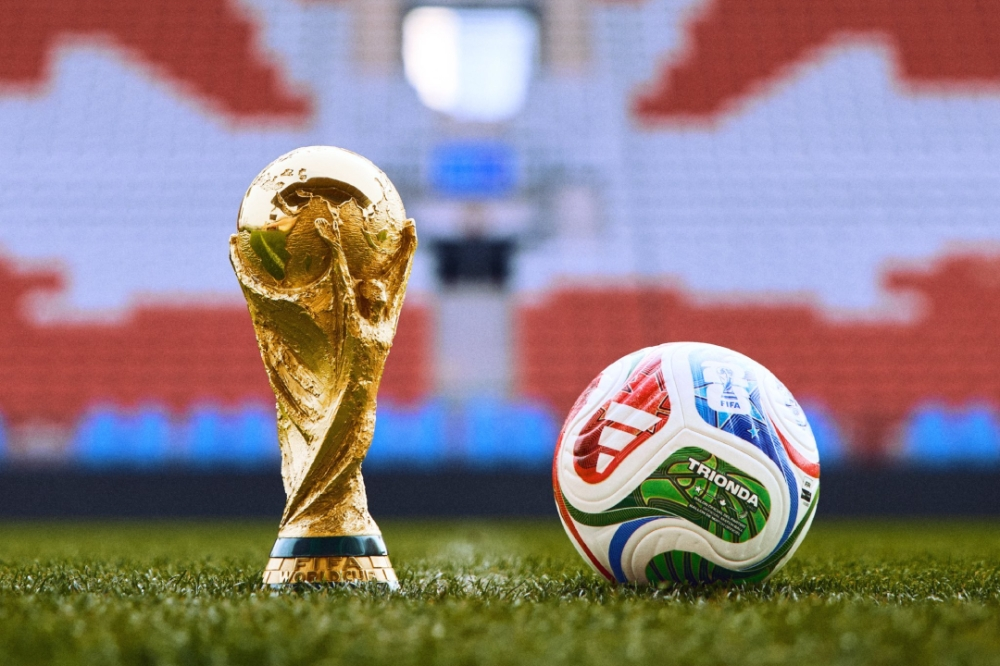
The recent surge in violence in Mexico, linked to clashes between authorities and powerful drug cartels, is raising growing concerns about the country's readiness and ability to secure the 2026 FIFA World Cup , the world's largest sporting event, which it is scheduled to co-host with the United States and Canada. These concerns follow security operations targeting major cartel infrastructure, which have triggered violent reactions that have disrupted daily life in several states.
General context and historical background
Mexico has struggled for decades with security challenges linked to organized crime, specifically drug cartels. The so-called “war on drugs” officially began in 2006, and despite ongoing government efforts, the conflict has led to the disintegration of some older cartels and the emergence of newer, more violent groups, such as the Jalisco New Generation Cartel (CJNG) . These groups are known for launching violent and coordinated attacks against security forces and rivals, as well as widespread acts of intimidation such as blocking highways and burning vehicles and commercial buildings, as has recently occurred in response to security operations targeting their leaders.
Impact of recent events on World Cup preparations
Recent security disturbances have brought some cities to a near standstill, with authorities urging residents and tourists to stay indoors and airlines canceling flights. Adding to the complexity of the situation is the fact that Guadalajara , a major stronghold of the Jalisco Cartel, is one of the three Mexican cities hosting the World Cup, along with Mexico City and Monterrey. Security concerns have already led to the postponement of Mexican league matches scheduled near World Cup stadiums, raising serious questions about the ability to secure a global event of this scale that attracts hundreds of thousands of fans from around the world.
Importance and expected effects
Domestically, hosting the World Cup represents a tremendous economic opportunity for Mexico and a symbol of national pride. Any failure to provide a safe environment could damage the country's international reputation and negatively impact its tourism and investment sectors. Internationally, FIFA and the participating federations are closely monitoring the situation. The safety of players, officials, and fans is a top priority, and continued tensions could lead to pressure to move Mexico's matches to other cities in the United States or Canada—a scenario with potentially significant negative repercussions. With less than four years until the tournament kicks off, Mexican organizers face the daunting challenge of demonstrating their ability to control the security situation and provide credible assurances to the world.