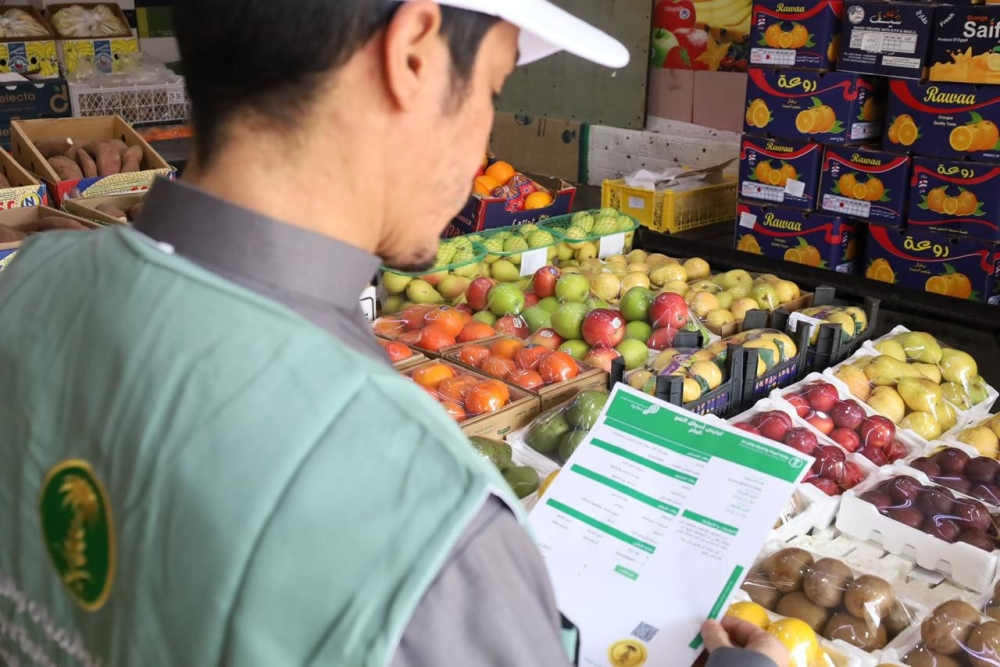
The Saudi Ministry of Environment, Water and Agriculture announced it has intensified its monitoring efforts in preparation for the holy month of Ramadan. Its field teams conducted a comprehensive inspection campaign covering public markets and slaughterhouses across the Kingdom. The campaign, which took place during the second week of February, resulted in 17,948 inspection visits aimed at ensuring food safety, adherence to the highest quality standards, and compliance with regulations.
The importance of food safety during religious seasons
These monitoring campaigns are particularly important as Ramadan approaches, a month that witnesses a significant shift in consumption patterns and a substantial increase in demand for food products, especially meat, vegetables, and fruits. These government efforts are a proactive step to ensure the stability of food supplies, protect consumers from unfair business practices, and prevent the circulation of any products that may pose a risk to public health. These measures are part of a comprehensive system aimed at enhancing food security and improving the quality of life in the Kingdom, in line with the objectives of Vision 2030.
Results of the monitoring campaign in numbers
The ministry revealed details of the campaign's results, which involved 494 enforcement officers, and included:
- Visits and warnings: 2,896 violations and warnings were recorded against establishments that do not comply with health and regulatory standards.
- Confiscated food items: More than 58.5 thousand kilograms of vegetables, fruits, meat, poultry and fish that did not meet approved standards were seized and destroyed.
- Inspection of slaughtered animals: The total number of animals slaughtered in the official slaughterhouses during the campaign period amounted to 111,322 heads of sheep, cows and camels, with confirmation of their safety for human consumption.
- Agricultural product testing: Pesticide residue tests were carried out on 1,482 samples of agricultural products to ensure they were free of any harmful substances.
The impact of the campaign at the local and international levels
The impact of these campaigns extends beyond the local level, reaching the large numbers of visitors and pilgrims who flock to the Kingdom during Ramadan. Ensuring food safety in Saudi markets reflects positively on the Kingdom's ability to manage major seasons and provide a healthy and safe environment for pilgrims. Domestically, these efforts contribute to building consumer confidence in available products and support compliant suppliers and producers, thus enhancing the sustainability of the food sector.
Promoting awareness and healthy practices
In addition to its regulatory role, the ministry explained that the campaign included 368 awareness and educational initiatives to promote healthy practices among consumers and service providers in markets and slaughterhouses. Thirty-one food preservation associations also participated in the campaign, underscoring the ministry's integrated approach that combines oversight, awareness, and social responsibility to reduce food waste.