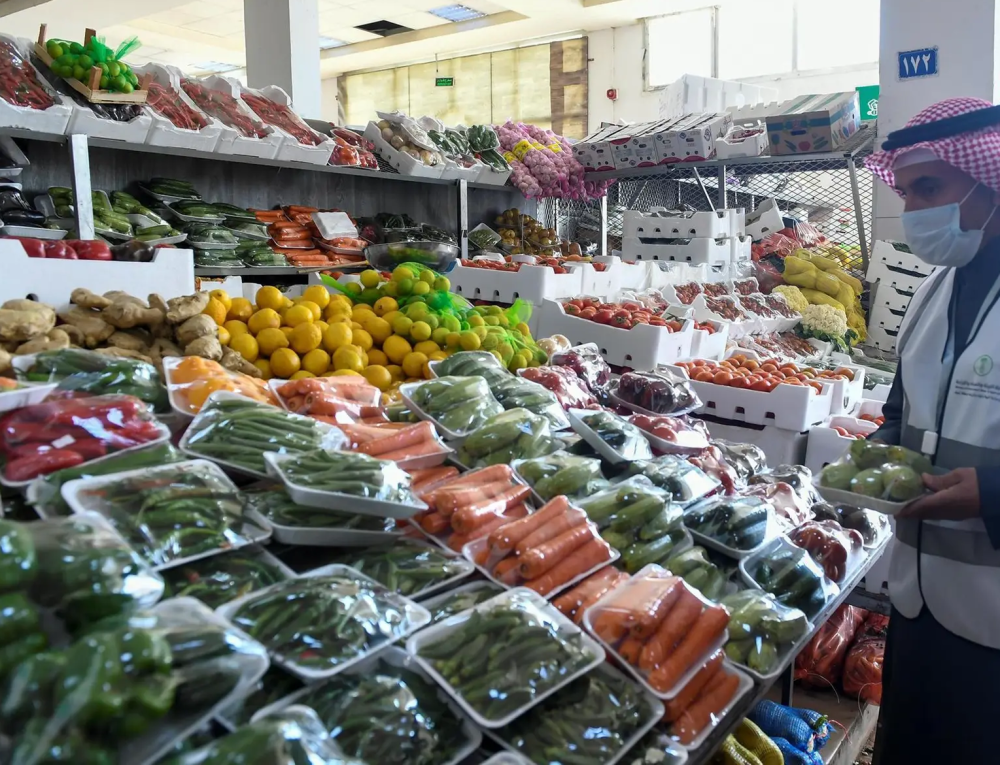
The Saudi Ministry of Environment, Water and Agriculture announced the launch of a comprehensive and intensive inspection campaign entitled “Market and Slaughterhouse Readiness for Ramadan,” as part of its preparations for the holy month. The campaign included 6,281 inspection visits to public markets and slaughterhouses across the Kingdom, aiming to ensure the highest levels of food safety and enhance the operational efficiency of facilities to meet the increased demand during this season.
Background and importance of seasonal monitoring
These inspection campaigns are particularly important as the holy month of Ramadan approaches, a time that witnesses a noticeable shift in consumption patterns and a significant increase in demand for food products, especially meat, vegetables, fruits, and dates. These efforts are part of the Ministry's pivotal role in protecting the public health of citizens and residents, ensuring that all establishments adhere to health and regulatory requirements and implement best practices in the handling, storage, and display of food. Historically, government agencies in the Kingdom have intensified their oversight activities during religious and social seasons to guarantee market stability and protect consumers from harmful practices.
Campaign results and its direct impact
Field inspections, involving 428 inspectors, resulted in the detection of 1,475 violations and warnings issued to establishments that failed to comply with approved standards. In a decisive step to protect consumers, the inspection teams destroyed large quantities of unfit food, including 19,936 kilograms of vegetables, fruits, and dates; 1,605 kilograms of meat and poultry; and 727 kilograms of fish. These measures not only prevent spoiled food from reaching consumers but also act as a deterrent to violators and enhance public confidence in the local food supply chain.
Veterinary procedures and thorough laboratory tests
Regarding slaughterhouses, the campaign report showed that a total of 111,322 sheep, cattle, and camels were slaughtered. In accordance with established veterinary procedures, 970 cases of complete condemnation of carcasses unfit for consumption and 10,041 cases of partial condemnation were recorded. Oversight also extended to the inspection of agricultural products, with 663 samples analyzed to ensure they were free of pesticide residues. Of these, 658 samples met specifications, while 5 non-compliant samples were dealt with according to applicable regulations.
Supporting sustainability and reducing food waste
The campaign was not limited to oversight; it also encompassed a significant social and environmental dimension, aligning with the goals of the Kingdom's Vision 2030. Twenty-three specialized food preservation associations participated, contributing to the utilization of 16,189 kilograms of food fit for consumption. This reflects a strong commitment to supporting sustainability, reducing food waste, and promoting community engagement. The Ministry affirmed that these ongoing efforts aim to improve the quality of life and enhance food security in the Kingdom.