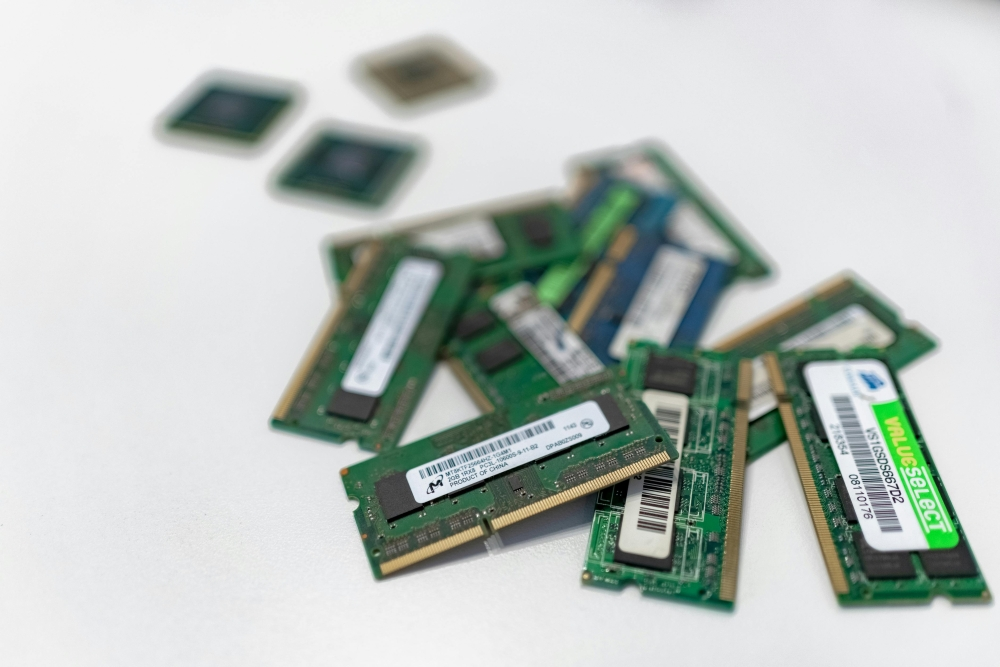
A violent shock in the global technology market
The global technology sector is experiencing a severe upheaval with the skyrocketing price of memory chips, which have surged by over 600% in the past few months. This unprecedented rise is creating a sharp market polarization, with semiconductor manufacturers reaping record profits while consumer electronics companies, such as those producing smartphones, computers, and gaming consoles, are facing immense pressure on their profit margins and production capacity. This crisis comes at a critical juncture, with no clear signs of abating, threatening far-reaching consequences for consumers and the global economy.
Background to the crisis: From post-pandemic recession to the AI boom
To understand the dimensions of the current crisis, we must examine the market's historical background. Following the surge in demand experienced by the electronics sector during the COVID-19 pandemic, the market entered a period of relative stagnation, prompting major manufacturers like Samsung and SK Hynix to reduce production to counter the decline in demand for phones and computers. However, this situation changed dramatically with the dawn of the generative artificial intelligence revolution. The frantic race to develop and deploy Large Language Models (LLMs) led to an unprecedented and massive demand for specialized, high-performance memory chips, most notably High Bandwidth Memory (HBM), a vital component of graphics processing units (GPUs) produced by companies like Nvidia. This sudden shift in demand created a significant imbalance between limited supply and explosive demand, resulting in soaring prices.
Expected impacts: From factory to consumer
The repercussions of this crisis extend across the entire value chain. At the local and regional levels, electronics manufacturers are facing significant challenges. Qualcomm, the mobile chip giant, has warned that memory supply constraints will limit its ability to meet demand for its processors, negatively impacting global smartphone production. Shares of major companies like Nintendo have also plummeted after they warned of pressure on profit margins. Internationally, these effects are expected to reach the end consumer in the form of higher prices for smartphones, laptops, new cars, and other electronic devices, or at least delays in the launch of new products. This situation also threatens to exacerbate global inflation, as electronics are a key component of the consumer basket in most economies.
Winners and losers in the eye of the storm
Amid these challenges, the clear winners are memory chip manufacturers. Shares of South Korea’s SK Hynix, a major supplier of HBM memory to Nvidia, have surged by more than 150%. Other companies, such as Samsung Electronics and Micron Technology, have also seen significant increases in their share prices. In contrast, device manufacturers are suffering losses, with the Bloomberg Consumer Electronics Index falling sharply, reflecting investor concerns about eroding profitability. Chinese electric vehicle companies like BYD and smartphone manufacturers like Xiaomi, which rely heavily on stable semiconductor supply chains, are also affected.