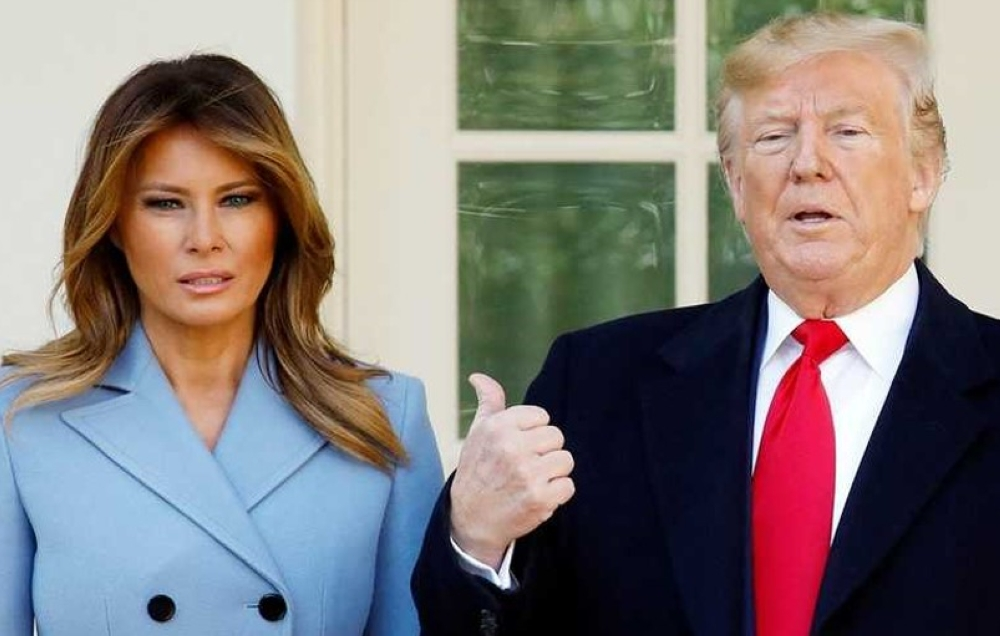
In a diplomatic first, the office of the US First Lady announced that Melania Trump will chair a meeting of the UN Security Council. This historic move makes her the first US First Lady to hold this high-profile position, placing her at the heart of global diplomacy and highlighting the evolving role of first ladies on the international stage.
According to the statement, this session coincides with the United States assuming the rotating presidency of the Security Council and aims to emphasize “the role of education in promoting the values of tolerance and global peace.” The meeting is scheduled to discuss key issues related to education and technology and their role in building bridges of peace and security between nations.
Background and historical context of the Security Council
The United Nations Security Council is one of the six principal organs of the organization and is primarily responsible for maintaining international peace and security. It consists of 15 members: five permanent members (China, France, Russia, the United Kingdom, and the United States) with veto power, and ten non-permanent members elected by the General Assembly for two-year terms. The presidency of the Council rotates monthly among member states in alphabetical order of their names in English. The presidency allows a country to shape the Council's agenda and highlight issues of particular importance to it.
The importance of the event and its expected impact
This session is significant because it departs from usual protocol, as Council meetings are typically chaired by heads of state or government, foreign ministers, or permanent representatives. The First Lady's presiding over this session, even symbolically for a single meeting, carries profound implications. Domestically, it is seen as an attempt by the US administration to project "soft power" and emphasize the humanitarian aspects of its foreign policy.
On the international level, this step could help draw global attention to the importance of issues often marginalized in security and political discussions, such as education and childcare. It could also pave the way for new and more effective roles for the spouses of world leaders in international organizations, enhancing their presence on issues of global impact. The session is expected to receive extensive media coverage, not only for its content but also for its symbolic significance as a unique event in the history of the United Nations.