A terrible toll at the start of the year
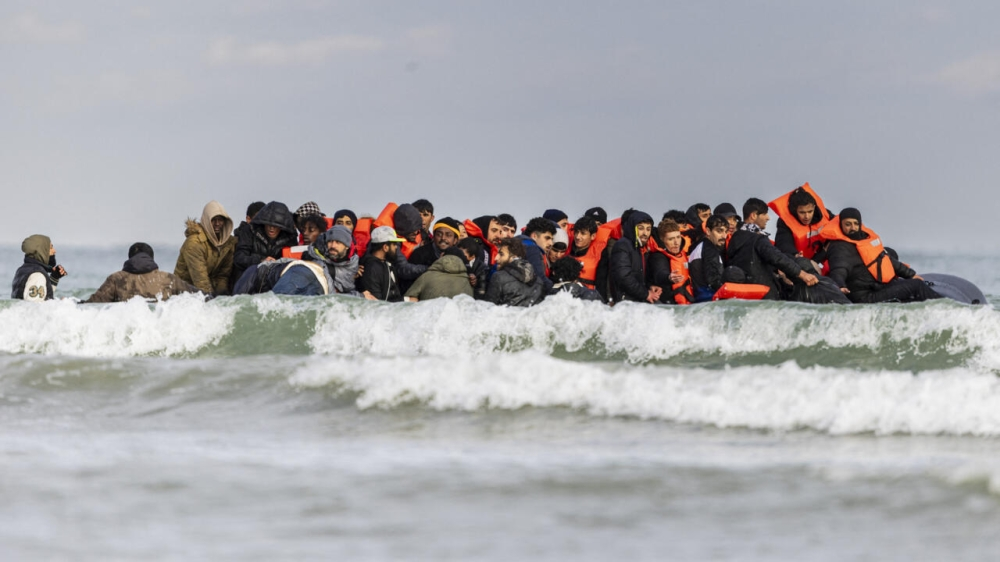
The United Nations' International Organization for Migration (IOM) has revealed shocking figures, announcing that at least 606 migrants have died or gone missing in the Mediterranean Sea since the beginning of 2024. The organization confirmed that this toll makes the first quarter of this year the deadliest period in terms of the number of victims since it began systematically documenting this data in 2014, sounding the alarm about the worsening humanitarian crisis on Europe's doorstep.
These tragic figures highlight the grave dangers faced by thousands of people forced to embark on perilous journeys in search of safety and a better life. In one of the most recent tragedies, a spokesperson for the organization reported the sinking of a boat off the coast of the Greek island of Crete. The boat, carrying migrants who had departed from the Libyan city of Tobruk, sank, leaving at least 30 people missing, including four children, mostly from Sudan and Egypt, who were attempting to reach Greece in rough weather conditions.
Historical context of an ongoing crisis
The Mediterranean migration crisis is not a recent phenomenon, but rather the culmination of decades of political instability, armed conflict, economic crises, and climate change across vast swathes of Africa and the Middle East. The Central Mediterranean route, linking Libya and Tunisia to Italy and Malta, is considered the world's most dangerous sea migration route. Since the International Organization for Migration's Missing Migrants Project was launched in 2014, more than 28,000 people have been recorded as missing or dead in the Mediterranean Sea—a figure experts believe is a significant undercount due to unreported drownings.
Instability in countries like Libya has turned their coasts into a major departure point for migrants, where human trafficking networks exploit the absence of state authority to organize perilous journeys on dilapidated boats ill-equipped to withstand the vicissitudes of the sea.
Regional and international importance and impacts
The repercussions of this humanitarian crisis extend far beyond the Mediterranean, casting a long shadow over the political and social landscape of Europe and the world. Regionally, the waves of migration are placing immense pressure on frontline states like Greece, Italy, and Spain, which bear the brunt of search and rescue operations and the reception of asylum seekers. Internationally, the crisis is fueling ongoing debate within the European Union regarding migration policies and the sharing of responsibility, leading to sharp political divisions.
Faced with these alarming figures, the International Organization for Migration (IOM) renewed its call for the international community to strengthen cooperation and intensify search and rescue efforts in the Mediterranean. It stressed the need to address the root causes of irregular migration, combat human trafficking networks, and, most importantly, provide safe and legal pathways for migration and asylum, as this is the only solution capable of saving lives and ending this ongoing tragedy.