In a proactive step aimed at strengthening the public health system and protecting the residents and visitors of the Holy City of Mecca, the National Center for Plant Pest and Animal Disease Prevention and Control (Wiqa’) in the Mecca region intensified its field efforts to combat disease vectors. These intensive campaigns resulted in the implementation of 2,800 surveillance operations and the treatment of more than 6,000 sites that are potential breeding grounds for insects, within the framework of establishing the “One Health” concept that links human, animal, and environmental health.
Background and importance of the fight against terrorism in Mecca
Disease vector control efforts in Mecca are of exceptional importance due to its religious significance and the millions of pilgrims and Umrah performers it receives annually from around the world. This massive human gathering makes the area a critical point requiring the highest levels of health preparedness to prevent any epidemic outbreak that could spread locally or globally. Historically, western regions of the Kingdom have faced challenges with mosquito-borne diseases, such as dengue fever, making the preventive measures implemented by the Weqaa Center a cornerstone of the national health security strategy.
Details of the operational plan for the “Wiqa” Center
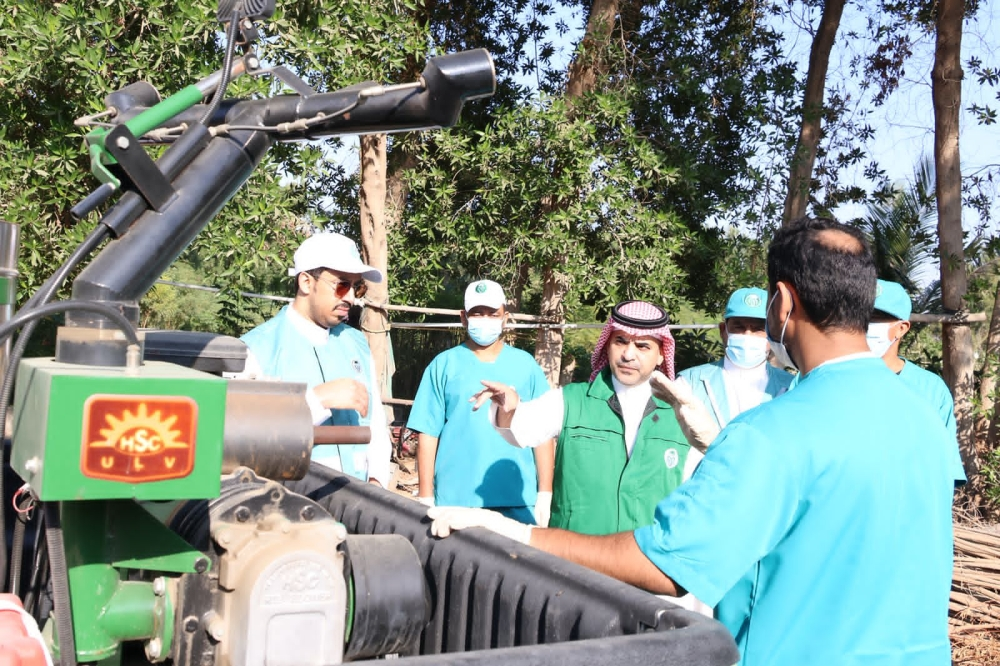
The center's animal health teams have begun implementing a comprehensive operational plan for field surveys and entomological and larval investigations, not only in Mecca but also in the governorates of Taif, Al-Qunfudhah, and Al-Khurmah. Efforts have focused particularly on high-risk sites that provide ideal breeding grounds for disease vectors, such as ponds, marshes, and stagnant water pools, especially those located outside urban areas.
These proactive operations aim to accurately identify the types of insects spreading, assess their level of epidemic risk, and take immediate measures to treat breeding sites before they worsen. Specialized teams rely on a diverse range of advanced control methods that combine biological, environmental, and chemical control to ensure the complete eradication of vectors in the safest and most effective way.
Local and international impact of preventive efforts
Domestically, these campaigns contribute to providing a safe and healthy environment for citizens and residents, and reduce the burden on the healthcare system by preventing diseases before they occur. Internationally, the success of these efforts enhances the Kingdom's position as a leading country in managing large crowds and gatherings, and underscores its commitment to global health standards set by organizations such as the World Health Organization.
Protecting pilgrims from health risks not only serves the Kingdom but also represents a vital contribution to global health security, preventing the transmission of any potential infections to pilgrims' home countries. These efforts align with the goals of Saudi Vision 2030, which prioritizes quality of life and public health.
On-site monitoring to ensure efficiency
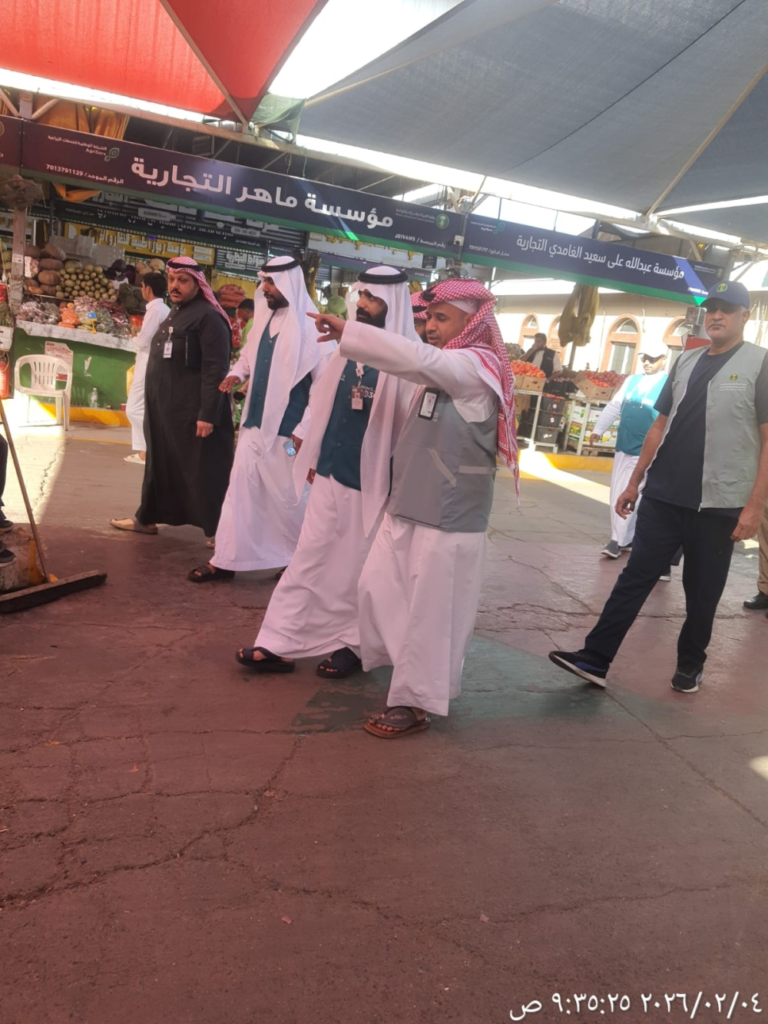
To ensure high-quality performance and achieve set goals, the Director General of the Center's branch in the Makkah region, Dr. Ghaleb Al-Saadi, conducted an inspection tour of the teams' work in Jeddah. He personally assessed the readiness of the disease vector control teams, emphasizing the necessity of executing tasks according to approved plans and the highest standards of efficiency. Through this ongoing monitoring, the Center's management aims to enhance the effectiveness of rapid response to any environmental emergency and solidify the implementation of the comprehensive "One Health" concept.